Open-sourcing of the MoonRay renderer
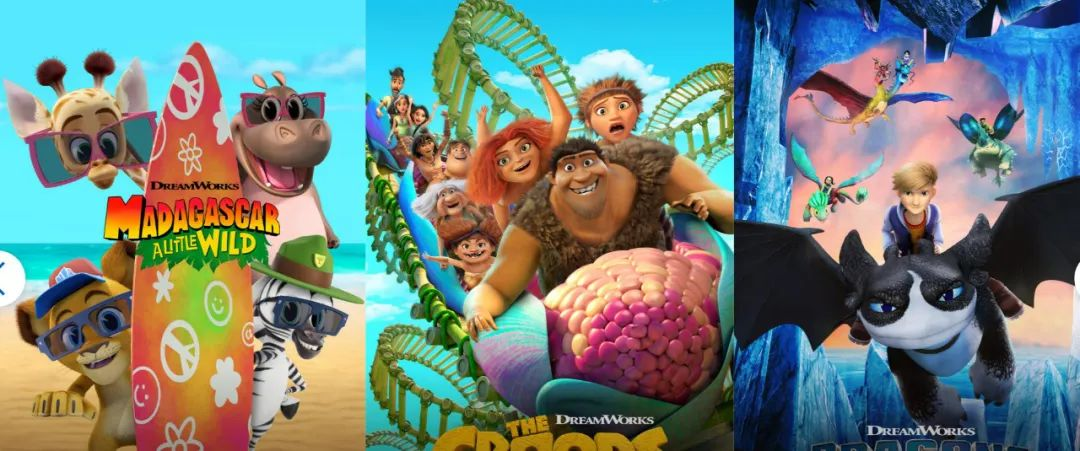
MoonRay is a ray tracing renderer, DreamWorks’s most advanced MCRT renderer. It has shaped a lot of classic animation such as “How to Train Your Dragon”, and recent releases like “The Bad Guys” and “Puss in Boots: The Last Wish”. Later this year, it will be released to the public with its distributed rendering framework Arras.
High-performance Monte Carlo ray tracer that renders output photo-level and stylized images
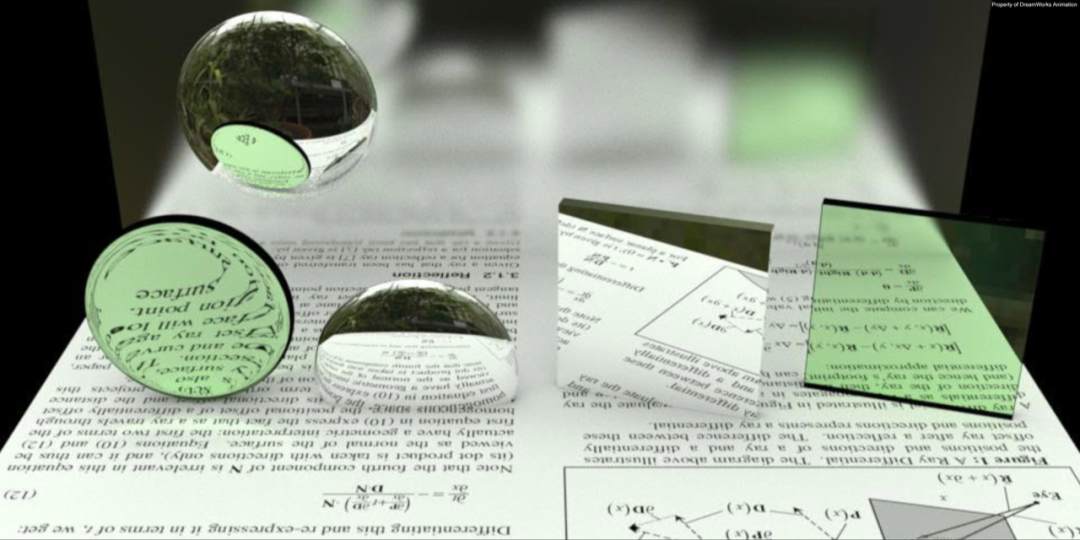
Although DreamWorks has provided its own internal technology to the public before it launched its open-source sparse volumetric data format OpenVDB in 2012, the MoonRay rendering device has long been the envy of the industry.
MoonRay is a high-performance Monte Carlo raytracer designed to replace Moonlight (Dreamworks’s old rasterized renderer). It was designed to keep “all vector channels for all cores of all machines always busy” and had a hybrid GPU / CPU rendering mode, capable of “100% output match” with CPU rendering.
In addition to DreamWorks’s iconic stylized animation, MoonRay renders hyper-realistic images and features major features of the VFX renderer, including AOV / LPE, depth output, and Cryptomatte. It also works very well in the standard production process, integrating with Maya and MotionBuilder and its own lighting tools.
MoonRay is built on a leading, highly scalable infrastructure without previous legacy code. Other high-performance features include support for distributed rendering, pixel-matching XPU mode, which improves performance by processing light on the GPU and CPU, ray processing through Intel Embree, leverage Intel ISPC compiled shader vectorization, and bundled path tracking.
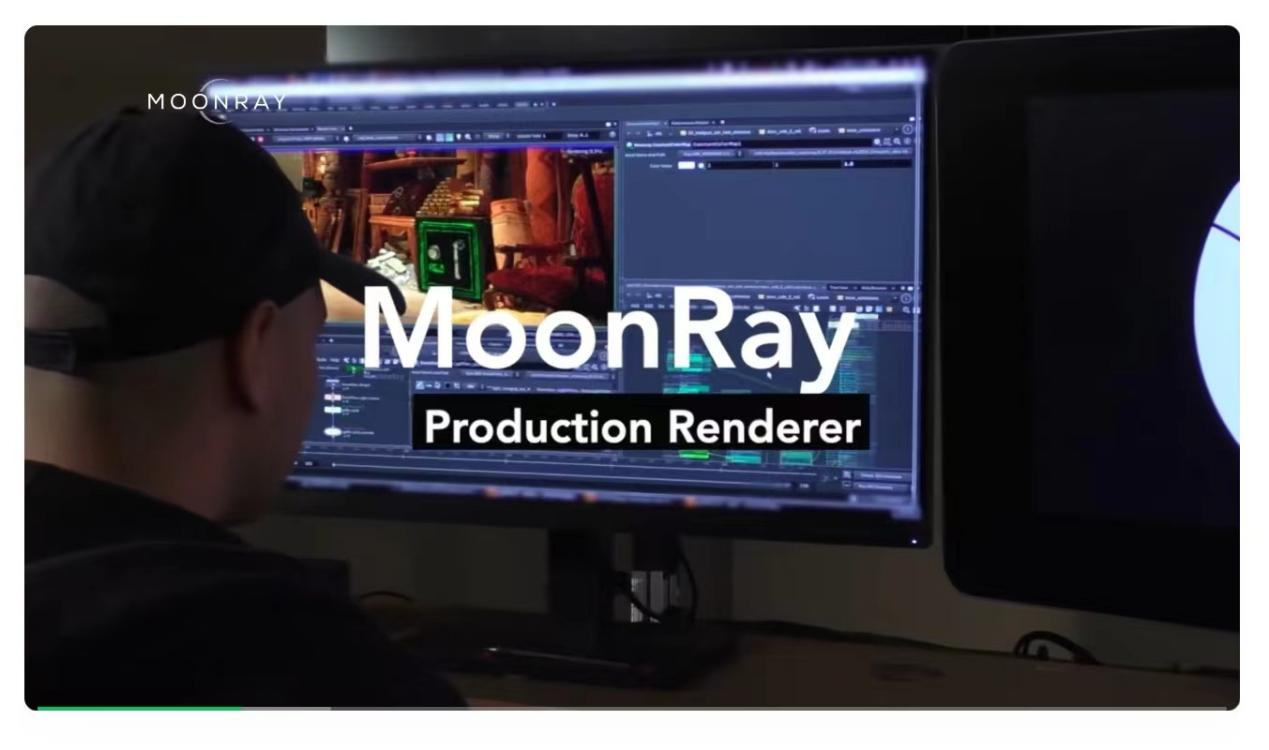
MoonRay also comes with a Hydra rendering agent, which enables you to become an interactive viewport renderer in DCC software that supports Hydra agents (such as Houdini and Katana).
In addition to the core renderer, DreamWorks is also an open-source product of its distributed computing framework, Arras.
In addition to the final quality output, it can also be used to accelerate interactive rendering and for up and down pipeline rendering during visual development to visualize multiple lighting or material variants in the lens and sequence.
Download link:
https://openmoonray.org/index
Official introduction:
https://openmoonray.org/MoonRayPressRelease.pdf
熱門頭條新聞
- 3rd NVIDIA DGX Spark Hackathon · Agent Skills Development Challenge
- Mai Shiranui arrives! Crystal of Atlan Launches the Fighter’s new class branch, Sugariff Alongside The King of Fighters ’98 collaboration character
- Crossing the Anime Frontier: Steam Anime Game Festival 2026 Kicks Off, Bringing Together Worldwide Anime-Style Games
- GATE ZERO FIGHTS TO PROTECT HISTORY IN FIRST COMBAT GAMEPLAY TRAILER – COMING TO STEAM AND CONSOLES SPRING 2027
- 78th Emmy Awards (Formerly Creative Arts Emmy Awards) Concludes, Honoring On-and-Behind-the-Camera Talents in Television
- Mr. RECORDS Brings the Beat to Nintendo Switch 2
- Blossom: The Seed of Life Goes Co-op with the “Together on Mars” Updated
- SlashZero Debuts New Story Trailer at PlayStation State of Play, Demo Available Now on PlayStation 5 and Steam