Nintendo Announces Broad Price Hikes, Legendary Producer Takashi Tezuka Retires, while Chip Shortage Continues to Drag on Sony’s PS5 Shipment Outlook
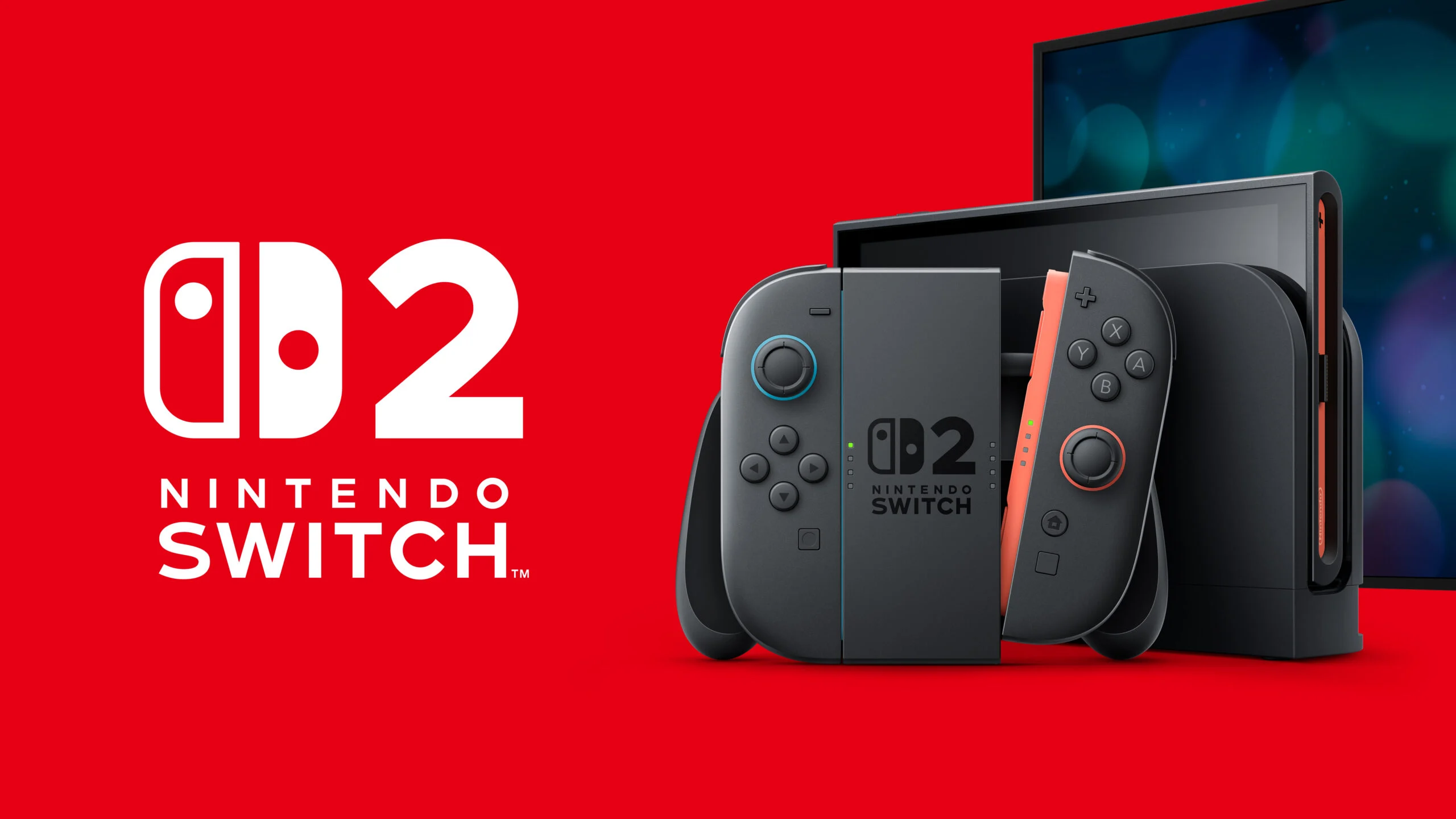
Two of the world’s leading console manufacturers, Nintendo and Sony, released their latest financial results, product pricing updates, and forward-looking guidance this Friday. Nintendo officially announced price adjustments for a total of 20 products including the Switch 2, while also revealing the retirement of legendary veteran producer Takashi Tezuka. Separately, due to a global shortage of memory chips, Sony has lowered its PS5 shipment forecast for the coming fiscal year, underscoring the widespread impact of rising hardware costs across the industry. Multiple factors — including AI’s increased demand for memory chip capacity and rising tariffs — have pushed the console industry into a new cycle of upward cost pressure.
1. Nintendo Implements Broad Price Hikes, Switch 2 Prices Rise in Multiple Countries
Nintendo has officially released its product price adjustment list, covering at least 20 product lines including consoles, membership services, and physical trading cards — the company’s largest-scale price revision in recent years. The increases will be implemented in different regions at different times, with clear guidelines:
Japan: Prices for multiple Switch and Switch 2 models will rise on May 25.
US, Canada, Europe: Price adjustments take effect on September 1, 2026.
In the US, the Switch 2 console price will increase from 449.99to449.99to499.99 — a $50 hike. This brings the price in line with the previous bundle package that included the launch title Mario Kart World. Beyond console hardware, Nintendo Switch Online membership services and official physical trading card products in Japan will also see price increases.
Nintendo issued an official apology statement: “We deeply apologize for the impact these price adjustments may have on our consumers and partners, and we sincerely thank you for your understanding and patience.”
2. Main Drivers Behind the Price Hikes: Memory Chip Shortage, Over $63.8 Billion in Expected Annual Costs
Nintendo attributed the hardware price increases to market volatility. The company estimates that in fiscal year 2026, it will incur ¥100 billion (approximately $6.38 billion) in additional costs. The upward cost pressure stems from two main sources: rising prices for core components such as memory chips, and changes in international trade tariffs.
The global supply-demand imbalance for memory chips continues to worsen. The generative AI industry is consuming large volumes of high-end memory chip capacity, making it increasingly difficult and expensive for gaming hardware manufacturers to secure chips. Sony and Microsoft had already raised prices on their current-generation consoles in 2025. Around the same time, Nintendo increased prices for the original Switch and Switch 2 accessories. This console price hike is the latest manifestation of a sustained industry-wide upward cost trend.
3. Switch 2 Sales Forecast Lowered, Early Market Demand May Have Peaked
According to financial data, from its launch on June 5, 2025, through March 31, 2026, the Switch 2 sold 19.9 million units globally in its first nine months — a strong debut, with high upgrade demand from players.
However, Nintendo has reduced its sales forecast for the next fiscal year. It now expects Switch 2 to sell only 16.5 million units between April 2026 and March 2027 — a reduction of 3.4 million units compared to prior expectations. The company cited two main reasons: concentrated upgrade purchases in the first year have pulled forward demand, and the recent price hike is further dampening purchase intent. Industry analysts note that Nintendo has a history of conservatively lowering forecasts only to revise them upward later. Still, this adjustment suggests that the Switch 2’s period of rapid growth is now cooling.
4. Industry Milestone: Legendary Nintendo Producer Takashi Tezuka Retires
In its personnel announcement, Nintendo confirmed the retirement of hall-of-fame game producer Takashi Tezuka, marking a significant moment in the history of Nintendo’s classic games. Tezuka is a core creator from Nintendo’s golden era, having worked on numerous timeless titles, including:
*Super Mario Bros. * – Assistant Director
The Legend of Zelda – Director
Super Mario World – Lead Director
The Legend of Zelda: A Link to the Past – Director
Super Mario 64 – Assistant Director
Tezuka’s retirement continues a recent trend of senior Nintendo veterans stepping back, with several long-time producers and creators gradually leaving management roles. This marks a generational transition within Nintendo’s creative teams.
5. Sony’s Latest Earnings Warning: Chip Shortage Limits PS5 Shipment Capacity
At the same time, Sony held an investor briefing in Tokyo, where CFO Hiroshi Hayami highlighted a common challenge across the hardware industry. Due to insufficient supply of memory chips, PS5 shipments in fiscal year 2026 (April 2026 – March 2027) will be strictly limited.
Sony stated that PS5 production capacity for the new fiscal year will be determined based on the volume of memory chips it can procure at reasonable prices. The company also made clear that hardware margins will remain at the same level as fiscal year 2025, with no room for improvement in the near term. Currently, gaming hardware manufacturers worldwide are constrained by AI-driven capacity competition for chips, putting simultaneous pressure on both production costs and supply stability. The industry sees no near-term relief.
6. Industry Summary: Global Console Sector Enters a Cycle of Cost Pressure and Slowed Iteration
Looking at the data simultaneously disclosed by Nintendo and Sony, the defining characteristics of the global console industry in 2026 are clear: normalized chip shortages, widespread hardware price increases, and slowing sales growth. All three major console manufacturers have now completed price adjustments on their current-generation hardware, with cost pressure cascading down to end consumers.
Nintendo, thanks to earlier chip stockpiling, avoided a capacity crisis during the Switch 2 launch window and achieved strong sales. Sony, in contrast, continues to be constrained by supply chain issues, with a clear ceiling on PS5 production capacity. With veteran producers retiring and manufacturers lowering sales forecasts, the console industry is moving beyond its phase of rapid expansion and entering a new cycle focused on stable operations, content optimization, and strict cost control. Industry observers widely agree that AI’s demand for memory chips cannot be reversed in the short term, and gaming hardware costs are likely to remain elevated through 2027.
Industry Term Explanations
Takashi Tezuka: A legendary, long-time Nintendo creator who helped shape two of the industry’s most iconic franchises — Mario and Zelda. He helped define the design logic for modern 2D and 3D platformers and is an iconic figure from the golden age of the Japanese gaming industry.
Memory Chip Shortage: In 2026, driven by explosive global demand for AI computing, memory chip production capacity is being prioritized for AI servers. As a result, consumer-grade gaming hardware faces rising component costs and reduced capacity availability.
熱門頭條新聞
- Hong Kong International AIGC Digital Creation Competition 2026
- Beyond Concept Verification: AIGC Film & Video Enters Commercial Realization Cycle in H2 2026
- It’s Time to Reap What You Sow (and Then Throw It!) – Planted! Launches 29th October 2026.
- Award-Winning Composer Cris Velasco and Milan Records Bring the Dark, Nordic Sound of Mistfall Hunter to Life
- ArcheAge S: Strait of Freedom Targets Q2 2027 Steam Launch
- “One City Embodies Three Kingdoms, Half-Step Into Jianghu” Launches in Shanghai — Kaiying Network’s Dual Chinese-Style Game IPs Cross Over With Urban Tourism Festival, Pioneering Game-Culture-Tourism Integration Model
- Registration Opens for NVIDIA China Developer Day 2026 — A Premier Off line Tech Gathering for AI Developers in Suzhou
- Giving Back To The Industry: Nova Games Foundation Officially Launches To Empower Next Generation Game Creators