New European Animation Licensing Paradigm — Early-Stage Integration Fuels Long-Lived Animated Franchises
Europe’s animation industry is reshaping its IP development workflow. Brand licensing is no longer treated as an afterthought following series broadcast. Instead, licensing strategy is embedded into creative development from the earliest conceptual phase, mapping out merchandise, publishing, location-based entertainment and cross-media extension at pre-launch stage, transforming on-screen animation content into sustainable cross-media franchises. Leading European studios including BBC Studios and France-based Xilam Animation have elevated licensing to a core corporate pillar. The upcoming Brand Licensing Europe (BLE), taking place 6–8 October 2026 at ExCeL London, serves as the key industry showcase for this upfront-planning model.
I. New Industry Paradigm: Licensing Planning Integrated At Early Creative Phase
Traditionally, animation studios would premiere a series first and roll-out licensing merchandise afterwards. Today, leading European animation players have shifted this workflow fundamentally: licensing–related commercial discussions kick off 12–24 months before series premiere, sometimes starting alongside the very birth of project concepts.
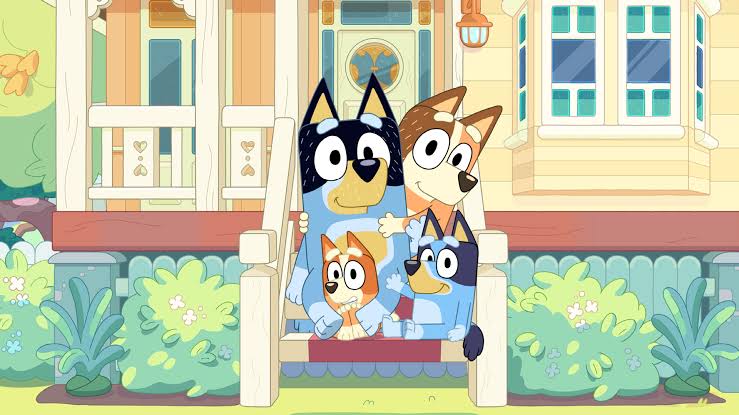
David Wilson-Nunn, Creative Director, Consumer Products & Licensing at BBC Studios, notes that for global preschool hits such as Bluey, Hey Duggee and Numberblocks, conversations around consumer-product and brand extension start at project inception. Creative and licensing teams collaborate “from the ground floor”, with sufficient lead-time to refine character assets, visual guidelines and holistic licensing strategy, rather than retrofitting commercial assets after final episodes are completed.
Safaa Benazzouz, EVP Distribution at Xilam Animation, explains that during development, Xilam’s licensing team works hand-in-hand with creative crews to assess licensing potential. Teams identify recurring characters, graphic motifs and core visual assets that can translate well for toys, publishing and consumer goods, building “toyetic” design blueprints. By the time of BLE trade show, the project arrives with a complete style guide ready alongside on-screen launch, significantly accelerating global licensing deal-making.
This model does not mean commercial priorities override artistic creation. European industry practitioners widely hold that upfront licensing integration is not about making stories serve toys. Rather, it empowers creators to design characters and fictional worlds with natural cross-media expansion potential while safeguarding narrative integrity, expanding storytelling dimensions and building multi-faceted fan touchpoints, achieving mutual empowerment between creativity and commercialisation.
II. Beyond Toys: Building Diversified Multi–layered IP Experience Ecosystem
Modern European animation licensing has moved well beyond classic toys and apparel, evolving into a hybrid ecosystem consisting of physical consumer goods, publishing, edutainment, food co–branding, location–based–experiences (LBE) and digital interactive content.
- Publishing & Edutainment derivatives: For preschool IP Piggy Builders, Xilam locked-in publishing partnerships during early-stage development. For comedy series Submarine Jim, the official style guide incorporates original recipes and educational-entertainment content, laying groundwork for follow-up edutainment licensing opportunities.
- Kidult / Nostalgia–driven adult–oriented licensing: Celebrating the 15th anniversary of flagship franchise Zig & Sharko, and reviving cult 1990s hit Space Goofs, Xilam taps into fast-growing kidult fandom with apparel, collectibles and gaming peripherals, reaching multi-generational audiences
- Location–Based Experiences (LBE): Blueystands as a benchmark case, extending its IP universe into theme-park rides, stage shows and immersive pop-up events. The flagship BLE session The ‘Bluey’ Effect: Building Franchises for Generations will share actionable practices for protecting core narrative and emotional values while expanding offline experiential businesses, with insights relevant for the upcoming Bluey feature film roll-
III. Brand Licensing Europe 2026: Central Industry Hub for Global IP Partnerships
Brand Licensing Europe (BLE), Europe’s largest dedicated licensing trade show, runs 6–8 October 2026 at ExCeL London. It acts as the critical B2B meeting point connecting animation IP owners, manufacturers, retailers, publishers and global licensing agents
2026 exhibitor roster includes heavy-weight animation participants: BBC Studios, Xilam Animation, Aardman Animations, Cartoon Saloon, Moonbug Entertainment, Crunchyroll and Toei Animation. Many animation projects will attend the show with fully-developed official style guides prepared in early-stage development, to negotiate multi-territory, multi-category licensing deals simultaneously.
Key flagship sessions at BLE 2026 focus on full-lifespan animation franchise building:
- Suzy Lee Raia, EVP Global Consumer Products, BBC Studios delivers main-stage fireside chat: The ‘Bluey’ Effect: Building Franchises for Generations. The session unpacks how authentic storytelling and emotional bonding transformed Blueyfrom an animation series into a worldwide cross-media franchise, sharing practical frameworks to preserve original brand DNA during IP expansion, with takeaways for the upcoming Bluey theatrical movie licensing roll-
- Joint LBE-focused fireside chat hosted by Xbox and Merlin Group deep-dives into real-world risks, contract structures and realistic development timelines when translating digital IP into physical location-based attractions, delivering actionable references for animation studios planning offline immersive projects.
Industry note: Free visitor registration for animation-sector professionals is open until 5 October 2026, offering independent creators and small-and-medium studios streamlined access to global licensing ecosystem partners.
IV. Industry Insights: Value, Challenges & Outlook for Upfront Licensing Integration
Core Values
- Cost–efficiency: Unified visual-asset design at pre-production avoids costly post-hoc character and asset revision for merchandise, shortening IP commercialisation lead-
- Sustained IP lifespan: Franchises are no longer confined within the broadcast window of a single series run. Books, collectibles and offline events continuously sustain fan engagement and extend IP commercial life cycle.
- Feedback loop: Insights from merchandise sales and offline fan communities flow back into creative teams, informing character refinement and story development for subsequent episodes and seasons.
Key Challenges
The industry must strike a deliberate balance between commercial opportunities and artistic integrity. Practitioners emphasise upfront licensing integration does not mean commercial requirements supersede storytelling. The bedrock of any successful franchise remains compelling narrative and memorable characters; excessive “toy-optimised” design that sacrifices creative quality will erode long-term IP value fundamentally.
Conclusion
European animation is undergoing an industrial-mindset transformation, shifting from “content-first, licensing-second” toward parallel planning for creative storytelling and brand licensing. Brand Licensing Europe 2026 will showcase real-world outcomes of this new model. Great animation IP does not live solely on screen. Through thoughtful, early-stage licensing strategy, animated worlds can keep growing across books, toys, theme parks and digital spaces, building durable cross-age, cross-territory intellectual-property assets.
熱門頭條新聞
- AI Man-Drama Enters “Licensed Operation” Era, Copyright Ownership Becomes Core for High-Quality Domestic Animation Development
- New European Animation Licensing Paradigm — Early-Stage Integration Fuels Long-Lived Animated Franchises
- Insight ’26 — Inaugural Post-Production & VFX Business Conference to Take Place in London
- Gods, Death & Reapers Gains Global Spotlight
- Yahoo Quietly Rebuilds Its Games Business: Daily Web-based Casual Games Open A New Growth Trajectory
- gamescom asia × Thailand Game Show 2026 Returns to Bangkok
- TIGA Submits Autumn Budget Proposals, Calls for Enhanced Video Games Expenditure Credit (VGEC) to Boost UK Games Industry
- Call for Entries Opens for FFAA 2027