Gaming to Please: For RTX, More Games Means More Believers
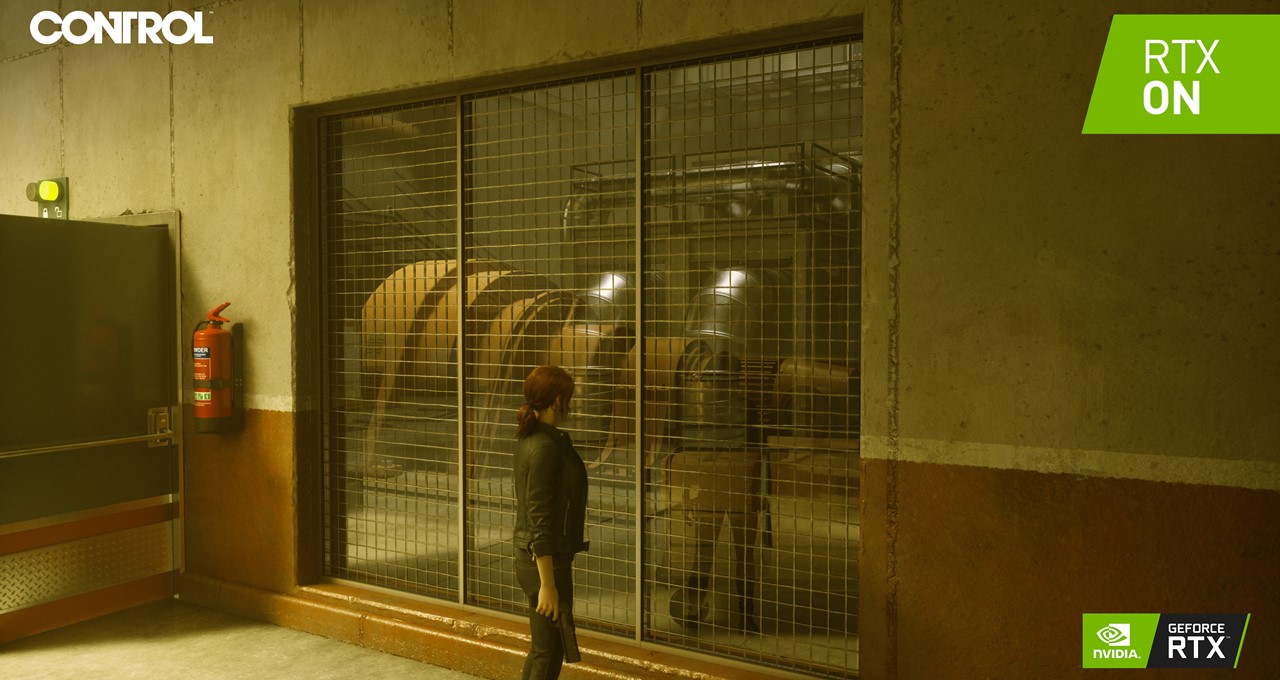
This week, Control was released, a game that happens to be an RTX bundle title, shipping to rave reviews. It’s a landmark title for ray tracing. Hot Hardware calls it a “tour de force.” Ars Technica raves that it’s a “ray tracing masterpiece.” And Polygon says it’s “a technical marvel, and an artistic achievement.”
High praise for a year-old technology.
At Gamescom 2018, we introduced RTX, our real-time ray tracing technology, to gamers for the first time.
Last week at Gamescom 2019, Microsoft announced ray tracing will soon be used in Minecraft, the best-selling game of all time. And we unveiled and demoed nine ray-tracing integrations, in Minecraft, Call of Duty: Modern Warfare and other big-name blockbusters.
Along with inclusion in some of the industry’s biggest games comes support from some of the industry’s most influential names.
Pawel Rohleder, chief technical officer at Techland, the game developer behind Dying Light, recently called ray tracing a “huge step” forward. Dave Cage, CEO at French game developer Quantic Dream, calls it a “big deal,” and said he plans to put the focus in future games on “lighting, lighting, lighting.” Marty Stratton, executive producer at id Software, the pioneering developer behind the Doom and Quake franchises, said it’s “a technical step we’re looking at how we can lead in.”
The tale of how we got to this point is a story of overnight success that was years in the making. NVIDIA has long worked with developers and standards bodies to put in place tools that will be used to put this technology in place for years to come.
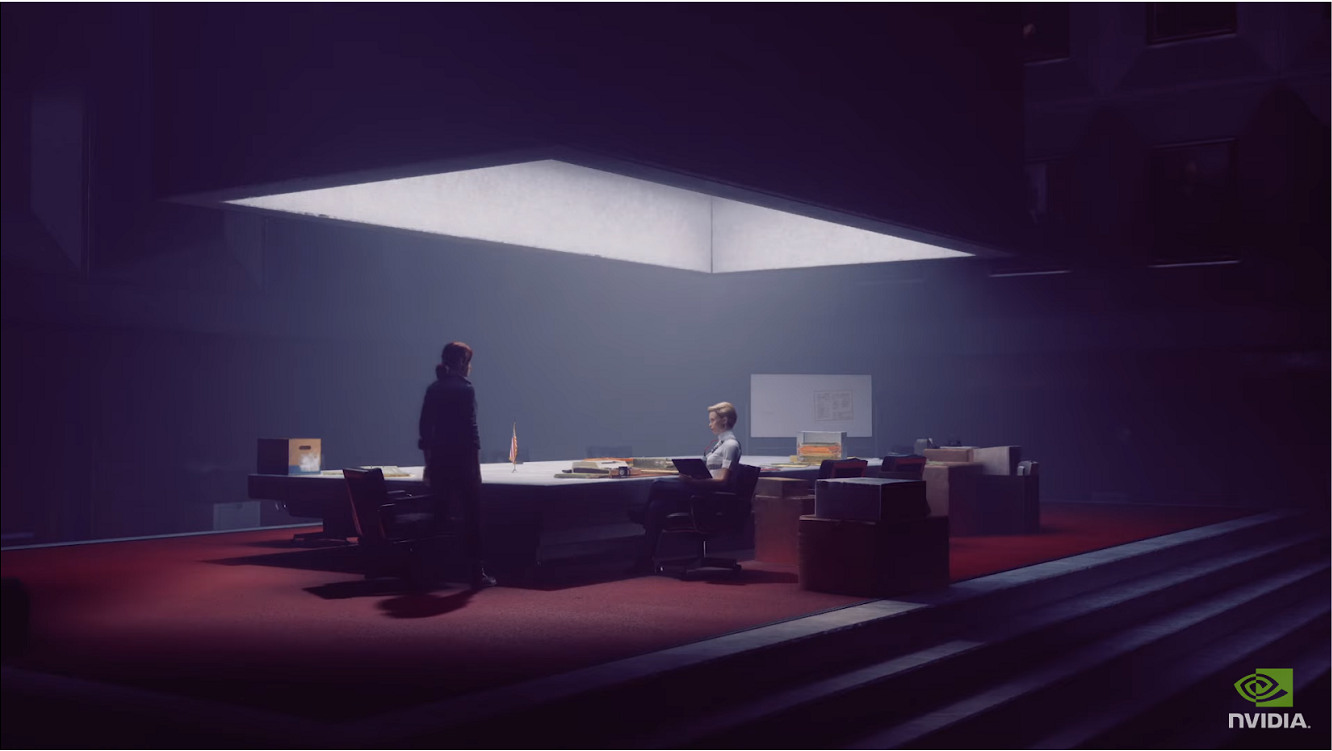
Now we’re starting to see the results.
Love at First Sight
We had to see real-time ray tracing in action to become a believer.
The first time we saw RTX was at last year’s GDC in the form of a Star Wars themed demo called Reflections.
To be sure, when you’re undertaking a major technology shift, the turn is never instantaneous.
Iit would take more than demos to tell this story, and get the technology from demos and into games.
That said, the change has been quick. Over the past year, we’ve seen industry-standard APIs support it, game engines adopt it en masse and major game studios bet their top gaming franchises on it.
A year later, the ecosystem for ray tracing is in place.
By: Brian Burke
Source: nvidia
熱門頭條新聞
- ArcheAge S: Strait of Freedom Targets Q2 2027 Steam Launch
- “One City Embodies Three Kingdoms, Half-Step Into Jianghu” Launches in Shanghai — Kaiying Network’s Dual Chinese-Style Game IPs Cross Over With Urban Tourism Festival, Pioneering Game-Culture-Tourism Integration Model
- Registration Opens for NVIDIA China Developer Day 2026 — A Premier Off line Tech Gathering for AI Developers in Suzhou
- Giving Back To The Industry: Nova Games Foundation Officially Launches To Empower Next Generation Game Creators
- Cozy Narrative-Driven Adventure Cat Secretary Launches on November 4th!
- Overwatch Rush Begins Soft-Launch in Southeast Asia, Blizzard Explores New Global Path for IP based Mobile Games
- GungHo to Shut Down Disney Pixel RPG on September 30, 2026
- Decorado: Alberto Vázquez on the Journey from Animated Short-film to Feature-length Animation