Sony’s Strategic Shift: Focusing on Single-Player Games to Become the King, While AI Accelerates Development but Poses Layoff Risks
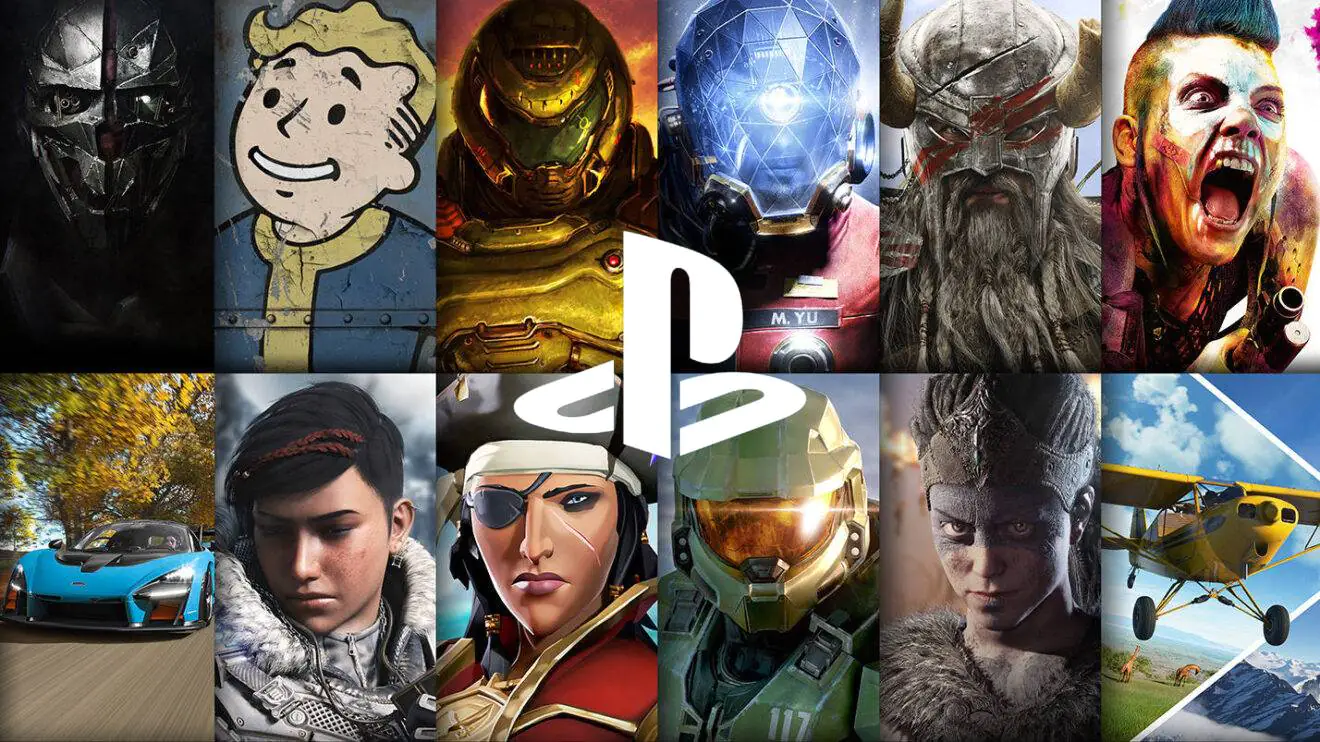
Recently, Sony Interactive Entertainment (SIE) announced a major strategic adjustment, gradually reducing its investment in live-service games (i.e., continuously updated online multiplayer games) and shifting its focus to high-quality single-player game development, aiming to solidify its position as the “King of Single-Player Games.” At the same time, Sony shared insights into its use of artificial intelligence (AI) to accelerate game and animation production, emphasizing that the technology will assist creators in improving efficiency. However, the widespread adoption of AI may also bring layoff risks to the industry. This shift not only reveals Sony’s future business priorities but also sparks deep reflection within the industry on the impact of AI technology.
Strategic Shift: From Live-Service Games to Single-Player Dominance
Sony had previously attempted to expand its live-service game portfolio to compete with rivals like Microsoft (Xbox) and Activision Blizzard in the multiplayer gaming space. However, recent development challenges or cancellations of several live-service projects (such as the multiplayer mode for The Last of Us) prompted Sony to reassess its strategy. Sony executives explicitly stated during financial meetings that the company will return to its core strength—narrative-driven, high-quality single-player games, such as successful IPs like God of War, Uncharted, and Ghost of Tsushima. This decision is based on the stable profit margins and brand loyalty of single-player games, which align with the traditional preferences of PlayStation console users.
Analysts point out that Sony’s move is intended to avoid direct competition with live-service giants like Fortnite and Call of Duty, instead consolidating its position in the console market through exclusive blockbusters. In the future, Sony may increase investments in single-player game IP development and technological innovation to maintain its leadership in the high-end gaming market.
AI Accelerates Creativity: Insider Insights and Creator Support
Sony simultaneously disclosed progress in the application of AI technology in game and animation production. Through internally developed AI tools (such as generative AI-based asset creation systems and motion capture optimization technology), Sony has significantly shortened development cycles. For example, AI can automatically generate background environments, character models, and basic code, allowing teams to focus more on creativity and storytelling. In animation, AI is used for rendering optimization and storyboard generation, expected to reduce production costs by over 30%.
Sony emphasized that AI technology is designed to “assist, not replace creators,” helping small and mid-sized teams achieve higher-quality output. The company has launched an “AI Creator Program” to provide technical support and training to third-party studios, promoting industry innovation. This initiative is seen as a push for the democratization of the game and animation industry, potentially lowering the barrier to producing high-quality content.
Industry Impact and Layoff Risks: The Double-Edged Sword
Despite the efficiency improvements brought by AI, its widespread adoption has raised concerns within the industry. Internal Sony reports indicate that AI tools could reduce the demand for certain repetitive roles (such as junior artists, testers, and animators), potentially leading to structural layoffs in the future. Previously, Sony had already laid off about 900 employees globally (8% of its workforce), partly due to technological optimization and strategic adjustments. Industry experts warn that the accelerated adoption of AI could exacerbate employment pressures in the gaming and animation sectors, particularly affecting entry-level positions.
On the other hand, AI technology could reshape the industry’s competitive landscape. Large companies like Sony may reduce costs through AI, but independent studios without access to similar technological resources could face greater market pressure. Additionally, copyright and ethical issues surrounding AI-generated content (such as data training sources) have also become focal points of industry debate.
Future Outlook: Sony’s Balancing Act
Sony’s strategic shift and AI adoption reflect the technology-driven trends in the gaming industry. The company must strike a balance between pursuing efficiency and preserving human resources, while ensuring that AI assistance does not compromise creative diversity. Analysts believe that if Sony successfully integrates AI technology with the strengths of single-player games, it could further widen the gap with competitors. However, it must cautiously navigate the social and regulatory challenges associated with AI adoption.
For players, Sony’s focus may mean more immersive single-player blockbusters. For the industry, however, attention must be paid to the evolution of the employment ecosystem in the face of technological revolution. Sony’s next moves could define the direction of game development in the new era.
熱門頭條新聞
- China Domestic Animation Summer Season 2026 Review: Box-office Boom for Theatrical Animation, Established Web Series Face Headwinds, AI Man-Dramas Explode for New Growth
- Tianji: Shadow of the Ancients, Coming 2027 to Multiple Global Platforms
- China’s Anime-Goods (“Guzi”) Economy 2026 Market Review
- Newzoo Forecasts Global Games Market to Hit $213.9 Billion by End-2026
- Opportunities Amid Transition: GamesMarket 2026 Industry-Leader Interview Maps Challenges, Resilience and Outlook for European Games Industry
- AI Man-Drama Enters “Licensed Operation” Era, Copyright Ownership Becomes Core for High-Quality Domestic Animation Development
- New European Animation Licensing Paradigm — Early-Stage Integration Fuels Long-Lived Animated Franchises
- Insight ’26 — Inaugural Post-Production & VFX Business Conference to Take Place in London