Xbox Unveils 2026 Strategic Blueprint: Returning to Core Gamers, Establishing DAU as Key Metric, Mobile Strategy Takes a Backseat
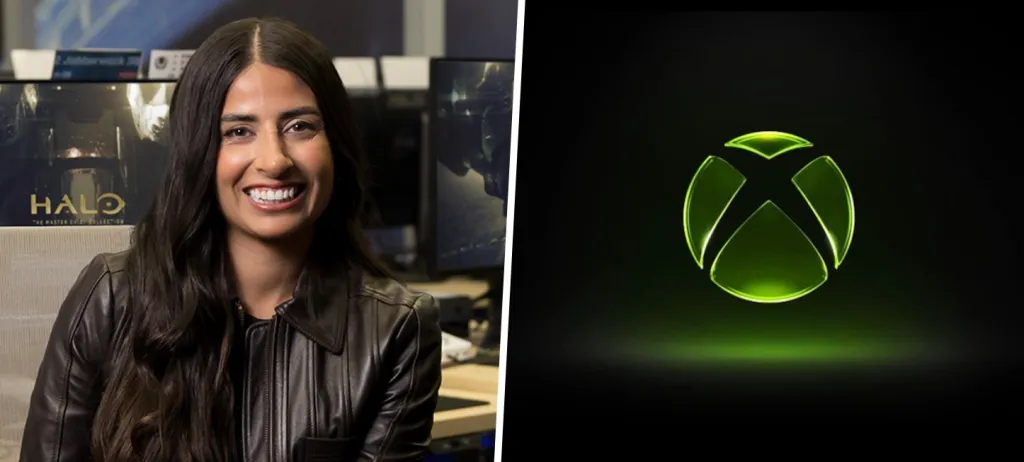
Microsoft Xbox has officially released its new strategic manifesto, “We are Xbox.” New leadership – Asha Sharma and Matt Booty – jointly unveiled the company’s future development framework. This strategy marks a major pivot: Xbox explicitly adopts a “Restore the Core” philosophy, prioritizing the repair of the console and PC hardcore gamer experience, while establishing Daily Active Players (DAU) as the new North Star business metric. Amid multiple strategic considerations, the once-highly anticipated mobile store initiative has been put on hold, with mobile taking a secondary role to make way for the core console and PC business.
1. Brand Strategy Reshaped: Returning to Roots, Prioritizing Core Gamer Trust
Coinciding with its 25th anniversary, Microsoft has officially retired the “Microsoft Gaming” division name, consolidating everything back under the classic Xbox brand and completing a brand identity refresh. Management admitted that recent years saw strategic wavering, slowed content updates, pricing volatility, and fragmented social experiences, leading to a decline in core player satisfaction and trust. At the same time, industry competition has intensified: independent creative works, Roblox, and other UGC platforms are steadily drawing users away, game development costs are rising, and market growth outside the traditional Western core regions has accelerated.
To address this, Xbox has established the core principle of “Core before more.” Its top priority is to fix the hardcore player experience, optimize console and PC foundational features, improve content discovery, personalized recommendations, and online social systems, thereby solidifying the base of traditional high-quality gaming. This strategic pivot signals that Xbox is correcting its previous mindset of unfettered expansion and full-platform generalization, abandoning broad-brush growth in favor of deepening engagement with its loyal user base.
2. New Performance Metric Launched: Daily Active Players (DAU) Becomes the North Star
One of the biggest changes in this strategy is establishing Daily Active Players (DAU) as the company’s highest-priority metric, replacing revenue and subscriber numbers as the primary focus. Management stated that this metric better reflects user engagement, retention, and stickiness, aligning with current industry trends toward live-service games and long-term operations.
Compared to the saturated console and PC markets, mobile offers massive traffic and high-frequency usage scenarios, making it a natural avenue for boosting DAU. However, Xbox is deliberately downplaying mobile at this stage. The core reason is brand sentiment management: hardcore console players generally resist casual mobile games, and any premature, high-profile push into mobile could intensify negative reactions among core fans, undermining the current “back to basics” brand restoration.
3. Mobile Strategy Ambiguous and Low-Profile: Not a Current Focus
The official strategic white paper mentions mobile only briefly in two places – a significant reduction in emphasis compared to earlier, more ambitious mobile store announcements. The overall mobile strategy can be summarized as: “maintain a presence, pause advancement, operate quietly.”
3.1 Official Positioning: Mobile as a Long-Term Incremental Addition
In the strategic document, mobile is categorized as an expansion direction aimed at “China, emerging markets, and mobile-first users,” and is no longer considered a core priority. The previously planned Xbox mobile game store has stalled, with no clear timeline for implementation. The company retains the “Play Anywhere” cross-device concept, acknowledging mobile as part of the ecosystem, but will not commit significant resources to public expansion in the short term.
3.2 Existing Mobile Assets: King Maintains Status Quo with Ongoing Optimization
King, the casual mobile gaming giant (creator of Candy Crush) acquired by Microsoft for a significant sum, remains Xbox’s primary source of mobile traffic and contributes substantial DAU. King recently underwent internal restructuring and staff optimization to streamline its operations. Industry analysts suggest that Xbox has no current plans to sell King, as divesting this casual mobile business would cause a sharp decline in the company’s overall DAU, directly impacting its new North Star metric.
3.3 Industry Pain Point: Console-to-Mobile Cross-Play Conversion Falls Short of Expectations
Long-term market validation has shown that cross-platform play faces natural user barriers: hardcore console and PC players prefer high-quality immersive experiences with large screens and controllers, and are unlikely to actively play the same major titles on mobile. Conversely, casual mobile gamers are rarely drawn to touch-based versions of console AAA titles. Forcing cross-play connectivity neither achieves user conversion nor maintains brand consistency – a key reason for Xbox’s tempered approach to high-profile mobile expansion.
4. Four Strategic Execution Pillars: Hardware, Content, Experience, and Services Upgraded
To implement its new development plan, Xbox has defined four execution dimensions with clear roadmaps for 2026–2027, fully optimizing the business loop:
4.1 Hardware: Strengthen Current-Gen Consoles, Prepare Next-Gen Technology
Xbox will continue to consolidate its current ninth-generation console hardware ecosystem to ensure a high-quality gaming experience; advance Project Helix to break down technical barriers between console and PC gaming; and develop high-performance ergonomic peripherals to enrich the hardware product line and enhance the high-end hardware ecosystem.
4.2 Content: Strengthen First-Party IP, Optimize Third-Party Partnerships
Continue to expand the classic game IP portfolio and operate live-service games over the long term; upgrade third-party partnership systems to secure a five-year content pipeline; support creator platforms such as Minecraft, The Elder Scrolls, and Sea of Thieves; retain development of mobile IP spinoffs but without external promotion.
4.3 Experience: Improve Core Features, Lower Creative Barriers
Fix foundational platform bugs; improve game search, personalized recommendations, and social features; enhance toolchains for developers, lowering barriers to creation and supporting independent creators and small to mid-size studios, fostering a mutually beneficial creative ecosystem.
4.4 Services: Optimize Game Pass, Control Cost Expansion
Following recent price adjustments for Game Pass, Xbox will continue refining the subscription service’s differentiated advantages and business model to achieve sustainable profitability; strictly control corporate costs with a long-term goal of steady profitability; improve cloud gaming capabilities, enhancing streaming performance on TVs and low-spec devices; pursue M&A cautiously, only acquiring to fill technical gaps or accelerate business growth.
5. Industry Analysis: The Dual Challenge Behind Strategic Trade-Offs
Industry observers have characterized Xbox’s strategic shift as a “phased trade-off, tiered development” approach. In the short term, Xbox is deliberately downplaying mobile to first reassure core console players, repair the brand’s damaged reputation, and rebuild fan trust. In the long term, however, mobile, emerging markets, and casual users remain indispensable growth segments for the company – King, mobile IP spinoffs, and cross-platform cloud gaming will not be completely abandoned.
Analysts point out that Xbox is caught in a typical strategic dilemma: going all-in on hardcore console limits DAU growth, while publicly pushing mobile alienates core fans. Hence, the company has chosen a middle path: quietly maintain and discreetly drive traffic to mobile, while loudly and deeply cultivating the core business to stabilize its base. Once console reputation recovers and brand identity stabilizes, Xbox is likely to relaunch its mobile expansion plans publicly.
Additionally, Xbox will re-evaluate its exclusivity strategy, game release windows, and AI applications, with further details to be disclosed as the business evolves. For now, the brand has set aside flashy expansion, returning to the essence of gaming, guided by a culture of “rapid iteration, prioritize execution, value creativity, streamline processes” – all in service of returning the company to a healthy, high-quality growth trajectory.
About Xbox
Xbox is a globally recognized interactive entertainment brand under Microsoft. Founded in 2001, its business spans the entire industry chain, including game consoles, PC games, cloud gaming, subscription services, and game development and publishing, with over 500 million cumulative players worldwide. Leveraging its first-party studio lineup, vast portfolio of high-quality IP, and cross-device cloud technology, Xbox continues to deliver premium, diverse interactive entertainment experiences to players globally.
熱門頭條新聞
- Hong Kong International AIGC Digital Creation Competition 2026
- Beyond Concept Verification: AIGC Film & Video Enters Commercial Realization Cycle in H2 2026
- It’s Time to Reap What You Sow (and Then Throw It!) – Planted! Launches 29th October 2026.
- Award-Winning Composer Cris Velasco and Milan Records Bring the Dark, Nordic Sound of Mistfall Hunter to Life
- ArcheAge S: Strait of Freedom Targets Q2 2027 Steam Launch
- “One City Embodies Three Kingdoms, Half-Step Into Jianghu” Launches in Shanghai — Kaiying Network’s Dual Chinese-Style Game IPs Cross Over With Urban Tourism Festival, Pioneering Game-Culture-Tourism Integration Model
- Registration Opens for NVIDIA China Developer Day 2026 — A Premier Off line Tech Gathering for AI Developers in Suzhou
- Giving Back To The Industry: Nova Games Foundation Officially Launches To Empower Next Generation Game Creators