What’s behind the deal? South Park creators sign $900m deal to make seasons and movies
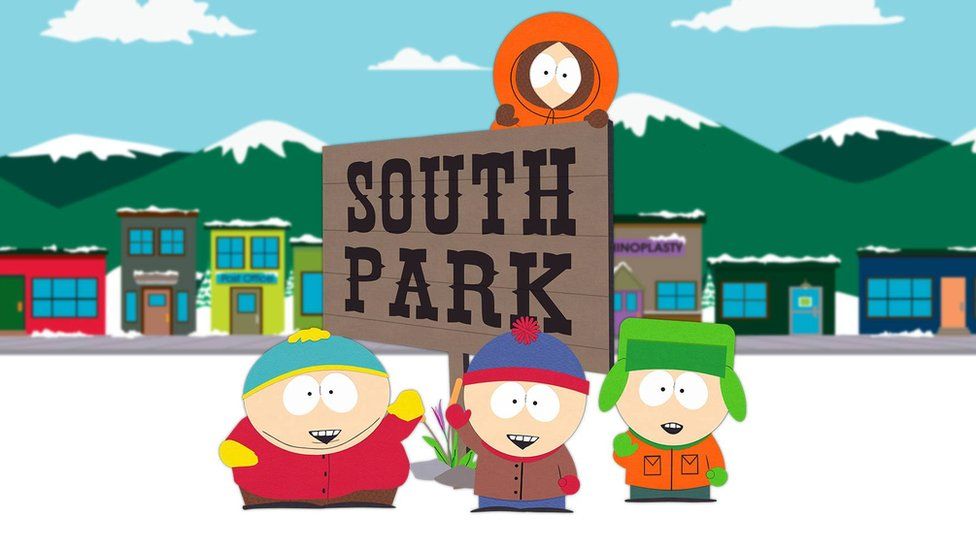
What’s behind the deal of South Park creators sign $900m deal to make seasons and movies
In early August,The creators of the South Park cartoons have signed a $900m (£646m) deal with US media giant ViacomCBS. The agreement, which runs to the end of 2027, includes six seasons of the South Park TV show and 14 movies.
“Matt and Trey are world-class creatives who brilliantly use their outrageous humour to skewer the absurdities of our culture and we are excited to expand and deepen our long relationship with them to help fuel Paramount+ and Comedy Central,” Chris McCarthy of MTV Entertainment and Paramount+ said in a statement.
The deal comes as the world’s biggest media and technology companies battle for dominance of the global streaming market. AndTrey Parker and Matt Stone have retained a large stake in their property, owning 50% of all non-tv rights. Animation creators who pitch an idea to a production company or broadcaster can generally count themselves lucky if they walk away with a 10% stake, as a new report by Kidscreen explains.
For writers or artists, selling their concept often serves as a job interview, through which they earn the right to work on their own show. If not, they will usually get a one-time payment and may never be involved in the project again. If the show is a success, creators may see a little money through royalties, after related expenses are deducted.
Although most creators don’t own their shows or characters, the situation now I changing. Production companies in the young age animation region are increasingly trying out new models, in which the creator gets a bigger stake in what they create.
Giving up ownership is a young man’s game, says Doug Schwalbe, a long-time DreamWorks vet who launched his venture The Co-Production Company in March. To build relationships early in a career, it might make sense for creators to sign away their stake in exchange for US$10,000 to US$15,000 to work on spec. But with more than 30 years in the industry, it’s not something Schwalbe is interested in doing—and he certainly wouldn’t advise any of the creators he works with to do so either.
“As the creator, you [should] be part of the exploitation of your original concept for the duration of your life,” says Pure Garbage’s Wilson, founder of Johannesburg’s African Animation Network. “The cornerstone of a truly sustainable career in the media industry is not just participation in the creative economy; it’s ownership of your original ideas.”
While none of the production companies know whether the new model will result in long-term success or change the industry in some fundamental way, they’re willing to give it a try. At the very least, they hope other studios will have to match their models to compete for talent, forcing some incremental change in the way IP ownership is allocated.
熱門頭條新聞
- DRAGONHEIR: SILENT GODS MARKS THIRD ANNIVERSARY WITH COMMUNITY-CREATED HERO AND ORDER VS. CHAOS SHOWDOWN
- China Domestic Animation Summer Season 2026 Review: Box-office Boom for Theatrical Animation, Established Web Series Face Headwinds, AI Man-Dramas Explode for New Growth
- Tianji: Shadow of the Ancients, Coming 2027 to Multiple Global Platforms
- China’s Anime-Goods (“Guzi”) Economy 2026 Market Review
- Newzoo Forecasts Global Games Market to Hit $213.9 Billion by End-2026
- Opportunities Amid Transition: GamesMarket 2026 Industry-Leader Interview Maps Challenges, Resilience and Outlook for European Games Industry
- AI Man-Drama Enters “Licensed Operation” Era, Copyright Ownership Becomes Core for High-Quality Domestic Animation Development
- New European Animation Licensing Paradigm — Early-Stage Integration Fuels Long-Lived Animated Franchises