No Mobile-Exclusive Titles Featured at Summer Game Fest: Deepening Industry Divisions Signal a New Refined Independent Growth Era for Mobile Games
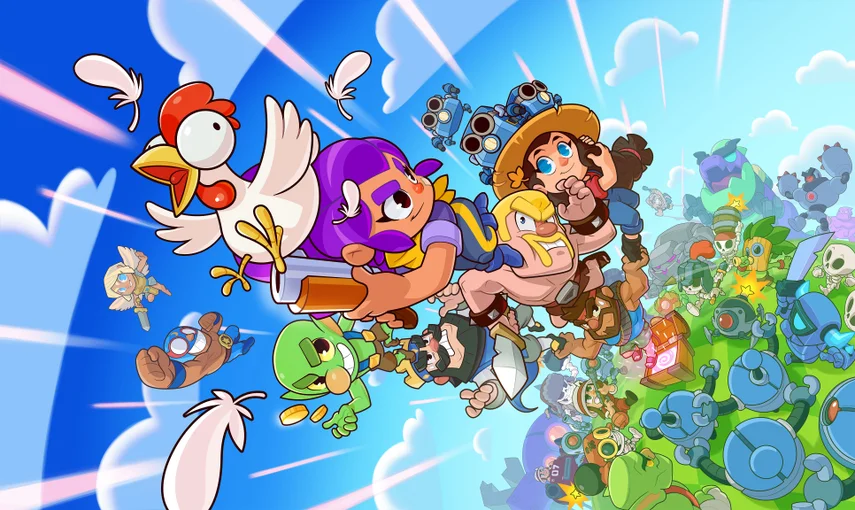
The 2026 Summer Game Fest and its accompanying offline Play Days exhibition concluded earlier this month. The grand event brought together leading console and PC developers worldwide to showcase a wealth of new titles and industry updates, yet not a single mobile-exclusive game appeared across the entire showcase. Only cross-platform releases such as Wuthering Waves and Fortnite offered mobile compatibility, marking an almost total absence of mobile game content. This outcome was no coincidence; it stemmed from deliberate decisions made by event organizers and game publishers based on market positioning, cost structures and audience disparities. The shift also foreshadows a brand-new landscape for global mobile game development and marketing.
Mobile games hit an all-time low in visibility throughout this year’s Summer Game Fest. No titles built exclusively for mobile devices debuted during the main stage livestream, and none were available for hands-on trial at the Play Days media and creator exhibition zones. Among side events including Day of the Devs and Wholesome Direct, hundreds of showcased games yielded merely a handful of mobile ported versions. On-site reporters in Los Angeles spotted minimal mobile game-related materials, such as wall murals for Love and Deepspace and out-of-home advertisements for Monopoly GO!, which remained entirely segregated from the showcase’s core lineup.
A review of event trends over the past several years reveals a steady marginalization of mobile games at Summer Game Fest. Back in 2024, Finnish mobile giant Supercell negotiated extensively with organizers and covered extra showcase fees just to secure a rare spotlight slot for its mobile-exclusive title Brawl Stars, complemented by celebrity skits to boost exposure—an indication of the organizers’ inherent reluctance to feature pure mobile content. Fast forward to 2025, firms including Niantic and Netflix still brought mobile games to Play Days booths. By 2026, major mobile publishers collectively opted out of participation, cementing a dynamic where console and PC games take center stage while mobile offerings step back entirely. Industry insiders widely agree that the organizers have never prioritized mobile-exclusive content, forming the foundational premise behind this year’s mass absence.
Three core disparities—commercial logic, audience segmentation and product presentation frameworks—lie at the root of this phenomenon.
First, diverging cost and marketing economics. The mobile game sector operates on data-driven mechanics centered on user acquisition (UA) and long-term live-service operations. Participation at flagship events like Summer Game Fest carries steep combined costs for booth space, promotional materials and supporting services, with hard-to-quantify exposure returns and poor ROI. For mobile publishers, allocating multi-million-dollar marketing budgets to targeted ad buying and ongoing player retention delivers far more tangible results than premiering trailers at general gaming festivals catering primarily to hardcore players. Even Scopely, developer of blockbuster mobile hit Monopoly GO!, skipped the showcase despite holding a major marketing window for its The Simpsons crossover, embodying the pragmatic mindset pervasive across the mobile industry. In stark contrast, console and PC publishers operate under an entirely different marketing cost structure; the massive promotional expenditures seen from firms like Microsoft and Amazon are financially unviable within mobile gaming’s budget framework, creating an ever-widening divide between the two verticals.
Second, an inherent split in target audiences. Summer Game Fest’s core demographic consists of dedicated hardcore gamers drawn to high-fidelity, single-player and narrative-driven AAA experiences, many of whom hold inherent biases toward lightweight, live-service mobile titles. Curated as a cultural celebration of premium gaming with high-production visual showcases, the event’s core identity misaligns completely with mobile games’ core audience of mass casual and localized regional players. Even if mobile developers absorbed steep participation costs, their products would easily be overshadowed by an overwhelming roster of console and PC blockbusters, rendering festival attendance ineffective for reaching their target player base.
Third, a broader industry shift toward cross-platform-first design. The small number of mobile-compatible games featured at this year’s showcase were all built primarily for console and PC, with mobile support added as a secondary feature. A clear industry trend has emerged: mainstream general gaming expos only welcome cross-platform titles developed for console and PC first with concurrent mobile launches, while standalone mobile games have been fully excluded from core showcase circuits, further entrenching platform silos.
Drawing on this industry shift and the broader global gaming market landscape, we outline key predicted trends for the future of mobile games:
Complete Segmentation of Exhibition Circuits, with Mobile Publishers Doubling Down on Specialized Gaming Conferences Moving forward, mobile developers will largely abandon general console and PC-focused expos including Summer Game Fest and the former E3, instead centering their new title launches, business networking and brand outreach at mobile-friendly specialized conventions. Global events such as the Game Developers Conference (GDC), Gamescom, Tokyo Game Show (TGS), South Korea’s G-Star and ChinaJoy feature layouts and audience demographics far more aligned with the mobile ecosystem, cementing their status as core hubs for worldwide mobile publishers. General gaming expos and mobile-focused industry summits will each serve distinct niches, as the industry moves toward segmented, specialized showcase ecosystems rather than universal cross-category lineups.
Marketing Budgets Shift Heavily Toward UA and Live-Service Retention, with Large-Scale Global Festival Brand Activations Declining Mobile gaming’s performance-first marketing philosophy will grow more pronounced. Amid rising global mobile user acquisition costs, publishers will slash spending on inefficient large international expos, redirecting funds toward targeted digital ad campaigns, community management, live content updates and small-scale localized offline activations. Brand building will no longer rely on visibility at flagship global gaming festivals; instead, studios will engage mass casual audiences directly via social media, short-video platforms and livestream ecosystems to cultivate proprietary private player traffic pools tailored to mobile gaming.
Polarized Product Development: Cross-Platform Blockbusters and Standalone Mobile Titles Follow Separate Growth Paths On one hand, top-tier developers with robust R&D capabilities will accelerate full cross-platform integration, creating unified experiences playable across console, PC and mobile. These flagship cross-platform releases will continue to selectively feature at events like Summer Game Fest, serving as the primary bridge connecting mobile gaming to traditional hardcore player circles. On the other hand, vast catalogs of lightweight, casual, regionally localized mobile-exclusive games will remain fully rooted within the mobile ecosystem, catering solely to local player bases with no effort to break into console gaming spheres. The development trajectories of pure mobile games and cross-platform titles will fully diverge, with clearer dividing lines forming between the two categories.
Mobile Gaming Gains Independent Industry Standing, Evolving Into a Parallel Ecosystem Beside Console and PC Gaming Mobile games already account for over half the global gaming market by revenue, boasting billions of unique users with distinct content styles, business models and player subcultures. This mass boycott of Summer Game Fest signals not weakness within the mobile sector, but maturity and newfound independent industry clout. Moving forward, mobile game creators will stop catering to the established rules of traditional hardcore gaming expos, instead building proprietary industry discourse, evaluation metrics and promotional channels to operate as a self-contained ecosystem parallel to console and PC gaming.
Strengthened Regional Identity, with Localized Marketing Becoming Critical for Mobile Game Breakout Success The promotional value of universal global expos will continue to diminish, pushing mobile publishers to deepen regional market investment. Dramatic disparities exist between territories in player preferences, spending habits and gaming scenarios; region-specific localized content, local crossover events and regional channel partnerships will drive stronger product performance than one-size-fits-all global festival exposure. Overseas mobile game launches will also abandon unified worldwide marketing strategies in favor of differentiated, territory-tailored promotional roadmaps.
Industry analysts conclude that mobile games’ absence from Summer Game Fest is a natural market outcome rather than a sign of industry decline. By stepping away from misaligned showcase platforms to focus on their core audience and competitive strengths, mobile game developers demonstrate rational, mature industry evolution. The global gaming landscape will evolve into a diversified coexistence model moving forward: console and PC platforms anchor premium high-fidelity blockbuster experiences, mobile gaming nurtures mass casual entertainment ecosystems, and cross-platform releases bridge separate player communities. The three verticals will thrive alongside one another through differentiated positioning, collectively propelling sustained growth across the worldwide games industry.
熱門頭條新聞
- Disney × TikTok Strike Global Short-Form Content-Sharing Deal: Hollywood IP Descends Into the Creator Economy as Streaming Enters the Vertical-Video Era
- Hand-Painted Cozy Adventure Seina: a Tale of Spirits Launches Free Steam Demo
- SPRAWL zero brings early 2000s nostalgia to PC and consoles this September
- Oops! You’re the Hero! steals its way onto PC September 15, 2026
- Bullet Heaven Cloudbreaker to Take Flight on September 15th — Will You Survive the Skies?
- Wuthering Waves Version 3.6 Lamplight in Mirage, Swords Resolve in Heart Out Now
- Rovio Revenue Stabilises Following USD 200M Impairment and Internal Restructuring;
- Annual Report of the German Games Industry 2026 published