India Has Hit the Gaming ‘Reset Button’ — Here’s What Happens Next
Source: https://naavik.co/
Source: Naavik
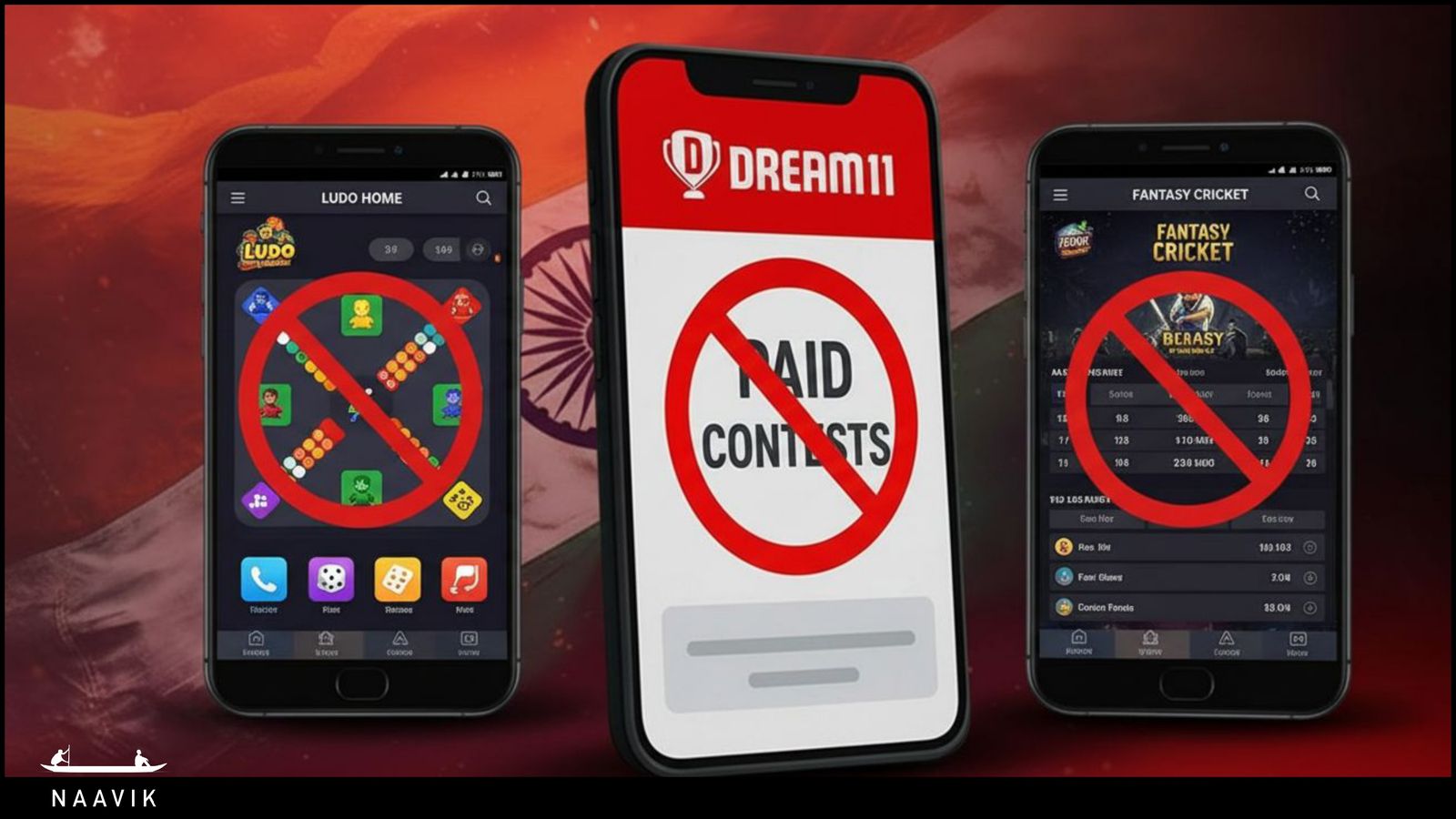
A seismic shift has rocked the foundations of the Indian gaming industry: The swift and decisive passage in late August of the Promotion and Regulation of Online Gaming Bill, 2025, culminating in a blanket ban on all real-money gaming (RMG), has brought a multibillion-dollar sector to an abrupt halt.
Source: https://d3ilwcg9bj8fh4.cloudfront.net/assets/files/IGR_2025_21_May.pdf
Source: India Gaming Report 2025
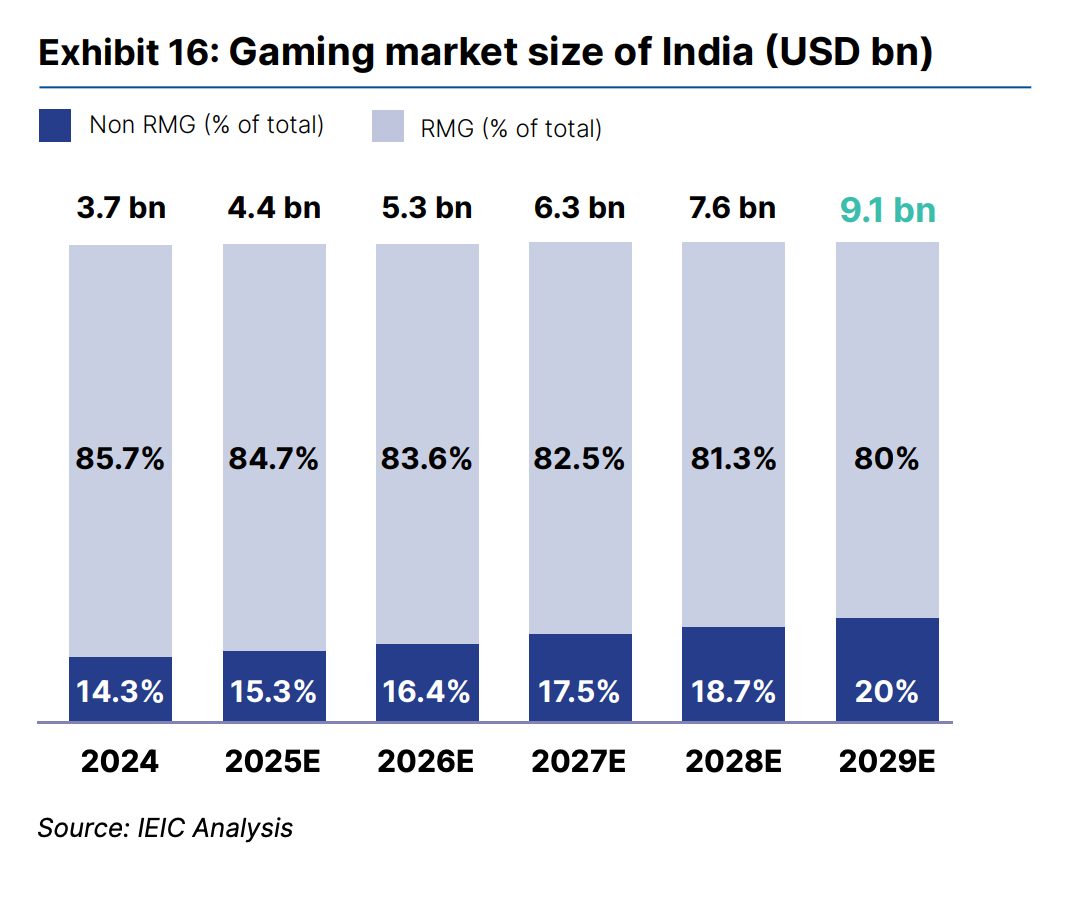
The now-banned RMG section was a key contributor to India’s gaming sector, accounting for approximately 85% of its revenue, which hit $3.2B in 2024. The legislation received presidential assent recently, marking a watershed moment and forcing a radical reimagining of the future of gaming in one of the world’s largest and fastest-growing digital economies.
The government’s rationale for the ban is rooted in concerns over the societal impact of RMG, citing rising rates of addiction, financial distress, and the use of these platforms for illicit activities like money laundering. India’s new ban on all RMG games does not signify that all gambling is illegal in the country. It represents a major policy shift, as Indian law has long differentiated between games of chance (gambling) and games of skill.
The foundational law, the Public Gambling Act of 1867, specifically exempts “games of mere skill.” The Supreme Court of India has repeatedly upheld this distinction, ruling that competitions where skill is the main factor, like rummy and horse racing, are not considered gambling and are therefore legal. The blanket ban on RMG games, including those previously protected as skill-based, now challenges this long-standing legal framework.
The new law makes a clear distinction between RMG and other forms of online gaming, signaling a deliberate policy to foster the growth of esports and the broader non-RMG gaming landscape.
What Were RMG Games?

Source: https://naavik.co/
Source: Naavik
Before the recent ban, the RMG sector in India operated within a unique legal and financial framework. The entire industry was built upon the critical distinction in Indian law between a “game of skill” and a “game of chance.” Activities considered games of chance, where the outcome is determined purely by luck (like a lottery) are treated as gambling and are prohibited. In contrast, games of skill, where the outcome is predominantly influenced by a player’s knowledge, strategy, and experience, were legally protected as a legitimate business activity by Indian courts.
RMG platforms like the fantasy sports giant Dream11 and card game apps like RummyCircle and PokerBaazi leveraged this distinction to build their entire business models. They successfully argued in court that their games required significant skill to win. For instance, in fantasy cricket, a user’s ability to analyze player statistics, pitch conditions, and team form was considered the dominant factor for success, thereby classifying it as a game of skill and allowing it to operate legally. The legal classification of card games such as rummy and poker has historically been games of skill, not of pure chance, thus allowing them to be played for RMG games.
The financial mechanics of these platforms were straightforward and highly lucrative. They acted as intermediaries, hosting contests and managing funds rather than betting against the players. To participate in a cash contest, every player paid an entry fee, which could range from a few rupees to several thousands ($0.06 to $100). All these fees were consolidated into a large prize pool for that specific contest. The platform then generated its revenue by deducting a commission, commonly known as a “rake,” from this total prize pool.
After the platform took its fee, which typically ranged from 15% to 25%, the remaining amount was distributed as winnings to the top-performing players based on a predefined ranking structure. This business model was highly effective as it allowed companies to earn revenue from every single game played on their platform without taking on any of the financial risks associated with gambling. Their income was guaranteed as long as users continued to participate in contests.
Corporate Collapse and the Evaporation of Revenue
The financial success of the RMG model made it the go-to investment model for the Indian gaming industry, attracting approximately $2.5B in foreign direct investment — representing a phenomenal 90% of all foreign investment — to RMG startups over the past five years.
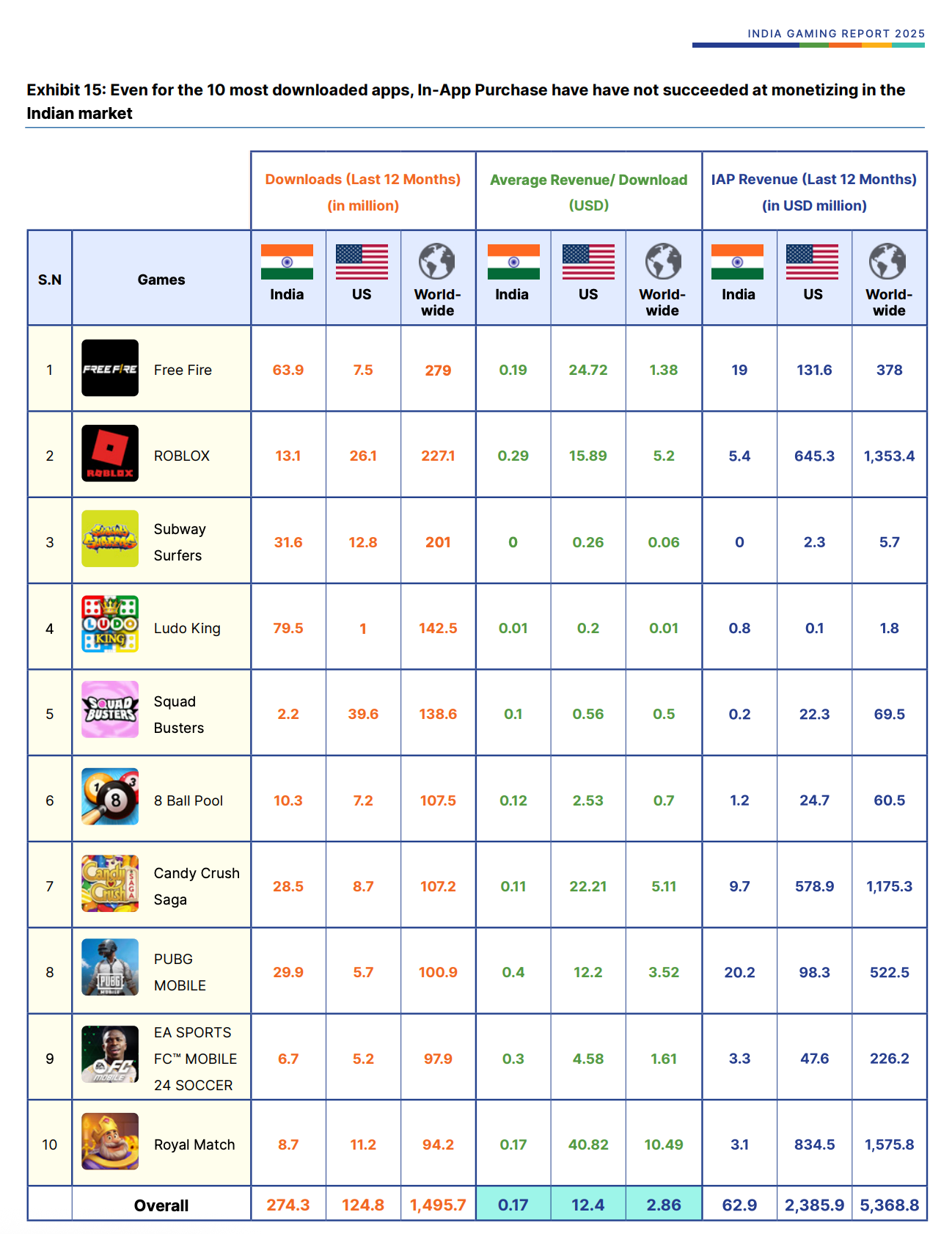
In markets like the U.S. and Europe, the average revenue per user is high, and monetization through premium game sales or frequent in-app purchases is viable. In India, where the per capita disposable income is lower, convincing users to spend on non-essential digital goods is challenging. The RMG model bypassed this by offering a clear value proposition: The money you put in could lead to a direct monetary return. This made it a far more effective and dominant monetization strategy than other models in the region.
But now, companies that were once lauded as unicorns and “soonicorns,” commanding billion-dollar valuations and attracting a steady flow of significant foreign investment, have now found their entire business models rendered illegal in a single stroke.
Their primary, and in most cases only, revenue stream — the platform fee or “rake” taken from user entry fees — has been instantly cut off. This isn’t just a disruption; it is a complete evaporation of income.
Dream11, poker platforms such as PokerBaazi, and casual gaming apps with pay-to-play formats like Zupee have been forced to immediately disable their paid services. Other significant companies impacted include Games24x7, a giant in the online card game space; MPL (Mobile Premier League), a multigaming aggregator offering a “one-stop shop” for RMG games; and A23, a specialist in the rummy category.
For these companies, the core user action was paying to enter a contest with the hope of winning a larger cash prize. Without this central mechanic, their platforms became financially inert. The revenue for these RMG companies was overwhelmingly from Indian consumers. For most of them, the Indian market accounted for well over 95% of their entire business. These companies were not global platforms that happened to operate in India; they were Indian companies built specifically for the Indian market. Their core products were hyper-localized: from fantasy sports dominated by cricket to card games focused on Indian rummy.
The ban effectively killed the core business of these companies. While they might technically continue to exist as corporate entities, they cannot simply run the same games in other markets. Expanding internationally would require building entirely new products tailored to different cultural tastes (e.g., fantasy football for the U.S.) and navigating the complex, expensive, and highly regulated gambling laws of each new country. So, for all practical purposes, the ban didn’t just disable their services in one region — it dismantled the entire, highly successful business model they had built for their one and only primary market.
The case of Dream11, the undisputed poster child of the Indian RMG success story, is particularly stark. The company’s decision to pivot to a F2P model is a move born of sheer necessity, not strategic choice. This pivot is a devastating financial blow, with internal estimates suggesting it will erase an estimated 95% of its revenue. The company’s valuation and operational capacity are now under severe threat, forcing it into a desperate fight for survival in a market (F2P) where it has less experience and where monetization is far more challenging.
VC firms and other investors who had backed these startups are now in crisis mode. They are left to urgently assess the damage to their portfolios, where multimillion-dollar investments have become nearly worthless overnight. The primary challenge is strategizing the next move for their portfolio companies. Do they provide emergency bridge funding to help them pivot to an unproven F2P model, or do they cut their losses and write off the investment?
This sudden regulatory shift has introduced a level of sovereign risk that will undoubtedly make foreign investors more cautious about the Indian startup scene in the future, as many now face the grim reality that their portfolio companies are scrambling to exist.
However, a critical consideration for the best-funded of these firms is the use of their existing capital. Sitting on significant cash reserves from previous funding rounds, these market leaders are now expected to pursue aggressive global M&A. This strategy is a fight for survival through rapid, cash-fueled diversification into new, legally stable markets and business models, likely triggering a flurry of international deals led by these Indian firms.
The Great Pivot: Charting the Future of a Post-RMG Industry
Source: https://d3ilwcg9bj8fh4.cloudfront.net/assets/files/IGR_2025_21_May.pdf
Source: India Gaming Report 2025
With the high-revenue RMG model now off the table, the entire industry, including former giants like Dream11 and MPL, is being funneled into the F2P arena. While F2P has always been the largest segment by user base in India, it has historically been a challenge to monetize effectively. The RMG ban, however, is a powerful catalyst, forcing companies to innovate and perfect F2P monetization strategies for the Indian market and expand their operations to serve global markets.
The transition to a post-RMG landscape will not be without its challenges. The industry will need to navigate a period of significant disruption and consolidation. Companies that are unable to adapt their business models will likely face a difficult future.
Illegal offshore betting and gambling platforms pose a significant threat to Indian consumers, the economy, and the legitimate gaming industry, resulting in an estimated annual tax revenue loss of $2.5B. While the regulated RMG industry provided a framework for accountability, persistent consumer demand for these games creates a new risk. This aggressive suppression from the RMG ban could inadvertently drive this activity into an underground market, which would be far more difficult to monitor and significantly more dangerous for consumers.
However, the long-term outlook for the Indian gaming market remains optimistic. The ban, while painful in the short term, has the potential to create a more sustainable and diverse gaming ecosystem. By shifting the focus away from a reliance on real-money wagering, the industry can now concentrate on building a culture of gaming that is centered on skill, entertainment, and community.
In the wake of the recent ban, a new video game industry body, the Indian Game Publishers and Developers Association (IGPDA), has been established by nine local developers and publishers, including prominent companies like Nazara Technologies and Tara Gaming.
Rebuilding Timeline: A Long and Arduous Road
It is highly unlikely the Indian gaming industry’s revenue will return to its RMG-era highs quickly. A realistic rebuilding period would likely take a minimum of five to seven years, even potentially closer to a decade, before new revenue peaks are reached. This is a monumental task: Reaching a “new high” means the new F2P revenue will have to surpass the billions of dollars the RMG industry was generating.
With the domestic market now much harder to monetize, Indian studios will be forced to think globally from day one. We will see a shift from “Made for India” to “Made in India, for the world.” This will lead to games with more universal themes, higher production quality, and a focus on competing in the lucrative North American and European markets. Given the low propensity for IAPs in India, companies will become experts in advertising-based revenue. Expect innovation in how ads are integrated into the gameplay experience. A hybrid model, combining non-intrusive ads with small, accessible IAPs, will likely become the dominant strategy for the Indian market.
Source: Harshal Karvande, Naavik Contributor & Principal Game/Product Design at Rovio
熱門頭條新聞
- Yahoo Quietly Rebuilds Its Games Business: Daily Web-based Casual Games Open A New Growth Trajectory
- gamescom asia × Thailand Game Show 2026 Returns to Bangkok
- TIGA Submits Autumn Budget Proposals, Calls for Enhanced Video Games Expenditure Credit (VGEC) to Boost UK Games Industry
- Call for Entries Opens for FFAA 2027
- Rocketry, a Rocket Building and Space Exploration Simulator Coming to PC in 2027
- TOKYO GAME SHOW 2026 Marks Its 30th Anniversary with Record-Length Five-Day Run at Makuhari Messe; Complete Overview of Dates, Speakers, Exhibitors & On-Site Key Activities
- Hong Kong International AIGC Digital Creation Competition 2026
- Beyond Concept Verification: AIGC Film & Video Enters Commercial Realization Cycle in H2 2026