In the age of AI, How is the change to film and television script-writing?
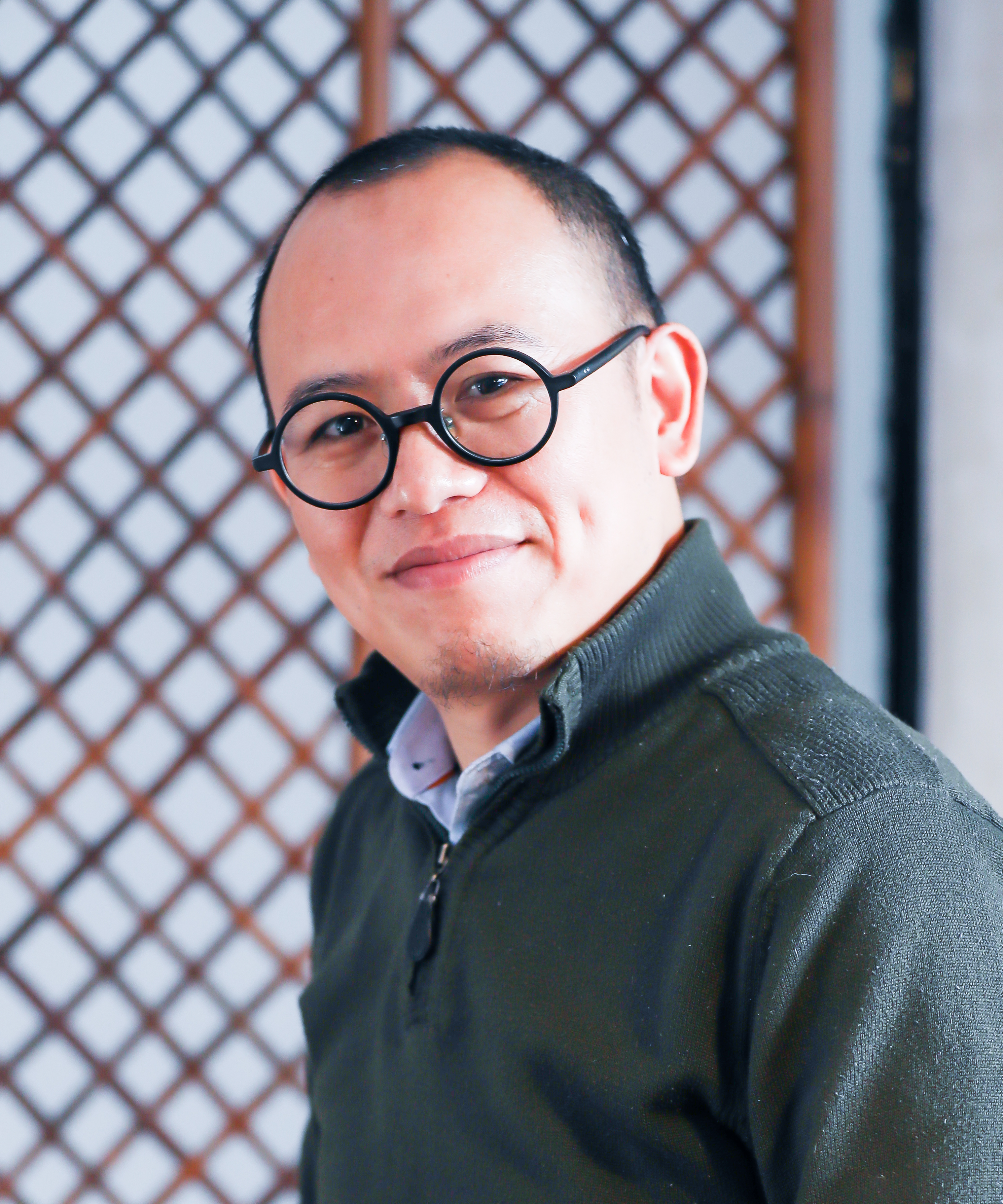
Terry Wu, Director/founder of Xiaohe Culture Film & Television (Shenzhen) Co., LTD
Terry Wu has participated in the creation of many domestic film and television animation works, including:
Animated films: creative planning,Co-scriptwriter and producer of the Happy little Submarine series, executive producer of The Smiling Proud Wanderer, executive producer of Monkey King:Hero Is Back;
Animation series: planning of Clever Shuliu , script-writing direction of Valt the Wonder Deer , director of the theatrical version of Growing Up;
Creative works: science fiction novel Shang Cheng Fei Du, scriptwriter of Legendary of Su Dongpo’s Mother, concept designer of Mu Guiying and Su Shi;brand planning and AI script-writing of The Scent Hunter; writer of AI Created Movies: From Text to AI Visual Architecture and Model Design , etc..
Recently, CGGE interviewed Terry and discussed some of his thoughts on the application of AI in the film and television script-writing. The following are the highlights of the interview.
CCGE: Could you briefly introduce what film and television animation script-writing is? Are there any obvious differences from traditional film and television script-writing?
Terry: Essentially, animation and live-action script-writing are the same in terms of creation, and there is no fundamental difference. Over the past decade or so, I have mostly been involved in animation script-writing other than live-action film script-writing.
Let’s talk about the differences between animation and live-action first.
Animation and live-action only differ in the means of realization, which means there are not many differences in the script, and some of them can even be ignored, especially in the writing methods and techniques, which are almost the same, from the concept to the theme, from the theme to the characters, from the characters to the main plot, from the main plot to the structure, and from the structure to the plot,etc., and the creation is centered around these elements. However, from the perspective of different genres, some are more suitable for animation, such as stories with animals as characters. Animation can anthropomorphize all characters, not limited to animals. Animation is more exaggerated in terms of modeling, performance, lighting, and color than live-action. Realistic-theme are relatively rare in animation works. For example, the recently released animated film I Am What I Am series is one of the few films set in the real world with real stories. From a commercial perspective, the first one has achieved a box office of about 250 million yuan, which is an impressive achievement for a realistic-themed animation movie. Besides, it has no IP foundation. Of course, this project is about the traditional Chines culture of the lion dance, which gives the audience a sense of familiarity. Cultural elements play an indispensable role in the film itself. However, the results of the sequel are not satisfactory. Although the film is quite good from the director’s perspective, the commercial return has not been satisfied.
In my opinion, such result came from scheduling, marketing promotions, and scheming, etc.. And In terms of implementation methods, live-action is better suitable for realistic theme as what the camera captures is what you get. While, in animation works, all elements in the shot have to be built up little by little through 2D or 3D technique. But now, the boundaries between live-action and animation are becoming increasingly blurred in certain types of films. For example, the CGI technique is applied in the movie of Avatar, including the virtual characters and scenes, which achieved a perfect combination with live-action.
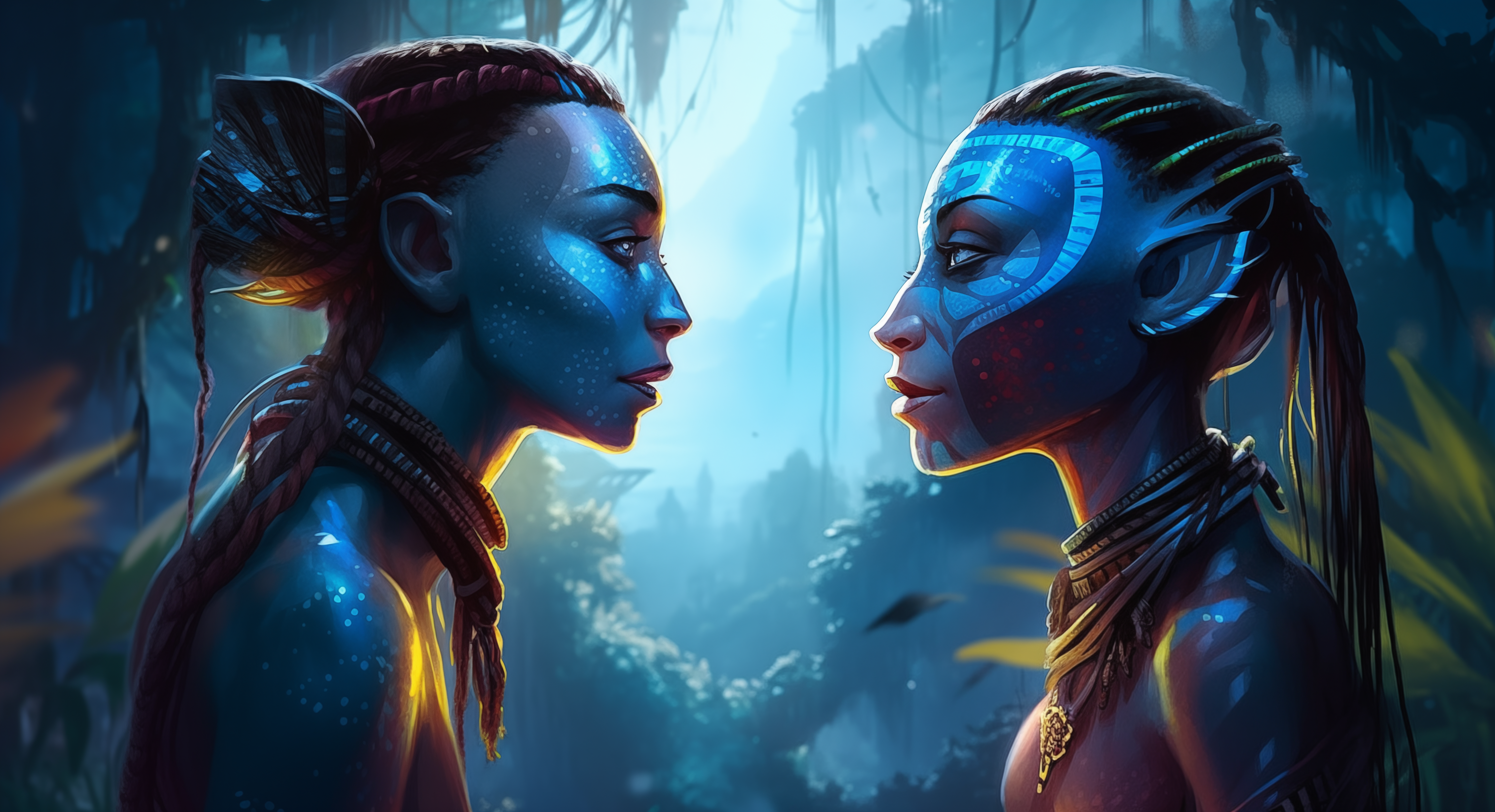
“Avatar” created by the author using AI
In the past two years, I have had the opportunity to participate in the writing a live-action film script. Different from writing and animation script, which the scriptwriter put more emphasis on the description of role performance, emotions, and the scenes, the live-action film writer focus more on events, and make the performance more concise, especially when he put an actor into the role, he will tend to write in accordance with the actor’s performance style. The performance, the way to express, and poses will be comparatively simply written, therefore, it will leave more space to the director and actors to play. In addition, these can be adjusted during live-shooting. Comparatively, the performance will be a relatively detailed description in the stage of animation script and fixed in the final draft. Therefore, the director and storybord artists will produce the storyboards according to the script, of course, there can be a little adjustment and modification. The same to the scene set.In animation works, it tends to be more specific description to the sets then, the director, scriptwriter and art designer will work together to confirm the sets. In the process of concept design, the scriptwriter will also adjust the description of the scene sets according to the layout and design. It basically requires less details in the script stage of a live-action film. It usually gives a roughly and adjust it through the early concept design, or vice versa. The final looks is completely completed in the live shooting, and most often, the adjustment will be made occasionally.
Generally speaking, animation is more concise and refined, so in terms of rhythm, the number of shots in animation is more than that of live-action movies of the same length. In the early stage of conforming to the movement law, the performance time and space will be compressed. Of course, there is also the possibility of anti-movement law. Long shots are not optimal choice in animation works, especially in a literary play, such as the relatively static performance of two characters, because this kind of animation is very challenging for animators, not only in the difficulty of production, but also in terms of details.
In the long shot of a live-action film, the characters can attract the audience through very subtle movements such as eyes, facial expressions and body movements,especially for those senior actors, who are more adept at such performances.
The animation is also called cartoons, because of its performance and models and making full use of its characteristics-exaggeration. For example, we want to exaggerate the description, a man is jogging and is attracted by a beautiful girl. It can be written like this: “In the morning, a man wearing headphones, is jogging on the park trail. There is no one around. When the man turns a corner, a young beautiful girl dressed in yoga clothes coming towards him and attracts him. Both of his eyeballs fly out. The two pass by each other. The man’s head follows the direction of the girl, but his body and feet are moving forward to the opposite direction. For this scene, the animation will show a funny scene. The man’s head and body move in two completely opposite directions, and the neck will be stretched very long. While in the live shot, it probably will written that the man can not stop staring at the girl, and then turned behind the girl, running in the same direction.
In short, the animation and live shooting will bring the readers different feelings, more of animation or more of realistic. All of the above will bring differences in script writing.
CGGE: What is AI script-writing? What problems or bottlenecks can it best solve in writing? What are its advantages in creation?
Terry:It’s quite difficult for me to give an accurate definition of AI script-writing. Simply put, it’s the process of creating through AI. It’s important to emphasize that AI is still just a tool; it’s not the writers themselves.
AI needs us to be told the direction of creation. Only when the requirements are more specific, will the results be closer to your needs. Currently, the amount of knowledge AI possesses indeed far exceeds that of any writer, especially in terms of breadth. It can be said that AI has an unlimited reserve. However,but it may not be as deep as what writers think. Both AI and humans form their own viewpoints based on their understanding. We have philosophers, thinkers, psychologists, etc., where these “masters” have unique, original, exclusive, and distinctive viewpoints. AI, on the other hand, summarizes on the basis of these top-level wisdom to form its own viewpoints, but it’s hard for it to form unique ones. If you think it’s unique, it only means your cognition is less than it. At least for now, it still can’t be possessed the capability of a “master”. AI can complete very complex and time-consuming tasks with extremely high efficiency, which is beyond the reach of humans. Regarding creativity, AI can create according to the requirements in a short time. It will search through its knowledge base. Such research will take human a lot of time, while AI can complete in a few seconds, and then quickly produce results based on its understanding. According to my personal experience of using AI for creation, AI can quickly provide several schemes with stunning creativity. If there are no special requirements, it can even produce the final result directly. But the problems are also obvious. According to my experience, I write with AI as a draft. Then, I input some materials, a little creative ideas, and plots to it. Then, based on my own creation, I then, will make modifications. These modifications may involve logic and structure. The foundation provided by AI gives you a wider boundary. Moreover, even telling the same story, humans have different perspectives and different ways of expressing viewpoints. This is where human creation surpasses AI creation.
One critical aspect we need to pay attention is AI will please the writer. If the writer consider AI is wrong, it may quickly adapt the responses and provide ostensibly sound justifications for its adjustments. This adaptability can inadvertently steer the creative direction away from the writer’s original intent, especially if the writer is not particularly sensitive to nuances in expression or opts for convenience. During working, we often reverse-work script outlines—a personal habit when reviewing scripts. I meticulously outline and refine or abbreviate elements according to the script’s requirements. However, when using AI for this task, it may misinterpret the intended perspective and emphasis of each scene. For instance, a colleague once used AI to condense a detailed outline into a brief one, only to find that the final result significantly deviated from the original intent.
While AI inherently possesses systematic thinking and can construct stories with comprehensive logic and organic integration of knowledge bases, it may still fail to fully capture the writer’s specific creative requirements. Its ability to logically structure narratives does not always align with the nuanced intentions of human writers.
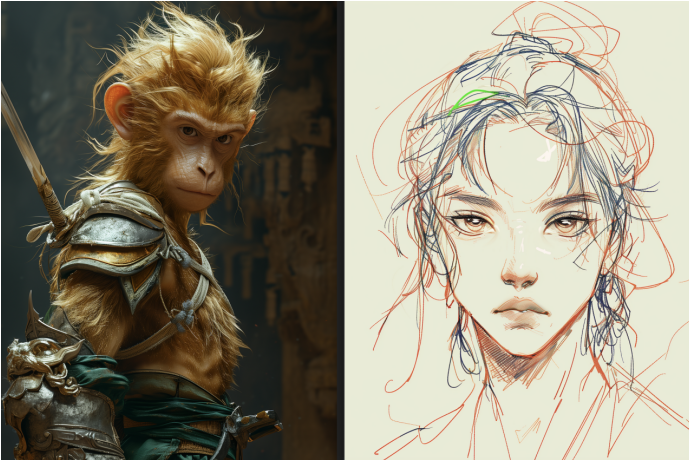
An animated character created by the author using AI.
CGGE: With the introduction of AI technology in script-writing, will AI production replace traditional animation script-writing? What is its biggest impact on the industry?
Terry:We must acknowledge that AI is an efficient worker with a vast knowledge reserve. However, humans remains the fundamental factor that imbues work with distinctiveness. Script writing should not be treated as a literary work that can be mass-produced and industrialized, as each script embodies the writer’s unique perspectives and emotions. These are precisely where differences between AI and human writers arise. Though, we can approximate the writer’s style through extensive AI training, it is crucial to preserve the writer’s emotional connection to the characters in the script. In most cases, we respect established creative methods, techniques, and principles, but human writers often transcend these boundaries. AI operates within predefined rules and frameworks, producing content that rarely contains errors but may lack exceptional creativity. Of course, many human writers also find it challenging to produce outstanding works. Therefore, AI-generated script may surpass those of most individuals; and at the meanwhile, it seems that AI render some human writers’ efforts less meaningful.
The review of the script is a heavy and time-consuming work. But AI can improve the reading speed with countless times, and find out potential problems in the script. Especially for the many production companies, investors, and relevant staff of script selection can do preliminary pitching very quickly. During 30 seconds, AI can be very comprehensive evaluation of the script and pointing out the existing problems and the potential for further development. Of course, during this process, you can also let AI provide you with modification suggestions, which perhaps the writer may not fully agree from their perspective. AI does indeed find the actual problem, whether it can be accepted or not, it depends on the scrip-writer. From this point of view, during script-writing, the script doctors is necessary. AI can play a very good auxiliary role, and writers can also use AI to review their own scripts as AI will not treat you differently because of your own emotions. Although AI can speak very politely about the problem, it may please you, and it may be exactly what you need, but it does not affect the root of the problem.
Human capabilities are often limited and difficult to take into account many aspects . In the film and television industry, directors are typically required to possess multi-dimensional skills, while scriptwriters need to develop multiple competencies. The fundamental difference lies in whether they possess directorial thinking and visual intuition. Writing skills, methods, and rules are not particularly complex. Directors transform literary works into audio-visual language by expressing and telling stories through lenses, visuals, and sounds, whereas literary works rely on words. Like the novelists and scriptwriters are different in context situation. AI undoubtedly holds advantages, potentially becoming proficient or even expert-level workers in any field, which is challenging for humans to achieve. Therefore, the replacement of artificial intelligence seems inevitable, especially in the film and television industry.
For a simple example: if I need more than one person to create a story, I can use tools such as ChatGPT, Wenxin Yiyan, and Doubao as my assistants. At the same time, I also find several AI creation tools and define them into different roles, and then I can create stories together through voice, discuss stories, and output stories. In this way, you have a team to work with. The cost of AI is probably the cost of subscription which is extremely low. My own work has become a leading creation, while a lot of thinking, text work which AI can perfect replace. In the figure below, I used two different AI tools to discuss the setting of a certain role with them at the same time, and They will think independently and give their own ideas based on their different models and knowledge backgrounds.
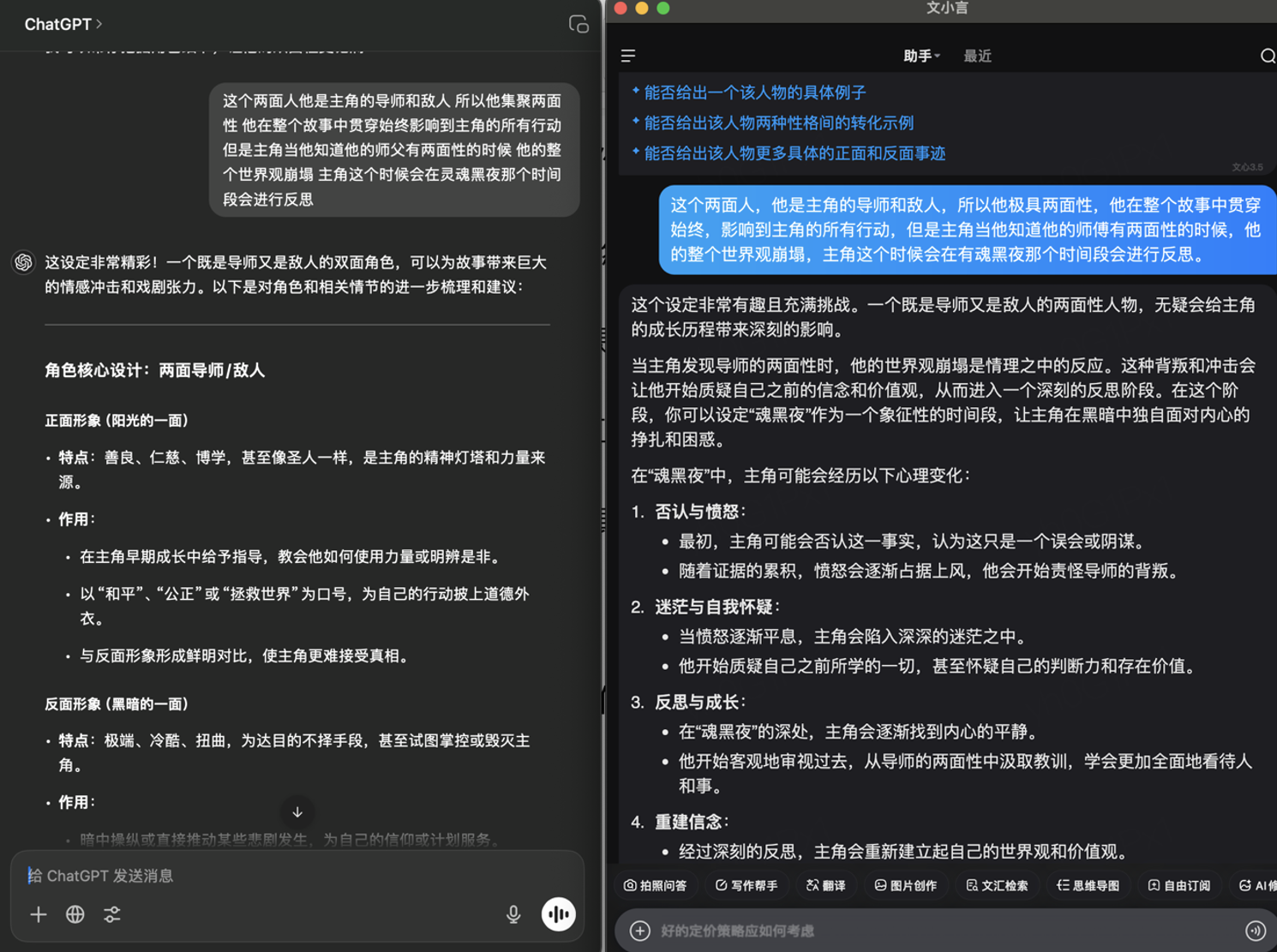
In order to get closer to the requirements of industry regulations, we also need to access AI’s API in your script writing tools, and combine AI tools with writing tools (Final Draft, Causality, Word, etc.), so that the finished products can meet your technical requirements.
CGGE: What do you think about the dispute over copyright ownership of original screenplay creation and AI creation?
Terry:First and foremost, AI serves as a tool. The writer who utilizes AI tools to generate a script should retain ownership of the creation. It is imperative that writers adhere to ethical standards and avoid obvious infringement, plagiarism, or any form of unauthorized content in their work. Creativity inherently involves originality, and there are no strict boundaries defining what constitutes plagiarism. Therefore, writers must uphold basic professional ethics.
Then, with AI assisting in script writing, it provides a broader range of materials for consideration, but ultimately, it is up to humans to decide which materials to use and how to arrange them. Whether it is a visual work created by AI or a textual work that may involve copyright issues in the future, legal definitions of ownership can vary significantly across different countries. However, from the perspective of division of labor, works created using AI should belong to the writer. In essence, AI replaces humans largely in the initial stages of extensive and complex data collection, summarization, refinement, and research. While writers write based on these data and input the emotions which AI cannot replaces. Works that genuinely resonate with audiences are those imbued with the author’s emotions and efforts.
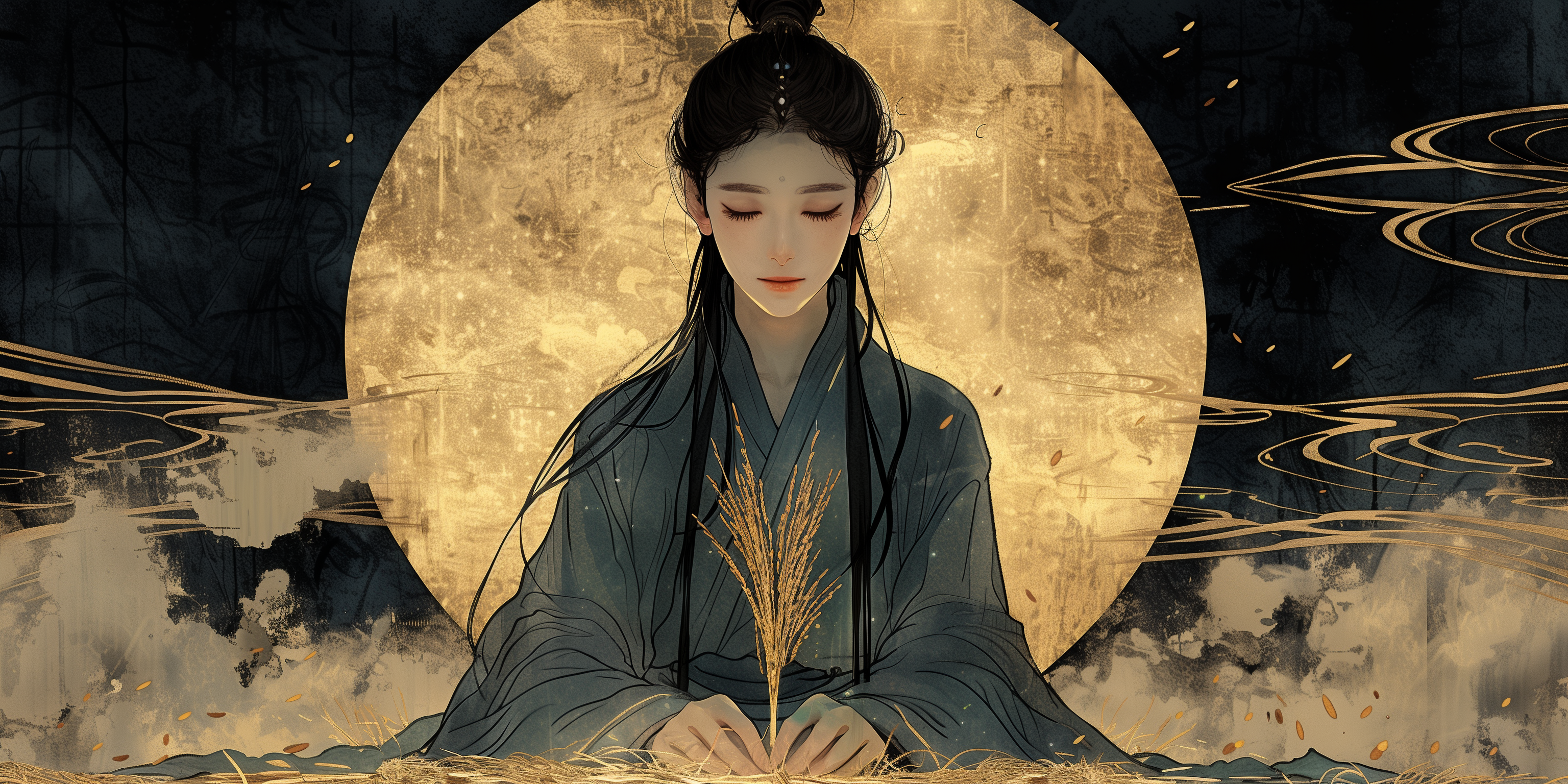
An animated character created by the author using AI.
CGGE: What opinions and suggestions do you have for newcomers who want to be a scriptwriter regarding career planning and development?
Terry:In such an era of information equality, it may be common for latecomers to surpass the predecessor. The predecessor no longer have the advantage of information. So for newcomers, the most important thing is practice. Works will always be the foundation of this industry.There are not so strict requirements for background. What is important is the works. No matter which school or faction, The works will speak for you. Only by calming down and writing steadily can you have a healthy career development. Therefore, my advice is to write, write, and write! There is no secret to success or speed-up success. With AI, you can increase the speed of your work production exponentially, and you can aslo produce more works in the same time.
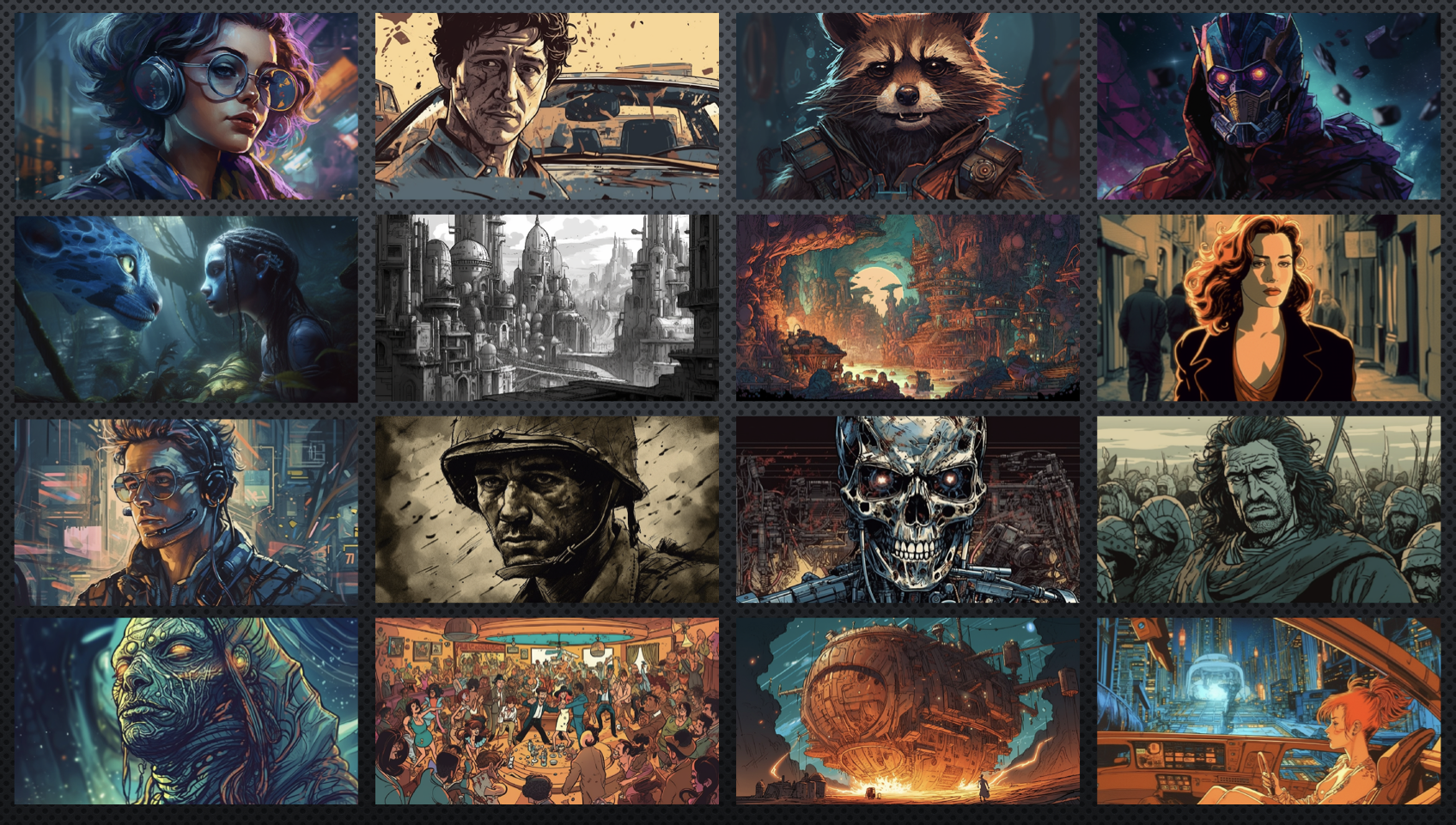
Below, it’s the film images the author created by AI
熱門頭條新聞
- AI Man-Drama Enters “Licensed Operation” Era, Copyright Ownership Becomes Core for High-Quality Domestic Animation Development
- New European Animation Licensing Paradigm — Early-Stage Integration Fuels Long-Lived Animated Franchises
- Insight ’26 — Inaugural Post-Production & VFX Business Conference to Take Place in London
- Gods, Death & Reapers Gains Global Spotlight
- Yahoo Quietly Rebuilds Its Games Business: Daily Web-based Casual Games Open A New Growth Trajectory
- gamescom asia × Thailand Game Show 2026 Returns to Bangkok
- TIGA Submits Autumn Budget Proposals, Calls for Enhanced Video Games Expenditure Credit (VGEC) to Boost UK Games Industry
- Call for Entries Opens for FFAA 2027