Full Industrial Chain Globalization Reshapes the Development Landscape of Chinese Animation
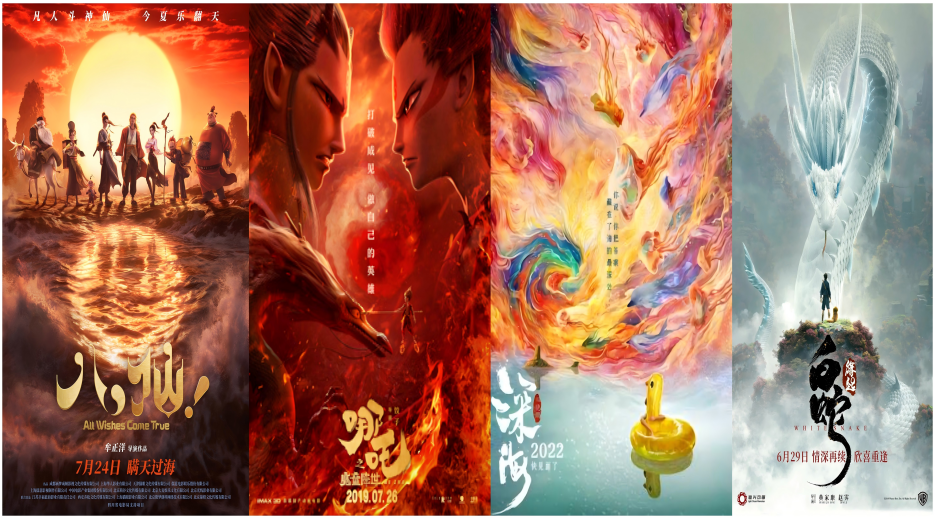
2026 marks a critical watershed for the global expansion of China’s animation industry. Chinese animation has completely abandoned the early model of single-title copyright licensing, and evolved into systematic global export integrating animated films, series, vertical comics, AI comic dramas, trendy toys and cultural tourism. Blockbuster IPs including All Wishes Come True (Ba Xian!), Ne Zha: The Devil’s Birth and Lord of Mysteries have debuted worldwide, profoundly reshaping the future development trajectory of domestic animation from four dimensions: industrialized production, content creation logic, commercial monetization system and cultural communication path. The sector is shifting from blind traffic expansion to sustainable value growth.
1. Overseas Expansion Accelerates Full Industrialization of Chinese Animation
Strict global distribution standards have pushed domestic animation to upgrade industrial and intelligent production systems, eliminating outdated workshop-style workflows.
- Globalized Top-Tier Visual Standards Chinese animated hits such as All Wishes Come Truehave been released in North America, Europe and Australia. Rigorous requirements from overseas cinemas and streaming platforms have standardized domestic 3D modeling, rendering and cinematography workflows. The industry has formed a unique oriental visual system digitizing green landscape paintings, ancient murals and ink wash aesthetics, building differentiated competitive advantages against Japanese, Korean and Western animation. Chinese visual effects have officially reached global top-tier standards.
- AI Becomes Core Industrial Productivity Cross-border multilingual localization used to take months; with generative AI, intelligent dubbing and digital human annotation tools, localized versions for Oceania, Europe and Southeast Asia can be finished within days. AI covers full links from scriptwriting, storyboarding to multilingual adaptation, lowering overseas entry barriers for small & mid-sized studios. The whole industry reaches a consensus: creativity first, technology auxiliary, avoiding over-reliance on AI that erases native cultural characteristics, and building standardized human-AI collaborative pipelines to fill gaps in domestic self-developed animation software.
- Digital Platforms Build Integrated Overseas Distribution Networks Major platforms including KuaiKan Comics, Tencent Video and iQiyi no longer merely export finished content. They have built local creator communities, overseas marketing teams and cross-border distribution channels, enabling mass export of vertical comics and long-form animation series and unlocking new digital growth tracks independent of offline theaters.
2. Full IP Ecosystem Restructures Commercial Monetization & Industrial Chains
A decade ago, overseas revenue of Chinese animation solely relied on single film copyright fees. Currently, an integrated ecosystem of online literature, animation, games, trendy toys and cultural tourism has taken shape, revolutionizing profit models and extending IP lifecycle.
- Upstream Integrated IP Supply Online literature continuously delivers original IPs for animation adaptation, while animation visualizes stories and Chinese-style games provide immersive cultural experiences. The synergy solves industry pain points such as over-reliance on public IPs and shortage of original premium content, guiding long-term original development.
- Three-Dimensional Global Synchronized Release Matrix A multi-channel global layout has been formed: animated feature films target offline cinemas in Europe, America and Oceania; long animation series dominate streaming platforms in Southeast Asia and Japan; lightweight vertical comics & AI dramas adapt to short-video traffic worldwide. Lord of Mysterieslaunched simultaneously in seven languages and the staggered global release schedule of All Wishes Come True prove multi-channel distribution maximizes global IP revenue.
- Downstream Derivatives & Cultural Tourism Expand Industrial Boundaries Leveraging trendy toy industrial clusters and digital cultural parks, animation IPs extend to figure merchandise, intangible cultural heritage derivatives, immersive theme parks and study bases, breaking the single revenue model dependent on box office. The full-value chain fosters new sub-sectors including animation production, cross-border cultural creation and overseas operation, expanding industrial business space and employment.
3. Cross-Cultural Communication Reshapes Core Content Creation Logic
Cultural gaps in global markets drive revolutionary updates of narrative frameworks, establishing clear creative directions for domestic animation.
- Universal Emotion-Driven Lightweight Storytelling Traditional Chinese animation often faced comprehension barriers due to complex immortal legends and heavy historical allusions. Hits like All Wishes Come Trueset an industry benchmark: breaking the cliché of omnipotent immortals, the story centers on flawed, mortal protagonists, building cross-cultural bonds via shared themes of solidarity, growth and kindness, while preserving core oriental ethics and folk culture without catering to overseas aesthetics at the cost of native roots.
- Segmented Creation for Diversified Global Markets Audience preferences differ vastly across Europe, America, Japan, the Middle East and Latin America. Developers now tailor content by region: family-friendly myth animations for Western markets, lightweight AI dramas for Southeast Asia, and wuxia/xianxia stories for Japan & South Korea. Segmented development spurs vertical premium production and eliminates homogeneous low-quality content.
- Shift from Visual Spectacle to Narrative Depth Overseas market feedback verifies that mere visual effects cannot sustain long-term IP vitality. The industry will prioritize script polishing and character building, making technology serve storytelling and transforming Chinese animation from short-lived visual hits to culturally profound long-cycle IPs.
4. Existing Industry Pain Points & Long-Term Upgrade Roadmap
Global competition exposes core bottlenecks, outlining key priorities for high-quality development:
- Improve Localized Overseas Operation Capacity Most small animation studios lack stable overseas distribution channels and face high cross-border piracy protection costs. The industry will expand international animation cooperation platforms, cultivate interdisciplinary talents with animation creation and global market expertise, and streamline worldwide distribution pipelines.
- Establish Global-Aligned Content Rating & Compliance Systems Divergent animation rating rules across regions create high entry barriers for overseas theaters. Domestic practitioners will develop international-compatible rating standards and optimize localized editing procedures to reduce global release obstacles.
- Balance Technological Innovation & Original Cultural Creation Regulations will clarify boundaries for AI creation to avoid dilution of ink wash, wuxia and folk cultural symbols. Original content protection mechanisms will be rolled out to guide sustainable development based on cultural inheritance empowered by digital technology, shifting the industry from short-term traffic-oriented overseas expansion to long-term cultural value export.
5. Far-Reaching Industrial Value of Global Animation Export
The full-chain globalization of Chinese animation brings three core transformative impacts on the domestic sector: First, it drives comprehensive industrial upgrading, as strict global standards standardize the whole creation, production and distribution workflow; Second, it reconstructs the IP value system, extending IP lifecycle and lifting the overall profit ceiling of the animation industry; Third, it builds globally recognized differentiated oriental aesthetics, stimulating coordinated growth of digital cultural creation, trendy toys and cultural tourism, and strengthening China’s global competitiveness in digital cultural industries.
Industry insiders reach a unified consensus: overseas globalization has become the core growth engine for high-quality Chinese animation. Only by integrating content creation, digital technology, commercial monetization and global operation, and polishing original works with universal human emotions and unique oriental charm, can Chinese animation sustain its global cultural influence.
熱門頭條新聞
- Full Industrial Chain Globalization Reshapes the Development Landscape of Chinese Animation
- Global Top-Grossing Mobile Games in H1 2026: Honor of Kings Tops List with Over $1 Billion Revenue, Chinese SLGs Secure Top Three Spots
- Blockbuster Korean Webtoon IP Tomb Raider King to Adapt into TV Anime, Setting New Benchmark for Global Korean IP Development
- VS Animation! Returns to Montevideo for Ventana Sur 2026;
- Apple Pushes Back Heavily Against UK CMA’s Proposed App Store External Payment Steering Rules
- Sony Pictures Commits Massive $40M Global Marketing Push for India’s Most Expensive Epic Film Ramayana
- Russian Mobile Market Enters High-value Growth Phase; Chinese Developers Lead Foreign Advertisers with Unmatched Long-term Advantages
- AI Restructures Global Game Operation Paradigm in 2026: The Industry Shifts from Blind User Acquisition to Full-Link Long-Term Revenue Monetization