Apple Announces Major Leadership Change: Tim Cook to Step Down as CEO in September, John Ternus to Take Over and Lead a New Technology Cycle
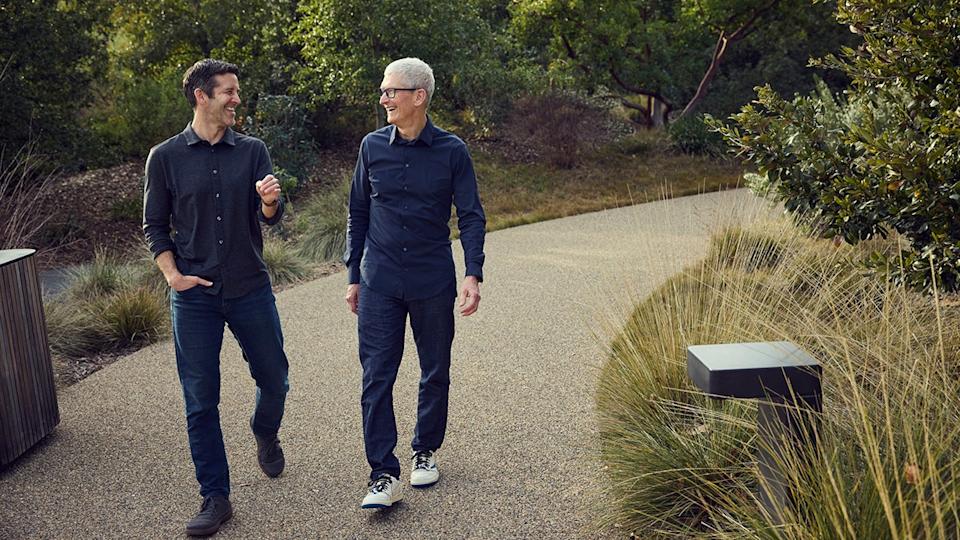
April 20, 2026 – Apple Inc. has officially announced a major shake up in its leadership: current CEO Tim Cook will step down this September and assume the role of Executive Chairman. John Ternus, currently Senior Vice President of Hardware Engineering, will take over as CEO. This marks Apple’s first core leadership transition in nearly 15 years, drawing intense attention from the global tech industry and capital markets.
- The 15-Year Cook Era: A Business Empire at Its Peak, Market Cap Grows More Than 10 Fold
Since taking the helm from Steve Jobs in 2011, Tim Cook has led Apple for 15 years, steering the company from a beacon of innovation to a commercial giant. During his tenure, Apple’s market capitalization soared from approximately 350billiontoover350billiontoover4 trillion, while annual revenue grew from 108billionto108billionto416 billion. The company now has more than 2.5 billion active devices worldwide, making it one of the most valuable companies on the planet.
Known for his expertise in supply chain management, global operations, and service ecosystem building, Cook transformed Apple from a hardware centric manufacturer into an integrated “hardware + software + services” empire. Revenue from services such as the App Store, Apple Music, and iCloud has become a core growth engine. At the same time, he built a stable and efficient global supply chain that has helped the iPhone, iPad, Mac and other products maintain their market leadership.
- New CEO John Ternus: A 25 Year Hardware Veteran, a Technologist at the Helm
John Ternus, age 50, is a seasoned Apple insider. He joined the company in 2001 and has 25 years of hardware engineering experience. He led the development of many flagship products including the iPhone, iPad, Mac, and AirPods, and drove the transition from Intel processors to Apple’s own M series chips. Ternus is one of the key architects of Apple’s hardware ecosystem. A mechanical engineer by training, he combines deep technical expertise with cross team coordination skills. Cook has described him as “having the mind of an engineer and the soul of an innovator,” and he is widely recognised within Apple as the “perfect successor.”
This transition is accompanied by other management adjustments: Johny Srouji will become Chief Hardware Officer, taking over Ternus’s former hardware engineering division to ensure continuity in hardware development.
- Core Impact on Apple: Present and Future
(A) Short term: Smooth transition, strategic continuity
Analysts at Morgan Stanley and other institutions view this handover as an orderly internal succession rather than a disruptive change. In the short term, Apple’s core strategy will remain stable: its vertical integration of hardware, software, services and chips will continue, as will its annual $80 100 billion share buyback program, mid single digit dividend growth, and small to medium acquisition philosophy. Tim Cook staying on as Executive Chairman will provide ongoing strategic guidance and support for Ternus, helping to ensure smooth progress on key matters such as Apple’s AI strategy and new iPhone launches.
(B) Long term: Shifting focus to technological innovation, hardware intelligence as core
Innovation model reshaped: The approach will shift from the Cook era “steady iteration and service monetisation” to a Ternus led “technology driven, hardware intelligent” direction, ending “incremental upgrades.” Resources will be tilted toward hardcore R&D, potentially accelerating the launch of disruptive products such as a foldable iPhone, affordable VR/AR devices, and AI hardware (e.g., AI Pin, smart glasses).
AI strategy accelerated: Apple will seek to close its gap in generative AI, leveraging its hardware strength to deeply embed AI into iPhones, Macs, Vision Pro and other devices, building an “on device AI + spatial computing” ecosystem to catch up with industry leaders.
Supply chain resilience upgraded: While maintaining core production in China, Apple will accelerate a “China + 1 + X” multi centre strategy, expanding assembly in Vietnam and India and building a new chip packaging and testing plant in Mexico to hedge geopolitical risks.
Challenges and concerns: Ternus has a strong hardware background but relatively less experience in software and cutting edge AI models – it remains to be seen whether he can lead Apple to breakthroughs in AI. His low key and reserved style may require time to adapt when dealing with global regulation, international relations and capital market communications. At the same time, Apple continues to face market saturation at the high end, intensified competition from Chinese manufacturers, and rising innovation pressure.
- Industry Outlook: Apple Enters the “Engineer Age”, Reshaping Tech Competition
This leadership transition marks Apple’s official farewell to the “Cook commercial era” and its entry into the “Ternus technology era.” In the years ahead, Apple will seek a new balance between scale and innovation, using hardware as its foundation, AI at its core, and its ecosystem as a moat, all while consolidating its position as a global technology leader. The transition will also serve as an important reference for succession planning and innovation transformation across the global technology industry.
熱門頭條新聞
- Registration Opens for NVIDIA China Developer Day 2026 — A Premier Off line Tech Gathering for AI Developers in Suzhou
- Giving Back To The Industry: Nova Games Foundation Officially Launches To Empower Next Generation Game Creators
- Cozy Narrative-Driven Adventure Cat Secretary Launches on November 4th!
- Overwatch Rush Begins Soft-Launch in Southeast Asia, Blizzard Explores New Global Path for IP based Mobile Games
- GungHo to Shut Down Disney Pixel RPG on September 30, 2026
- Decorado: Alberto Vázquez on the Journey from Animated Short-film to Feature-length Animation
- CICF×AGF Guangzhou Anime-Game Festival: Greater Bay Area ACG Grand Event Lights Up National-Day Holiday
- Merge Mobile Game Sector Outlook 2026: Merge-2 Drives Robust Growth Amid Opportunities & Challenges