Venice Releases New Data on Gender Gap in European Film Industry
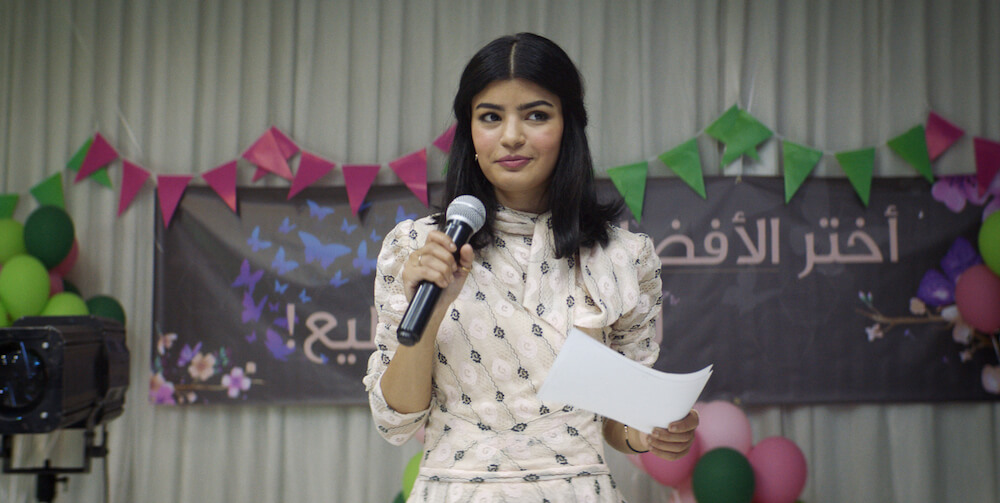
The Venice Film Festival tried to take a concrete step toward promoting gender parity in film by hosting a panel Monday at which a wide range of data on the situation in Europe was provided that could provide a baseline for further action at an industry level.
In some of the key findings:
– 29% of projects funded by Eurimages, the pan-European co-production fund, in 2018 were directed by women.
– about 22-23% of submissions to the Venice fest came from women, and the percentage of works by female directors at the festival this year is 25%.
– in Italy, 20% of films that get government funding are directed by women, up from 11% in past years.
The numbers disclosed at the packed panel, titled Seminar on Gender Equality and Inclusivity in the Film Industry, came from three sources: Eurimages; the Biennale, which is the Venice Film Festival’s parent organization; and the film department of Italy’s culture ministry.
One of the key themes indicated by the figures is that there is a huge gap in terms of the budgets that women directors get to work with.
Almost 25% of eligible films submitted to Eurimages by male directors had budgets of more than $5.5 million, compared to just 9% of those submitted by women. Female directors are much more represented in movies with budgets under $3 million.
Eurimages is aiming for 50-50 parity by 2020 by providing extra points to projects with various types of female-related elements.
The pay gap is another major sore spot. In Italy there is an 11% gap in the fee to direct a feature film between men and women. Also in Italy there is not a single animation film directed by a woman.
Some other interesting facts: Sweden has achieved gender parity in providing government support to film projects.
Among different types of jobs on the creative side of filmmaking, the one with the lowest percentage of women is cinematographers. They account for just 15% of the total, according to Eurimages data.
“The point of this whole debate is that we want to obtain better results,” said Gabriella Battaini-Dragoni, deputy secretary general of the Council of Europe, who added: “It’s not a matter of quotas or obligations…but to set guidelines that will drive change.”
Canadian director Mary Harron, New Zealander producer Jan Chapman, and Italian director Susanna Nicchiarelli were among the panelists.
The three-hour event was organized by the Biennale in collaboration with Women in Film, Italy’s #MeToo organization Dissenso Comune and Eurimages.
By NICK VIVARELLI
Source: Variety
熱門頭條新聞
- New AI, New Computing — The 7th AI Computing Conference (AICC2026) Grandly Opens in Beijing
- Germany’s Federal Game Development Funding Programme Allocates €267 Million Over Seven Years, Reshaping Domestic Gaming Industry Competitiveness
- PIF-Backed Merger Proposal Between EA and Savvy Games Could Reshape Global Gaming, With Far-Reaching Impacts on Both Parties’ Businesses
- Farming Camp Demo Expands to PS5, Xbox, Switch & Microsoft Store
- MIPJUNIOR 2026 to Open in Cannes: Full Introduction of Dates, Participation Channels, Core Sessions and Industry Significance
- Chill with You: SHIOI’s Sparkling Scenes – Steam Store Page Is Now Live
- SIGGRAPH Asia 2026 Takes Shape: Distinguished Keynote Speaker Line-up Unveiled
- Apple Completes App Store Leadership Transition; New Management Pursues Higher Margins, Phil Schiller Steps Back From Day-to-Day Operations