Overview of the Female-Oriented Game Market in 2025: Leading Titles Consolidate Dominance, Emotional Companionship Value Deepens, and AI Technology Poised as Next Breakthrough
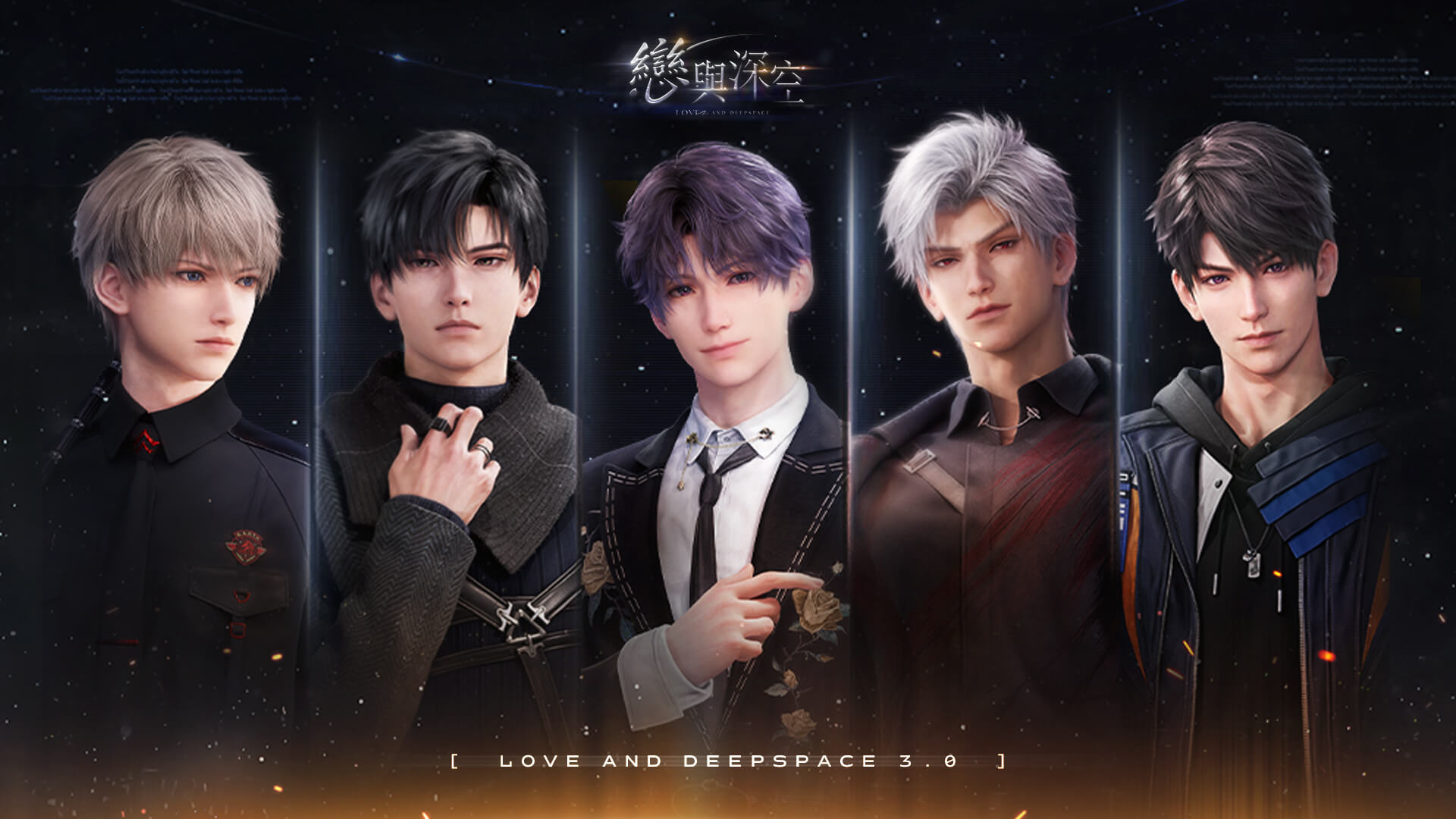
In 2025, the female-oriented game market displayed a seemingly contradictory yet logically aligned trend with the industry’s developmental stage: despite the absence of any new blockbuster phenomenon, the market remained vibrant. Instead, under the consolidated “one dominant, several strong players” landscape, the commercial value and social influence of leading titles were further explored and recognized. Mature products such as Love and Deepspace, A Painter’s Journey Through Time, and Tears of Themis have not only solidified their market positions through continuous content development, emotional engagement, and IP expansion but have also collectively shaped the core themes and future vision of the female-oriented game sector.
1. Market Structure: Dominance of Leading Titles, Challenges for New Entries
Throughout 2025, revenue in the female-oriented game market remained highly concentrated among a few top-performing titles. For example, Papergames’ Love and Deepspace, with its 3D immersive romantic experience and consistent content updates, consistently ranked at the top of domestic revenue charts and achieved notable success overseas, becoming a significant benchmark for Chinese female-oriented games expanding globally. Meanwhile, titles such as NetEase’s A Painter’s Journey Through Time and miHoYo’s Tears of Themis maintained strong vitality and user loyalty through steady story updates, character development, and player community management, forming a robust “strong contenders” group.
This increase in market concentration reflects, on one hand, the success of refined, long-term operational strategies, where leading developers have built high competitive barriers through accumulated expertise in content production, technical performance, and emotional storytelling. On the other hand, it has made it exceptionally difficult for new products to break through. Although new releases in 2025, such as Under the Night Sky and Code: Sol, attracted periodic attention, none have yet disrupted the existing landscape in terms of public discourse, user scale, or commercial performance. The trend toward homogenization in themes and gameplay, coupled with players’ rising demands for content quality and emotional depth, presents higher challenges for the comprehensive capabilities of new titles.

2. Core Development: From “Emotional Experience” to “Long-Term Companionship,” Content Value Deepens
In 2025, the developmental logic of female-oriented games underwent a profound transformation. The core keywords of industry discussions and player feedback shifted from simple “storylines” and “character design” to “content,” “immersion,” and “companionship.” This marks the sector’s evolution from providing short-term emotional stimulation to building long-term, stable, and trustworthy emotional connections.
-
Content as King, Narrative Deepening: Leading titles consistently deepened and expanded their main storylines, character arcs, and daily narratives. For instance, A Painter’s Journey Through Time continuously broadened narrative boundaries through the interweaving of multiple worldviews and detailed character development, while Tears of Themis delved into the inner worlds of characters and enhanced player emotional resonance within its legal investigation framework. Sustained, high-quality content output has become the cornerstone of player retention and loyalty.

-
Immersion Extension, Boundary-Breaking Experiences: The creation of a “sense of companionship” is no longer confined to digital interactions within games. Online, titles like Love and Deepspace strengthen real-time companionship through frequent character interactions, exclusive voice lines, and holiday greetings. Offline, game IPs extend virtual emotions into real-world spaces through physical exhibitions and themed pop-ups, such as the Shining Nikki anniversary exhibition and the “Heartthrob King” immersive interactive exhibition, creating more tangible and multi-dimensional emotional connection scenarios.
-
Emotional Consumption, Merchandise Empowerment: In 2025, demand for merchandise remained robust. From character figurines and themed apparel to collaborative lifestyle products, players materialize their emotional projections through physical purchases, seeking real-world anchors for virtual relationships. This not only constitutes a significant supplementary revenue stream for developers but also confirms that “companionship” has become a necessity, driving continuous growth in the emotional consumption market.
3. User Ecosystem: Evolving Discussions and Diversified Demands Promote Market Segmentation
As player communities mature and deepen, the discourse and demands of female-oriented game users have become increasingly diverse and nuanced. Discussions around the rationality of character development, narrative perspectives (such as debates between “female protagonist supporters” and “self-insertion advocates”), and emotional logic have become more common and in-depth. These seemingly “divisive” discussions reflect heightened player engagement and differentiated aesthetic demands, pushing the market toward more refined segmentation and niche audiences. This provides space for products with different themes and narrative styles and compels developers to more precisely target their audiences and invest in thoughtful content creation.
4. Future Outlook: Integration of Technology and Exploration of Value
Looking ahead to 2026 and beyond, the female-oriented game sector is expected to exhibit the following trends:
-
Exploration of Emotional Applications of AI Technology: In 2025, several small and medium-sized developers began experimenting with AI-driven emotional companionship applications (such as EVE and Infinite Valley), aiming to offer more flexible and cost-effective companionship experiences through intelligent dialogue, long-term memory, and personalized interactions. Although AI still faces challenges in emotional understanding, content generation quality, and ethical boundaries, as a tool to reduce content production pressure and provide differentiated experiences, it holds promise for complementing traditional narrative-driven products and opening new niche markets.
-
Innovation in Hybrid Gameplay and Themes: Pure romance simulations can no longer meet all players’ needs. Hybrid gameplay products that incorporate elements such as management, deduction, creation (e.g., the crew simulation and AI-generated content in Quantum Leap: Mi Le Guang Nian), and traditional culture (e.g., the anthropomorphized tea culture in Ben Cha Gang Mu) have emerged, aiming to offer richer gameplay and cultural value alongside emotional storylines.
-
Further Emphasis on Social Value: As highlighted in the Female-Oriented Games Research Report, the social functions of female-oriented games—such as providing emotional support, promoting traditional culture, and fostering positive values—are increasingly recognized. In the future, alongside commercial success, how products better fulfill social responsibilities and cultivate healthy, positive community cultures will become an important measure of their long-term value.
Conclusion
2025 was a year of stability and transformation in the female-oriented game market. The success of leading titles validated the value of emotional depth and long-term operations, while the exploration of new products and technological experimentation pointed to greater future possibilities. Driven by players’ growing emotional needs and aesthetic expectations, this sector is evolving toward greater maturity, segmentation, and depth. Whether for traditional developers deepening narrative content or innovative teams exploring technological frontiers, only by genuinely understanding and respecting the emotional world of female players can they secure a place in future competition.
熱門頭條新聞
- Zoland Animation Sets Benchmark with “IP+Tech+Cultural Tourism” Integrated Model;
- New Action RPG Guardian Maiden Announced for Worldwide Release on PC and Mobile
- Alpha Nomos Brings Its Beat-Synced Combat to PlayStation 5 & Xbox X/S
- Crystal of Atlan Summer Fest Returns With New Content to Explore in Seaside Reverie
- A cozy flower garden in the corner of your screen: BuGarden out 22nd September!
- Record-Breaking Malaysian Animation Papa Zola The Movie Kicks Off Major Global Rollout; Authentic Local Storytelling Captures Worldwide Attention
- Evolution of Game Monetization Maps Global Investment Trends;
- Human Fall Flat Celebrates 10 Year Anniversary Alongside 60 Million Players