Heritage and Renewal: Opening of Meiyingyuan-Shanghai Animation Space, Exploring Development Path for Chinese-language Animation
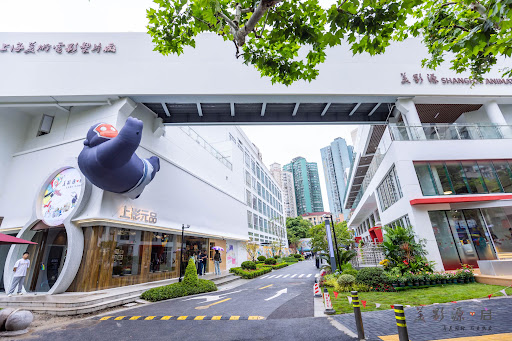
On June 18 2026, Meiyingyuan (Shanghai Animation Space) officially opened at No. 618 Wanhangdu Road, Jing’an District, Shanghai. The site was the former home of Shanghai Animation Film Studio, widely recognized as the birthplace of Chinese animation. Iconic works such as Havoc in Heaven, Nezha Conquers the Dragon King and Tadpoles Looking for Their Mother were created here, giving rise to the world renowned “Chinese Animation School” artistic tradition. After comprehensive renovation and industrial upgrading, the historic factory compound has been transformed into an open-style animation block and industrial eco park that integrates cultural heritage, digital technology, IP operation and immersive experiences. Beyond a physical renewal of buildings, it embodies profound industry level reflection on the future direction of Chinese animation in the new era.
Site Overview & Core Cultural-industrial Layout
The Chinese name “Meiyingyuan” carries two layers of meaning: it stands for the historical source of Chinese animation creation, as well as the driving force powering the future growth of domestic animation. Phase one operation kicked off on June 19. The compound combines historic legacy, art exhibitions, cutting-edge technologies and cultural consumption.
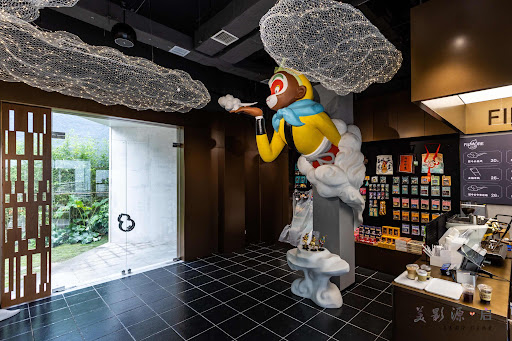
Scattered across the campus are art installations of classic animation figures including the Monkey King from Havoc in Heaven, Nezha, Nine colored Deer, and the Ape Monster from Yao-Chinese Tales. Beloved screen characters from generations of Chinese memories step out of films and become publicly accessible cultural landmarks for visitors.
Three flagship thematic exhibitions are presented. Frames-Origins: Special Exhibition of the Chinese Animation School by Shanghai Animation Film Studio retraces the evolution of Chinese animation, displaying precious original drawings and showcasing diverse artistic languages including ink-wash, paper-cut, puppet and origami animation distinctive to the Chinese Animation School. The Seventy-two Realizations art exhibition by Huang Xiaomien explores innovative contemporary interpretations of traditional IP for young audiences. The Havoc in Heaven XR Immersive Exhibition leverages XR interactive technology to shift experience from “watching animation” to “stepping inside animation”, revitalizing classic intellectual property assets via digital tools.
For cultural consumption, Shangying Yuanpin Flagship Store, Shanghai Film Group’s first integrated IP culture and social experience venue, opens within the park. It combines cultural-and-creative retail with thematic art displays, building a bridge bringing classic animation IP from the silver screen into everyday public life. Meanwhile, multiple sci tech driven industrial projects are launched: the “IP + AI Smart Hardware” strategic cooperation between Shangyingyuan and JD Technology, the Shangying Oriental 16K Ultra-HD Content Lab, and the Shanghai sub venue for the 3rd Global AI Visual Creativity Contest (VACAT). Advanced technologies including AIGC, ultra-high-definition production and XR are embedded across the full animation industrial chain.
Profound Significance of Meiyingyuan: Looking Back and Answering Era-defining Questions for Chinese Animation
First and foremost, Meiyingyuan fulfils the mission of cultural inheritance. The historic Chinese Animation School built its unique national-style language rooted deeply in traditional Chinese culture. As the industry evolves rapidly today, how to carry forward the craftsmanship of veteran animators and preserve national aesthetic identity has become a vital question for domestic animation. Through physical exhibits, archival materials and creators’ stories, the park preserves precious industry memory and offers a real world venue for new generation creators to learn from past masters. Veteran directors Zhou Keqin and Chang Guangxi attended the opening ceremony and presented hand drawn congratulatory artworks, a vivid symbol of this spiritual heritage passing from one generation to the next.
Secondly, Meiyingyuan explores a viable path for Chinese-language animation: combining cultural heritage, cutting edge digital technologies and full cycle IP operation. Domestic animation has long faced structural challenges: many excellent creative titles fail to sustain influence after theatrical release, with fragmented industrial chains preventing classic cultural assets from translating into long term industrial value. Breaking the boundary that confines animation merely to screens, Meiyingyuan forms a complete closed loop system covering content creation, technological empowerment, offline experience, derivative consumption and talent incubation. While safeguarding cultural heritage, it embraces AI, XR and ultra HD innovations to enable creative adaptation and renewal of classic IP, unlocking both cultural and commercial value for legacy works in contemporary society.
Moreover, it builds a multi way bridge linking industry practitioners, independent creators and general public. More than an industrial incubator for professionals, it is an open public cultural district for citizens. Ordinary visitors may visit exhibitions, try XR experiences and purchase cultural merchandise to engage with animation art. Meanwhile, creators and enterprises gain physical space for demonstration, collaboration and technical experimentation, enabling mutual reinforcement between public cultural consumption and industrial innovation.
Industry Outlook: Marching toward New Heights of Domestic Animation from Historical Roots
Decades ago, pioneers at Shanghai Animation Film Studio adhered to the spirit of “do not imitate others, do not repeat yourself”, creating original oriental animation aesthetics. Today, domestic animation output keeps growing, yet the sector still seeks balance among commercial market performance, artistic expression and indigenous cultural identity. Meiyingyuan delivers valuable insights: the future of Chinese animation lies neither in simple repetition of old classics nor blind imitation of overseas models. Instead, it requires rooting firmly in native cultural heritage, making good use of digital technology tools, perfecting full life cycle IP management, and balancing artistic pursuit with sound industrial development, allowing traditional cultural genes to thrive within contemporary narratives, new technologies and emerging business formats.
Meiyingyuan is both a memorial site honouring history and an experimental hub for the future. Through the rebirth of a former factory compound, it reminds the animation community: only by remembering where we came from can Chinese language animation embrace broader possibilities ahead.
熱門頭條新聞
- Heritage and Renewal: Opening of Meiyingyuan-Shanghai Animation Space, Exploring Development Path for Chinese-language Animation
- Gun Fu action game SPINE comes to PC and consoles in Summer 2027
- THE WORMS ARE RETURNING IN A BRAND-NEW ADVENTURE IN WORMS: GALACTIC TACTICS
- Lexar Unveils Muse, the World’s Thinnest Portable SSD, at IFA 2026
- Unleash Your Inner Raccoon Menace: Dumpster Gang Announced for December Launch on PC.
- Chongbai Dreamery Officially Opens: Legacy Department Store Transforms into ACG Complex, Boosting Local-Business and Domestic-Animation Influence
- gamescom 2026: Record figures and top-level politics
- Maximum Entertainment Announces Hollywood Hustle, a Cozy Scavenger Adventure Through Hollywood’s Abandoned Backlots