Global Game Worker Unions Gain Momentum: Cross-Border Alliances Drive Workplace Reform Across the Industry
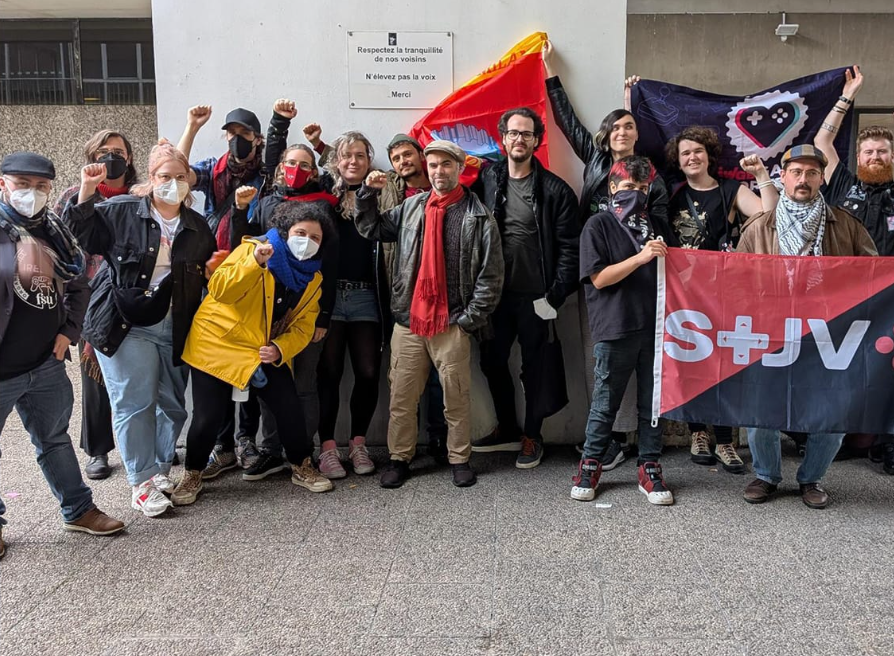
A wave of labor rights advocacy is sweeping the global gaming industry. Centered on the Game Workers Coalition, an expanding transnational network of labor groups and trade unions across North America and Europe is joining forces to tackle longstanding industry issues including unpaid overtime, arbitrary layoffs, workplace discrimination and inadequate employee benefits. Committed to fair compensation and job security, these organizations are striving to build healthier working environments. An increasing number of game workers are uniting to form unions and launch collective campaigns, giving rise to a cross-regional labor movement that aims to overhaul employment practices within the sector.
The Game Workers Coalition functions as an international communication hub for labor organizations and trade unions in the gaming field. Operating as a decentralized network, it connects grassroots labor initiatives throughout North America and Europe. Partnering with key regional bodies such as France’s STJV and the UK’s IWGB Game Workers Union, the coalition coordinates joint actions against pervasive crunch culture, frequent mass layoffs and insufficient healthcare coverage. It facilitates information sharing and collaborative efforts to consolidate the collective strength of game workers worldwide.
Regional trade unions across Europe and North America have taken on distinct roles and grown in influence, serving as the backbone for protecting local employees.
In North America, the United Video Game Workers (UVW-CWA) stands as one of the leading direct-join unions in the United States and Canada. It represents full-time staff, freelancers and laid-off workers across the gaming sector. The union advocates for mandatory advance notice prior to layoffs and improved severance packages. Amid the rising adoption of artificial intelligence in game development, it also fights to secure workers’ right to participate in and regulate AI application, preventing technological progress from undermining labor interests. Major entertainment unions including IATSE have also stepped into the gaming industry, launching dedicated initiatives to negotiate better overtime pay, continuous healthcare benefits and anti-discrimination protections, while standardizing employment contracts.
The IWGB Game Workers is the largest game worker union in the United Kingdom. Its membership spans full-time employees, contractors, freelancers, temporary staff and students engaged in the gaming field. The union highlights critical workplace problems: unpaid overtime has become commonplace, while only a small portion of workers receive proper overtime compensation. Workplace bullying and gender discrimination also remain severe issues. To address these problems, IWGB Game Workers is firmly opposed to crunch culture and advocates for a diverse and inclusive workplace free from barriers related to gender or background. Meanwhile, Bectu has established a dedicated Games Workers Branch to curb excessive working hours and opaque employment terms. It promotes transparent salary systems and safeguards the legitimate rights of freelancers and junior employees through collective bargaining.
France’s Syndicat des Travailleureuses du Jeu Vidéo (STJV) operates as a mutual defense alliance for local game workers. Grounded in national labor laws, it prioritizes collective bargaining and the establishment of unified, fair labor standards across the industry. The union offers legal assistance and protection to employees facing unfair treatment or wrongful dismissal, playing a vital role in maintaining stable employment practices within France’s gaming sector.
In Germany, the ver.di trade union’s Game Devs Roundtable has long focused on the working conditions of game developers. It actively participates in international union exchanges, exploring the value, operation and development of game industry trade unions, and works to align local labor standards with international norms.
These regional unions maintain close cross-border collaboration via joint campaigns, official statements and industry forums to amplify their influence and drive sector-wide changes. The Game Workers Conference, a free public event, serves as a key regular platform. It showcases union campaigns, shares experience in building worker movements and popularizes knowledge about workplace rights, creating a channel for labor groups worldwide to exchange ideas and coordinate actions.
Unionization has accelerated across the global gaming industry. In December 2025, six European game worker unions issued a joint statement, marking a new phase of united labor advocacy across the continent. The signatory organizations include Spain’s Coordinadora Sindical del Videojuego (CGT), Italy’s FIOM-CGIL Milan Work Council, Game Workers Unite Ireland (FSU), the UK’s IWGB Game Workers, France’s STJV and Germany’s ver.di Game Devs Roundtable. Matthias Grzegorczyk, IT Union Secretary at ver.di, elaborated on the necessity and significance of trade unions, reaffirming the shared goal of international labor groups: to stand in solidarity and improve the overall industrial ecosystem.
The gaming industry, known for its creative nature, has long been plagued by problematic employment norms: routine unpaid overtime, opaque salary structures, arbitrary layoffs, widespread discrimination and inadequate protection for freelancers. Many employees have endured overexploitation due to their passion for the industry. Against this backdrop, forming unions and engaging in collective rights protection has become a common choice for game workers around the globe.
The rise of trade unions carries far-reaching implications for the entire industry. For employees, unions provide formal channels to voice demands, turning scattered individual appeals into institutionalized collective negotiations. They effectively safeguard workers’ rights regarding salaries, working hours, welfare and professional dignity, and stabilize precarious employment conditions. For game companies, standardized employment policies help reduce employee burnout and turnover, eliminate toxic crunch culture and support long-term sustainable business growth. For the broader gaming sector, coordinated efforts by cross-border unions are reshaping industry rules. They push gaming enterprises to abandon extensive labor exploitation and shift toward a development model driven by fair employment and creative vitality, laying the foundation for a sustainable and people-friendly industrial ecosystem.
The trend of global solidarity among game workers is irreversible. Led by the Game Workers Coalition, trade unions in Europe and North America will continue to deepen cooperation and expand the scope of their advocacy. Moving forward, labor rights protection, workplace diversity and standardized employment will become core priorities for the global gaming industry. Trade unions worldwide will keep driving the sector toward greater fairness, health and inclusiveness.
Hot News
- Farming Camp Demo Expands to PS5, Xbox, Switch & Microsoft Store
- MIPJUNIOR 2026 to Open in Cannes: Full Introduction of Dates, Participation Channels, Core Sessions and Industry Significance
- Chill with You: SHIOI’s Sparkling Scenes – Steam Store Page Is Now Live
- SIGGRAPH Asia 2026 Takes Shape: Distinguished Keynote Speaker Line-up Unveiled
- Apple Completes App Store Leadership Transition; New Management Pursues Higher Margins, Phil Schiller Steps Back From Day-to-Day Operations
- Apple’s new EU App Store Business Terms Still Violate the Digital Markets Act (DMA).
- Lost and Found Co. Developer Bit Egg Becomes First Game Studio to Win Thailand’s Prestigious Prime Minister’s Export Award
- DRAGONHEIR: SILENT GODS MARKS THIRD ANNIVERSARY WITH COMMUNITY-CREATED HERO AND ORDER VS. CHAOS SHOWDOWN