From Esports Rising Stars to Industry Pillars: Exploring the Path to Professionalization in Competitive Gaming
Introduction
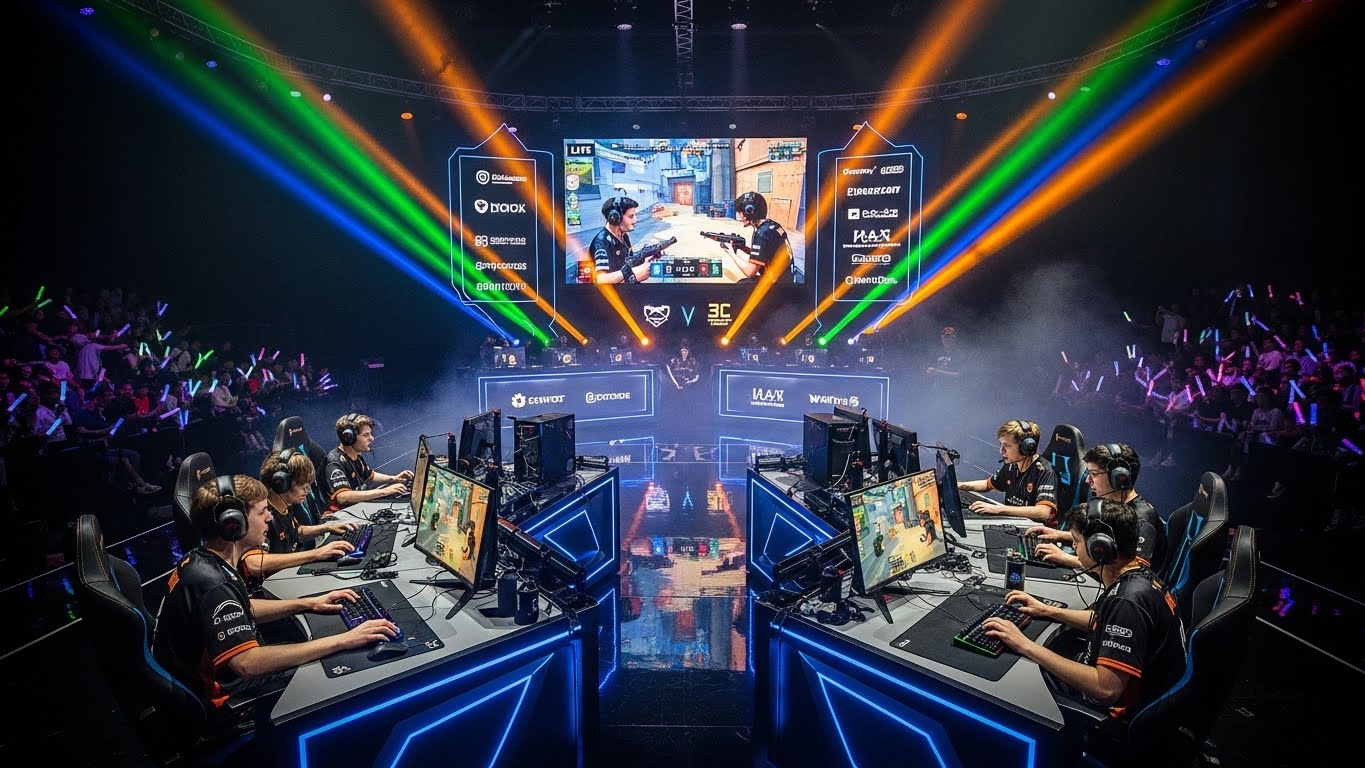
Once considered purely recreational entertainment, video gaming has now propelled the global esports market toward a staggering multi-billion dollar scale. Top players earn millions annually, and major tournaments attract viewership numbers that rival traditional sports. From the League of Legends World Championship to The International for DOTA2, esports has firmly entered mainstream culture, emerging as a dynamic new industry with immense potential. With this explosive growth, a pressing question faces the younger generation: Can esports be a viable, sustainable career path?
This article will delve into the professional ecosystem of esports, uncovering its opportunities and challenges, and provide practical guidance for aspiring individuals.
Part 1: The Rise of Esports – From Basements to Boardrooms
The ascent of esports is no accident. It stems from organized global tournament circuits, lucrative commercial sponsorships, a booming live-streaming economy, and deep support from the gaming industry. With market revenues surpassing $1.5 billion, esports has formed a complete industrial chain involving sponsors, teams, tournament organizers, media platforms, and game developers. University scholarships for esports and governmental recognition of professional player status signify the transition of esports from a subculture to a formal professional field.
Part 2: A Diverse Professional Ecosystem – The Vast Landscape Beyond the Spotlight
While professional players are the most visible stars, the prosperity of the entire ecosystem relies on a multitude of specialized roles. Key career paths include:
Professional Player
Hones skills, strategy, and teamwork through intense training to compete at the highest level. Income sources include team salaries, tournament winnings, commercial endorsements, and personal streaming revenue. Players like Faker and s1mple have become industry icons.
Content Creator / Streamer
Builds a fan community on platforms like Twitch and YouTube through unique personality and quality content. Revenue comes from platform shares, advertising, fan subscriptions, and brand partnerships. This offers a highly autonomous entrepreneurial path for players not at the professional competitive level.
Coach & Analyst
Responsible for designing training regimens, studying tactics, analyzing opponent data, and boosting team morale. This role is often filled by experienced retired players, demanding deep game knowledge, communication skills, and leadership.
Tournament Production & Operations
Encompasses event planning, stage production, broadcast technology, and on-site management. Demand for professional production talent continues to grow as tournaments scale. Major organizers like ESL and DreamHack provide vast opportunities.
Caster & Commentator
As the “voice” of the competition, casters require expertise, charisma, and quick thinking, serving as a vital bridge between the event and the audience.
Esports Marketing & Business Development
Helps teams and tournament organizers secure sponsorships, build brand image, and manage social media. Demand is high as non-endemic brands (automotive, finance, FMCG, etc.) increase investment.
Esports Media & Content Editor
Engages in news reporting, feature writing, player interviews, and other work that shapes industry narratives and culture.
Game Developer & Balance Designer
While not directly part of the esports industry, development teams fundamentally influence the health of the esports ecosystem through game updates and competitive support.
Part 3: Core Competencies for Professionalization
Regardless of the role within the esports ecosystem, the following capabilities are crucial:
Deep Expertise: Profound understanding of game mechanics, tactical systems, or the specific function performed.
Excellent Communication Skills: Essential for teamwork, content creation, and business negotiations alike.
Rapid Learning & Adaptability: Game versions, market trends, and competitive landscapes change swiftly.
Strong Professionalism: Including time management, teamwork, and resilience under pressure.
Ongoing Network Building: Industry connections often unlock unexpected opportunities.
Part 4: Challenges That Cannot Be Ignored
Despite the bright prospects, the path to an esports career is fraught with obstacles:
Short Career Span: The peak competitive age for players is typically between 16 and 25, creating significant pressure for post-retirement transition.
Intense Competition: Very few reach the pinnacle; passion alone is insufficient for most to succeed.
Health Risks: Prolonged training can lead to carpal tunnel syndrome, vision problems, spinal issues, and psychological anxiety.
Income Instability: Apart from top players and organizations, many face volatile or even delayed payments.
Industry Structural Risks: The tournament ecosystem is highly dependent on game publisher support; the decline of a specific title can lead to unemployment for related professionals.
Societal Perception Bias: Despite significant improvement, some traditional views still equate esports with “unserious pursuits.”
Part 5: Building a Sustainable Esports Career Blueprint
For young people determined to enter esports, we recommend the following strategies:
Specialize Deeply: Choose a primary game or a niche (e.g., operations, content, data analysis) and strive for mastery.
Build a Personal Brand: Showcase your expertise and passion through streaming, social media, or a portfolio.
Pursue Systematic Learning & Certification: Consider courses in esports management, digital media, marketing, etc., to obtain industry-recognized credentials.
Actively Expand Your Network: Participate in industry conferences, online communities, and connect with professionals.
Prioritize Physical & Mental Health: Incorporate regular routines, physical exercise, and mental wellness into your daily plan—this is key to career longevity.
Develop a Contingency Plan: Cultivate transferable skills (e.g., video editing, data analysis, project management) to keep career transition options open.
Conclusion
Esports has undeniably become a real and promising professional field. It demands not just talent and passion, but also systematic planning, professional skills, and enduring perseverance. From players to behind-the-scenes roles, each position contributes to the maturation and growth of this young industry.
For a new generation of dreamers, esports is a new frontier brimming with opportunity, yet it requires pioneers to explore it with a rational perspective, a pragmatic attitude, and long-term planning. The path may not be smooth, but for those who truly love it and are willing to invest their intellect and sweat, esports holds the potential to be a solid stage for a fulfilling career.
熱門頭條新聞
- Hong Kong International AIGC Digital Creation Competition 2026
- Beyond Concept Verification: AIGC Film & Video Enters Commercial Realization Cycle in H2 2026
- It’s Time to Reap What You Sow (and Then Throw It!) – Planted! Launches 29th October 2026.
- Award-Winning Composer Cris Velasco and Milan Records Bring the Dark, Nordic Sound of Mistfall Hunter to Life
- ArcheAge S: Strait of Freedom Targets Q2 2027 Steam Launch
- “One City Embodies Three Kingdoms, Half-Step Into Jianghu” Launches in Shanghai — Kaiying Network’s Dual Chinese-Style Game IPs Cross Over With Urban Tourism Festival, Pioneering Game-Culture-Tourism Integration Model
- Registration Opens for NVIDIA China Developer Day 2026 — A Premier Off line Tech Gathering for AI Developers in Suzhou
- Giving Back To The Industry: Nova Games Foundation Officially Launches To Empower Next Generation Game Creators