Approval Numbers Hit Annual High, Is China’s Game Market Entering a “Golden Age”?
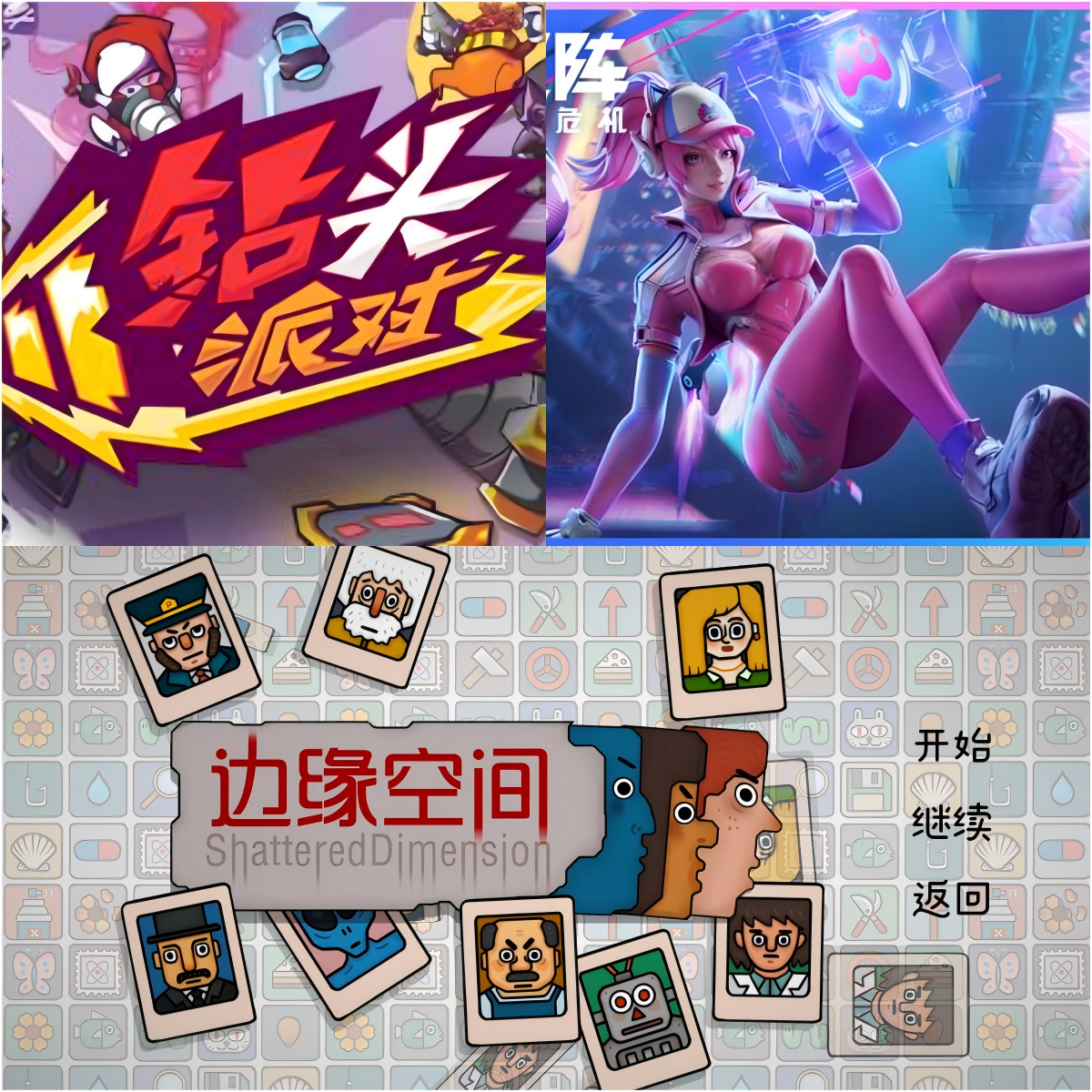
With 173 games approved in a single month, the normalization of license issuance is driving China’s game industry into a new development cycle.
On August 25, the National Press and Publication Administration released the “Approval Information for Domestic Online Games in August 2025” and updated the “Approval Information for Imported Online Games in 2025.” This batch included 166 domestic game licenses and 7 imported game licenses, bringing the monthly total to 173 titles, setting a new record for the year.
This figure shows a significant increase compared to the 146 licenses issued in July, continuing the trend of stable license issuance this year. So far in 2025, the total number of domestic game licenses has exceeded 1,000, far surpassing the same period last year.
Stable Quantity: License Issuance Enters a New Normal
The steady release of license approval information has become a “reassurance” for the game industry. Since the resumption of license issuance in April 2022, the approval process has gradually become normalized and standardized.
In the entire year of 2023, 1,075 domestic game licenses and 98 imported game licenses were issued. In the first eight months of 2025 alone, the number of domestic game licenses issued has already approached last year’s total.
The stability of the approval rhythm provides game companies with clear expectations, allowing them to better plan their product lines and development schedules without having to worry about the uncertainty of license approvals.
Quality Improvement: Transition from “Quantity” to “Quality”
The increase in the number of licenses does not mean a decline in quality. On the contrary, as market competition intensifies, game companies are forced to improve product quality to attract users.
Among the recently approved games, there are many high-quality blockbusters from well-known manufacturers. Taking the games approved in August as an example, they include key products from several listed companies, which generally have higher production standards and stronger market competitiveness.
At the same time, indie games and niche genre games have also gained more space, enriching the diversity of the game market and meeting the needs of different player groups.
Accelerated Global Expansion: Dual Circulation Domestically and Internationally
The stability of the license policy not only promotes the development of the domestic market but also provides a solid foundation for game companies to go global. More and more Chinese game companies are adopting a dual-strategy of “domestic + overseas”.
Obtaining a license means the game can be officially released in China, providing companies with a stable source of revenue to support their overseas expansion. At the same time, feedback and data analysis from the domestic market can help optimize games and improve their success rate for international release.
In the first half of 2024, the actual sales revenue of Chinese self-developed games in overseas markets reached 82.5 billion yuan, a year-on-year increase of 6.5%, demonstrating the strong international competitiveness of Chinese games.
Technology-Driven: Deep Integration of AI and Games
Artificial intelligence technology is profoundly changing game development methods and player experiences. Among the newly licensed games, more and more are integrating AI-generated content (AIGC) technology.
AI not only improves game development efficiency and reduces costs but also creates smarter NPCs and more personalized gaming experiences. Players can engage in natural language conversations with game characters, achieving an unprecedented level of immersion.
As the technology matures, AI is expected to further drive game innovation, spur new game genres and玩法, and bring new growth points to the market.
Challenges Remain: Market Competition and Regulatory Compliance
Although the license policy has stabilized, game companies still face multiple challenges. Market competition is becoming increasingly fierce, user acquisition costs continue to rise, and higher demands are placed on game quality and marketing.
Regulatory compliance is also an aspect that companies must pay attention to. Requirements for anti-addiction systems, content review, and privacy protection are becoming increasingly strict, and companies need to strengthen self-discipline to ensure compliant operations.
Additionally, the slowdown in the global game market growth and the rise of trade protectionism have also brought uncertainty to game companies’ global expansion.
The normalization of license issuance is just the beginning. With technological innovation and market maturation, China’s game industry is transitioning from pursuing quantity to improving quality, and from the domestic market to the global stage.
The future belongs to those game companies that can integrate Chinese cultural elements with a global perspective, use technology to empower creativity, and win players with content.
熱門頭條新聞
- Apple TV Dominates 78th Primetime Emmy Awards
- Café Management Roguelike “HIPS N NOSES” Reveals Major Combat Overhaul
- BlizzCon 2026 Unveils Diablo V and New StarCraft Open-World Shooter; Early Announcement Sparks Industry-Wide Discussion
- Ubisoft Conducts Major Steam-Launch Experience Test, Exploring Removal of Mandatory Full Ubisoft Connect Desktop Client
- PlayStation Ends Partnership With Kojima Productions on PHYSINT, Multi-Faceted Business Impacts for Sony
- Legendary Illustrator Akemi Takada’s Solo Exhibition -Angel Touch- Lands in Taipei, October 3 – November 1; Artist Profile, Exhibition Info & On-Site Activities
- New AI, New Computing — The 7th AI Computing Conference (AICC2026) Grandly Opens in Beijing
- Germany’s Federal Game Development Funding Programme Allocates €267 Million Over Seven Years, Reshaping Domestic Gaming Industry Competitiveness