Chinese Open-World Anime Game “Neverness to Everness” Tops Japan PS5 Download Charts – Reshaping Global Gaming Landscape
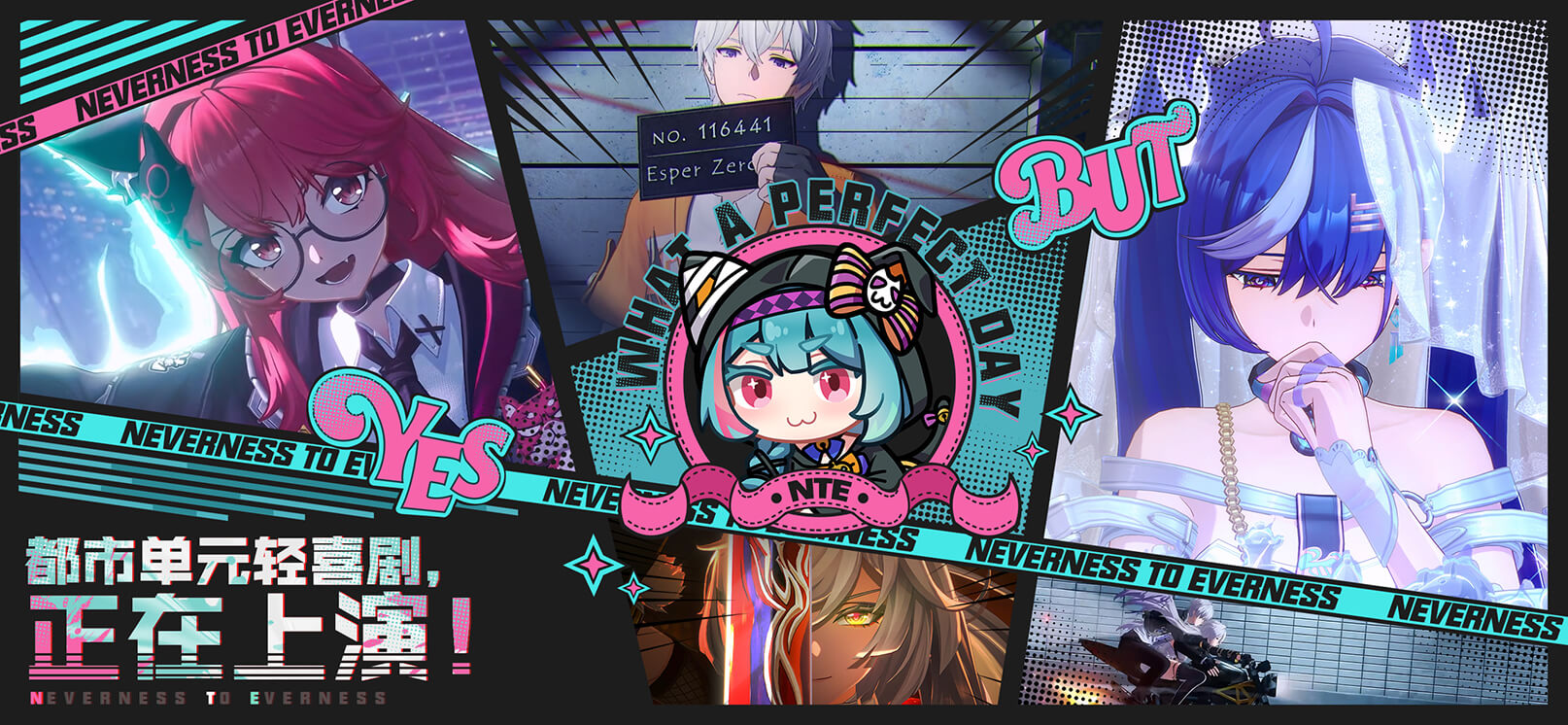
On April 23, 2026, Perfect World’s studio Hotta Studio officially launched its supernatural urban open-world RPG Neverness to Everness globally across all platforms, reaching over 180 countries and regions. The game immediately sparked a worldwide sensation, with particularly outstanding performance in the Japanese market. It topped the PlayStation 5 download chart for an entire week, breaking Japanese players’ and developers’ preconceptions about Chinese-made games with its极致日式美学 (exquisite Japanese-style aesthetics) and top tier industrial development capabilities. This has triggered deep reflection within the Japanese gaming industry and become a landmark event for Chinese games achieving “cultural reverse export” in a core market.
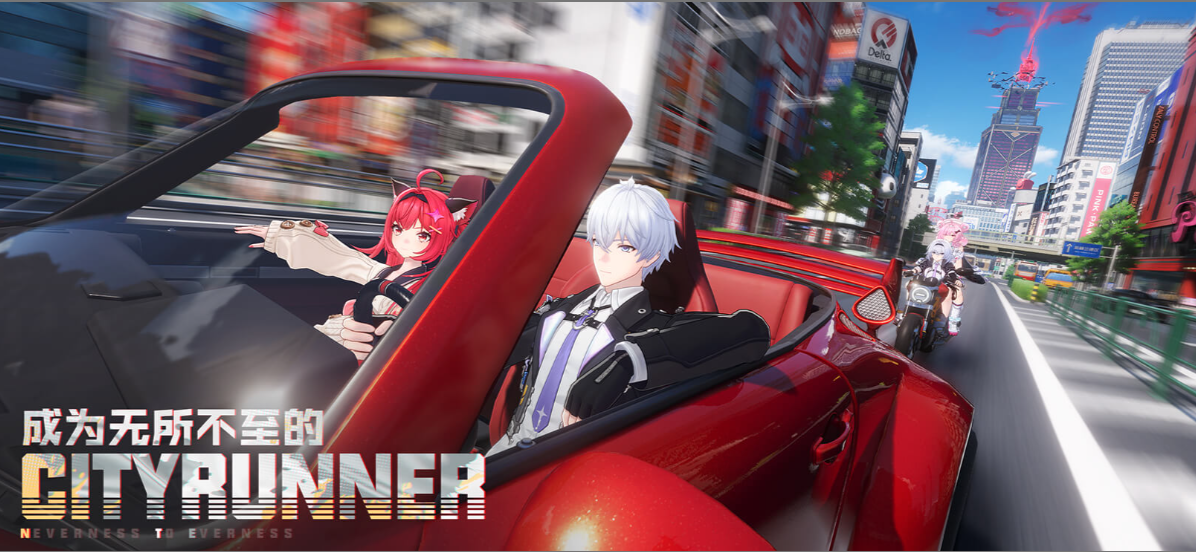
Neverness to Everness adopts an anime art style, meticulously recreating famous Japanese landmarks such as Akihabara and Shibuya. It incorporates numerous tributes to classic anime, deeply aligning with the aesthetics of Japanese otaku culture, which led many Japanese players to initially assume the game was a domestic Japanese title. Built with Unreal Engine 5, the game presents a real time dynamic “living city”. It runs smoothly across PC, iOS, and PS5, with polish and optimization reaching industry leading standards. This cross platform stability and the sheer scale of the open world left Japanese industry insiders astonished.
Alwei, a consultant at Inside Us Games, remarked that Neverness to Everness shows “terrifying” production precision, content volume, and scalability — something impossible to achieve with Japan’s current development system. He pointed out that Japan’s new labor laws restrict overtime, limiting local developers’ output efficiency, and that Japanese studios cannot match the scale of R&D resources. In contrast, Chinese teams have abundant working hours and a vast talent pool, and dominate in areas like specialized engineering teams, top grade art resources, and massive content management capabilities — all supporting a world class industrial development system.
Japanese game producer Ukyo further analyzed three key differences between Chinese and Japanese game development: resource investment, business model, and mindset. Chinese studios can allocate up to 200 people per project solely to character creation, animation design, and related work, and also invest heavily in producing character shorts, songs, and other derivative content to support the gacha system. In Japan, game companies rarely secure comparable budgets; approval for expanding animation resources is extremely difficult, and talent recruitment faces bottlenecks.
Regarding business models, Japan has long focused on one time purchase, “finished” single player games like Final Fantasy and Dragon Quest. In contrast, China — due to its past console ban — developed a mature live service game market. Neverness to Everness adopts a continuously iterating, long term operation “living game” model, which stands in sharp contrast to traditional Japanese development concepts and is better suited to the current demands of global players. This fundamental difference makes it nearly impossible for Japan to produce open world anime games of comparable scale and quality, highlighting the innovative advantages of China’s game industry.
The explosive success of Neverness to Everness in Japan is not merely the victory of a single product, but a microcosm of a new phase in China’s game exports — one characterized by high quality output. From Genshin Impact triggering a global wave, to Honkai: Star Rail and Wuthering Waves deepening their presence in Japan, to Neverness to Everness demonstrating top notch industrial capabilities for “cultural reverse export”, Chinese games have shed the labels of low end OEM work and imitation. They have built technical and content barriers in core genres such as anime and open world games.
For the global game industry, the success of Neverness to Everness brings several profound impacts: First, it breaks Japan’s long standing monopoly in the anime game sector, proving that Chinese teams can deeply understand and create premium content that aligns with East Asian cultural aesthetics. Second, it reshapes global game development paradigms: China’s live service philosophy and large scale industrial R&D system offer new strategic directions for the industry, forcing traditional powerhouses like Japan to reflect and transform. Third, it enhances China’s cultural influence overseas: games as cultural carriers convey Chinese design concepts and technological prowess to the world, strengthening its soft power.
Besides Japan, Neverness to Everness has also performed strongly in other core overseas markets such as the United States and South Korea. Its global day one gross revenue exceeded 100 million RMB, with key metrics outperforming Perfect World’s previous flagship title Tower of Fantasy, demonstrating robust global competitiveness. Looking ahead, with continuous version updates, a cloud gaming version, and more high quality Chinese games venturing overseas, China’s game industry is set to further solidify its global position — shifting from “an offshore follower” to “an industry leader” and driving the global game market toward a more diversified and high quality phase of development.
熱門頭條新聞
- Hong Kong International AIGC Digital Creation Competition 2026
- Beyond Concept Verification: AIGC Film & Video Enters Commercial Realization Cycle in H2 2026
- It’s Time to Reap What You Sow (and Then Throw It!) – Planted! Launches 29th October 2026.
- Award-Winning Composer Cris Velasco and Milan Records Bring the Dark, Nordic Sound of Mistfall Hunter to Life
- ArcheAge S: Strait of Freedom Targets Q2 2027 Steam Launch
- “One City Embodies Three Kingdoms, Half-Step Into Jianghu” Launches in Shanghai — Kaiying Network’s Dual Chinese-Style Game IPs Cross Over With Urban Tourism Festival, Pioneering Game-Culture-Tourism Integration Model
- Registration Opens for NVIDIA China Developer Day 2026 — A Premier Off line Tech Gathering for AI Developers in Suzhou
- Giving Back To The Industry: Nova Games Foundation Officially Launches To Empower Next Generation Game Creators