“Yao-Chinese Folktales 2” Premieres: Reimagining Chinese Fantasy with a Contemporary Vision, Amassing Tens of Millions of Views in Days
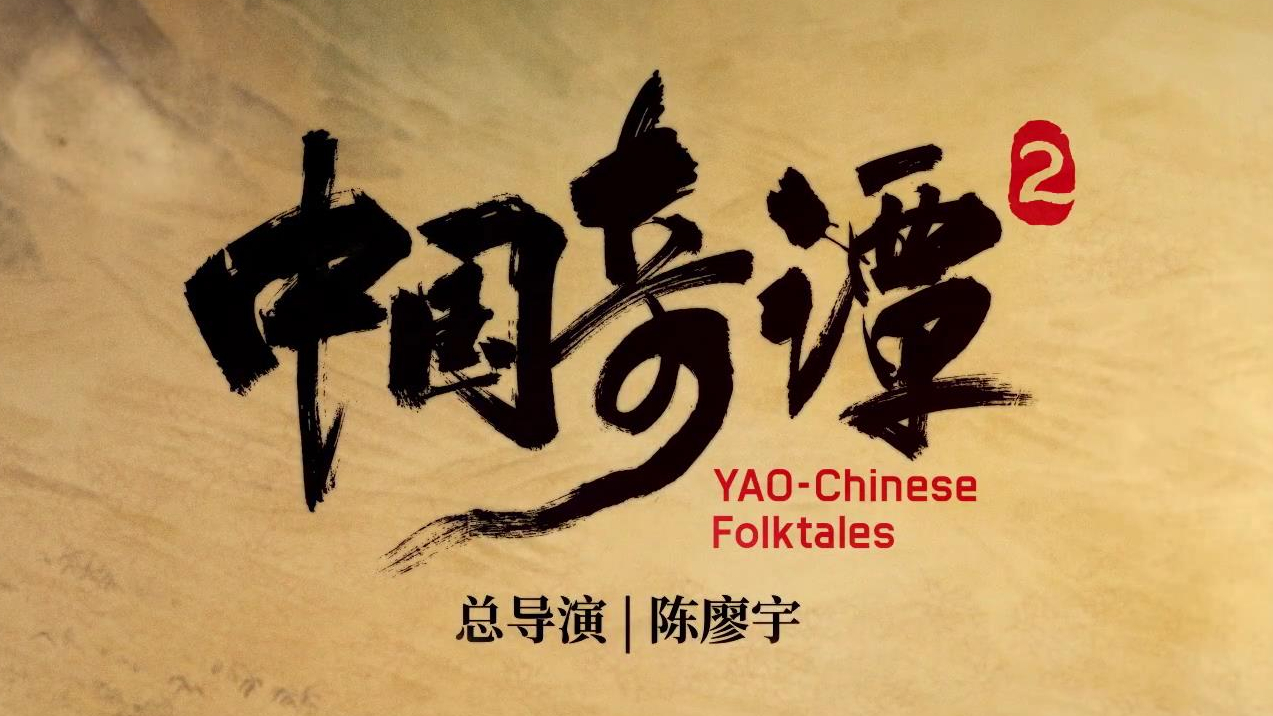
On January 1, 2026, the highly anticipated animated short film series “Yao-Chinese Folktales” debuted its second season on Bilibili. Within just one day of its release, the total view count surpassed ten million, reaffirming the strong appeal of this IP. As a new chapter following the phenomenal success of the 2023 first season, this installment brings together 12 directors who present nine distinct, standalone stories, delving deeper and broader into the exploration of “Chinese aesthetics” and “contemporary storytelling.”
Continuing Phenomenal Success: From “Langlang Mountain” to a Multiverse
The first season of “Yao-Chinese Folktales” achieved remarkable success with eight short films, earning an 8.7 rating on Douban and over 360 million views on Bilibili. It also gave rise to the 2025 summer sleeper hit film “The Little Monster of Langlang Mountain,” which set a new box office record for 2D animated films in Chinese cinema history. Faced with the challenge of surpassing the previous season, chief director Chen Liaoyu stated at a recent advanced screening in Shanghai that the team consistently maintains a mindset of “starting from scratch.” “Chinese aesthetics is not a fixed symbol; it evolves and grows,” emphasized Chen, noting that creators must return to the essence of art to explore more contemporary forms of expression.
Aesthetic Breakthroughs: From Traditional Techniques to Modern Interpretation
This season achieves significant breakthroughs in visual style. In “The Big Bird,” director Du Pengpeng employs a woodcut-like texture, with brushstrokes inspired by the dry brush and burnt ink techniques of traditional Chinese painting. The story’s core is rooted in personal memory—the important motif of “feathers” in the film draws from his grandmother’s real-life experience of collecting duck feathers by the river. In “How to Become Three Dragons,” director Yang Mu innovatively adapts the traditional Chinese painting “cun” method to depict parched land, integrating the artistic conception of masters like Lin Fengmian to achieve a modern translation of classical techniques.
Diverse Narratives: Blending Fantasy, Sci-Fi, and Poetic Everyday Life
The nine short films in “Yao-Chinese Folktales 2” cover a wide range of themes: “The Man in the Ear” blurs reality and fantasy with a classical supernatural structure; “Little Snow” uses felt stop-motion animation to create a warm texture; “Today’s Zoo” innovatively adopts a documentary format with a little bear as the protagonist; and “Sanlang” boldly incorporates sci-fi elements into a martial arts framework. Chief director Chen Liaoyu summarizes the season’s characteristics as “three wonders”—”wonder in storytelling, wonder in form and technique, and wonder in perspective.” All works are deeply rooted in the Chinese cultural context while directly addressing the spiritual world of contemporary people.
Audience Reception: Continuity in Style and Aesthetic Challenges
Although only the first two episodes, “How to Become Three Dragons” and “The Man in the Ear,” have been released, audience feedback has been diverse. Some viewers praise the series, saying, “Every episode brings new surprises, capturing the familiar essence of Chinese aesthetics,” while others find certain narratives “more challenging to follow” or “less intuitive than the first season.” Such discussions reflect the balance the series strives to achieve between artistic exploration and mass appeal. As chief producer Su Da noted, the creation of this series aims to “rekindle the experimental spirit of Chinese animated shorts and activate cultural genes through a modern lens.”
Industry Context: The Multifaceted Rise of Chinese Animation
The exploration seen in “Yao-Chinese Folktales 2” is not an isolated phenomenon. From “Ne Zha: The Devil’s Birth” setting global animation box office records to “Deep Sea” receiving international acclaim for its technical artistry, and the sustainable IP development of “Yao-Chinese Folktales,” Chinese animation is constructing a creative matrix where tradition, science fiction, and reality intersect and complement one another. This season once again demonstrates that the future of Chinese animation lies in deepening cultural traditions, confronting contemporary spiritual landscapes, and finding an innovative balance between artistic heritage and global perspectives.
“Yao-Chinese Folktales 2” is jointly produced by Shanghai Animation Film Studio, Shanghai Film Group, Bilibili, and Chen Liaoyu Studio, with broadcasts continuing through 2026. It may not be a work that seeks “instant gratification,” but it undoubtedly represents a significant step forward for Chinese animation on its path toward diversity and high quality. As Chen Liaoyu aptly stated, “Chinese animation is on the road.” And this road is growing broader because of such explorations.
熱門頭條新聞
- Wuthering Waves Version 3.6 Lamplight in Mirage, Swords Resolve in Heart Out Now
- Rovio Revenue Stabilises Following USD 200M Impairment and Internal Restructuring;
- Annual Report of the German Games Industry 2026 published
- Woodland fantasy RPG Songs of Glimmerwick comes to Steam on September 30th!
- gamescom dev awards 2026 recognize outstanding indie games and industry contribution
- BOMBANANA! Set to Launch on 2 September 2026 on PC via Steam!
- Netflix Shuts Down Night School Studio and Moonloot Games, Restructures Gaming Division and Reshapes Its Entertainment Business Mix
- DCU Wonder Woman Reboot Gets First Official Update From Screenwriter