Nintendo Switch 2 Tops Japanese Media’s 2025 Game Hardware Ranking, with Classic IPs and Trendy Dolls Leading Annual Consumption Trends
—Industry Analysis: Console Transition Cycle Begins, 2026 May Mark Full-Scale Push for Gaming Industry
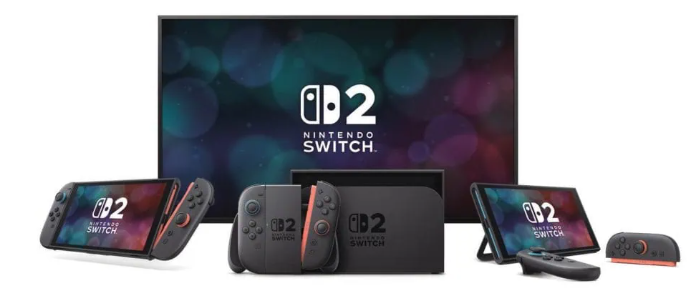
Recently, Japanese trend media MonoMax released its annual voting results, announcing the most popular games and toys of 2025. Among them, Nintendo’s next-generation console, Switch 2, took the top prize in the gaming category, the classic electronic pet toy “Tamagotchi” topped the toy category, and the ever-changing trendy doll “Labubu” became the champion in the doll category. This ranking reflects that in 2025, where technological iteration and nostalgic revival coexist, products combining innovation and emotional connection continue to lead market trends.
Since its release, Switch 2 has maintained the strong momentum of its predecessor, with global cumulative sales surpassing 10 million units in just over four months. Despite impressive sales figures, industry analysis points out that the console is still in a transitional phase for its software and hardware ecosystem. Nintendo has yet to release sequels to its core IPs, and most flagship titles from third-party developers are scheduled for release after 2026. As a result, many believe Switch 2’s true market breakout will occur between 2026 and 2027. As more exclusive blockbusters and cross-platform titles are released, the console’s performance and content lineup will gradually demonstrate synergistic effects.
Meanwhile, the classic toy “Tamagotchi” has sparked a global nurturing trend over three decades after its debut, confirming the enduring influence of retro consumption and digital nostalgia among Generation Z. The Chinese-designed IP “Labubu,” with its open-ended design and strong emotional expression, has successfully transcended cultural boundaries to become one of the year’s most discussed trendy toys, highlighting the crucial role of social dissemination and emotional value creation in the contemporary doll economy.
Looking back at 2025, while the global game hardware market saw no major updates from Sony or Microsoft’s next-generation consoles, Nintendo solidified its leadership in hybrid gaming devices with the smooth transition to Switch 2. During the hardware iteration gap, the industry continued to expand its user ecosystem through content updates, IP collaborations, and cross-media storytelling. Additionally, experimental applications of AI-generated content in areas such as game mods and personalized narratives have laid the groundwork for the industry’s future form.
Looking ahead to 2026, with Switch 2 entering its peak cycle and multiple highly anticipated titles scheduled for release, the console gaming market is poised for a new wave of growth. The toy and trendy collectibles sectors will further integrate digital interaction, limited releases, and community operations to drive value linkages between physical and virtual collectibles. Against the backdrop of rapid technological evolution and user emotional needs, the ability of products to build lasting emotional connections and community ecosystems may become the key determinant of their long-term viability.
Hot News
- Evolution of Game Monetization Maps Global Investment Trends;
- Human Fall Flat Celebrates 10 Year Anniversary Alongside 60 Million Players
- Amazon MGM Studios Unveils Full ‘Warhammer 40,000’ Animated Series Project, Led by Henry Cavill & Blur Studios
- AEVI Releases 2025 Spanish Video Game Report
- The Stone Age Survival Game That Actually Has Color Is Leaving Early Access August 25
- Tiny Teams Festival Returns This August to Celebrate Micro Studios with Massive Ideas
- Two Flagship Industry Reports Unveil Critical Mobile Game Growth Barriers & Winning Strategies for 2026
- London Emerges as Europe’s Undisputed Mobile Gaming Powerhouse