BlizzCon 2026 Officializes Blizzard-Netflix Partnership for Diablo Animated Series;
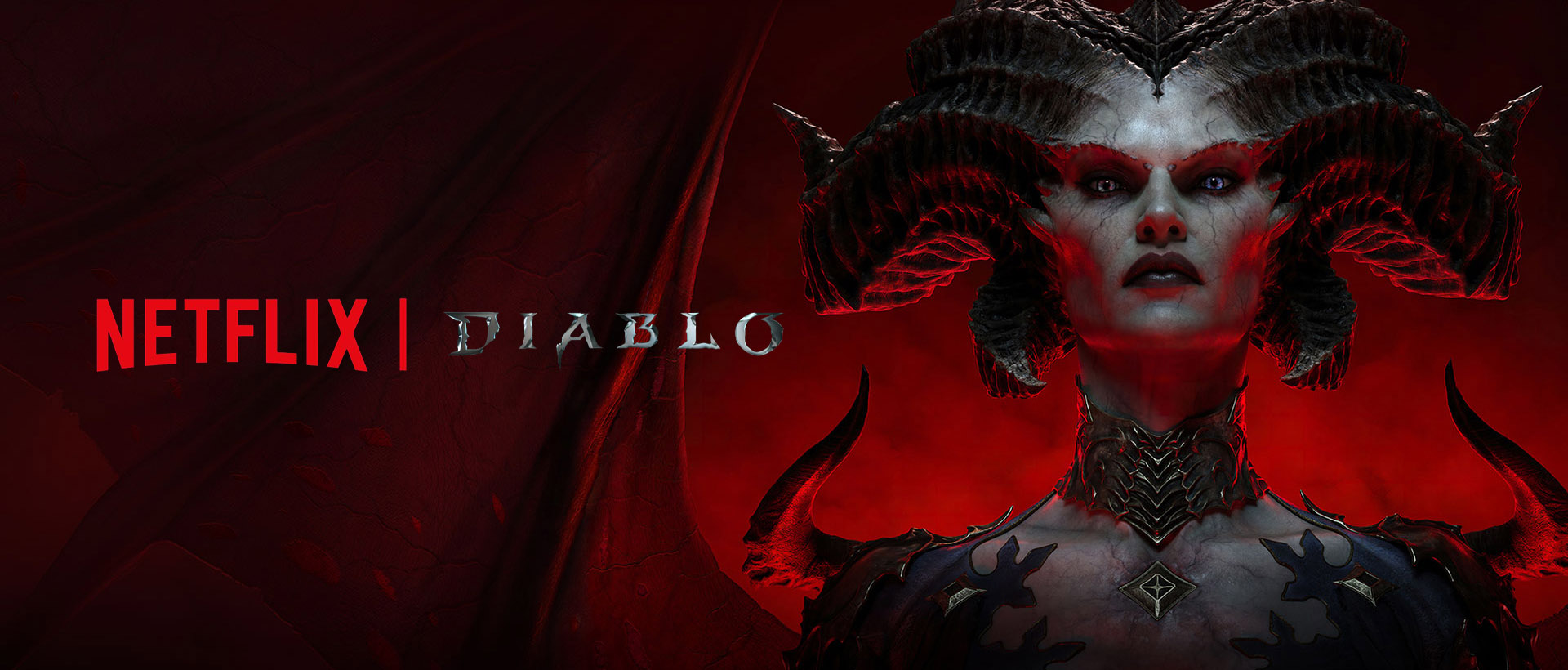
On September 12, 2026, during the opening ceremony of BlizzCon 2026 held at the Anaheim Convention Center, Johanna Faries, President of Blizzard Entertainment, officially announced a new strategic partnership with streaming giant Netflix: an original animated series set within the Diablo universe has entered active development. The announcement lands on the 30th-anniversary milestone of the Diablo franchise, and marks one of Blizzard’s highest-profile cross-media initiatives following Microsoft’s USD 69-billion acquisition of Activision Blizzard.
1. Full Project Background & Current Status
First launched in 1996, Diablo has grown into one of the world’s landmark action-RPG franchises, built around the dark-fantasy world of Sanctuary and the eternal war between the High Heavens and the Burning Hells. For many years, rumours of a screen adaptation circulated within the industry. Earlier Netflix-linked attempts at a Diablo animated project were shelved amid corporate disputes and creative resets, and had never moved to formal production.
Taking the stage at BlizzCon 2026, Faries confirmed the animated series will draw core inspiration from Sanctuary’s established lore, depicting mortal struggles caught between celestial and infernal forces. At the time of announcement, no trailer, release window, animation–studio partner, creative lead or detailed plot synopsis has been released to the public. Blizzard stated that further information will roll out as production progresses, and emphasised that the Diablo animated adaptation is “only the beginning”, with cross-media projects for other Blizzard universes also in exploratory stages.
This animation reveal sits alongside a slate of major Diablo game announcements at the same BlizzCon keynote: Diablo V targeting Spring 2029 release, the “Season of Hell’s Legacy” 30th-anniversary seasonal event for Diablo IV, the playable Amazon class arriving in 2027, plus Diablo IV coming to Nintendo Switch 2Blizzard. Given the multi-year wait for the next mainline game, the animated series is poised to sustain franchise momentum and fill the narrative gap between major game releases.
Both internal Diablo developers and global fan communities have reacted with widespread optimism. The development team expressed excitement that Sanctuary’s stories can expand beyond video-game screens. Fans hope the animation will preserve the franchise’s signature gothic, grim dark tone, bringing to life deep lore that is mostly scattered across in-game books, item flavour text and cutscenes.
2. Context Behind the Blizzard–Netflix Collaboration
- Shifting IP strategy post–Microsoft acquisition. Following the historic acquisition, Microsoft laid out a clear roadmap to expand Blizzard’s legacy intellectual-property portfolio beyond pure video-game products, into animation, film and derivative entertainment. The Diabloanimated series stands as a flagship real-world demonstration of this cross-media strategy.
- Netflix’s proven track record for game–source animation. Netflix has built substantial experience adapting video-game IP into premium animated productions, with multiple well-received adult-skewing dark-fantasy animated titles. There is strong creative and demographic alignment between Netflix’s animation strengths and the grim aesthetic of the Diablo
- Addressing franchise calendar gaps. Diablo Vis not expected to launch until Spring 2029, leaving a multi-year gap for core franchise content. Animation offers a sustainable way to keep the Sanctuary world top-of-mind for existing fans while the flagship game undergoes long-cycle AAA development.
3. Multi–Layered Significance & Industry–Wide Impacts
3.1 Impacts for the Diablo Franchise
- Break narrative boundaries and unlock untapped lore potential. Sanctuary features a vast cast of characters, factions and millennia-spanning conflicts, much of which can only be experienced through scattered in-game text and supplementary novels. Animation enables standalone story arcs to flesh out under-explored corners of the world. It can satisfy long-time devotees and also lower barriers of entry for brand-new audiences who may never have played the games, broadening the franchise’s total reach.
- Build a mutually–reinforcing “game + animation” IP ecosystem. The animated series can plant narrative foreshadowing for future game instalments; in turn, new game seasons and mainline releases will drive renewed attention toward the animation. The two formats can cross-promote each other, sustaining fan engagement during the long development cycle of Diablo V.
3.2 Strategic Value for Blizzard and Microsoft
- Pivotal first step toward multi–universe trans–media expansion. Blizzard explicitly noted the Diabloproject is not an isolated experiment; exploratory work is underway for potential adaptations across Overwatch, World of Warcraft and other flagship IPs. This partnership represents a key test case as Blizzard evolves from a game-only studio into a diversified entertainment content producer.
- Diversify revenue streams and reduce over–reliance on high–risk AAA game launches. Large-budget triple-A game development carries high costs, long cycles and volatile financial returns. A successful animated series can generate incremental revenue via licensing, merchandising and derivative rights, diversifying Microsoft Gaming’s business mix.
- Strengthen global community retention. Beyond game patches and expansions, animated storytelling offers fans alternative ways to engage with beloved universes, nourishing long-term fan loyalty and cultivating next-generation audiences.
3.3 Broader industry implications
Live-action adaptations of video-game IP frequently suffer from tonal mismatches and fan backlash. Mature-audience animation has emerged as a comparatively reliable creative pathway for game-property adaptations. The Blizzard-Netflix collaboration delivers a useful industry reference: established hardcore-game franchises can leverage streaming animation expertise to translate deep lore for global audiences, without the compromises often required for live-action productions.
The announcement also signals a wider industry shift: major owners of long-running classic IPs are no longer placing all their bets on sequels. A hybrid model combining core video-game releases plus parallel cross-media derivative content is emerging as standard practice for AAA-franchise management.
4. Current Open Uncertainties
The animated series remains in the early phase of development, with most creative decisions still unresolved. There is no public confirmation on core creative choices: story direction, character treatment, visual tone and how faithfully it will adapt existing canon. Production timelines are not locked and delays remain a possibility. While Blizzard confirmed exploratory talks for other-franchise adaptations, none have received formal green-light approval. All future information regarding the series will be subject to official joint announcements from Blizzard and Netflix.
Industry analysts observe that the Diablo Netflix animated series is far more than a one-off spin-off. It marks a tangible shift in Blizzard’s IP-management philosophy under Microsoft ownership. The success or failure of this project will heavily influence the pace and scale of future cross-media adaptations for Warcraft, Overwatch and Blizzard’s other flagship universes.
Disclaimer: This news release draws exclusively from official BlizzCon 2026 disclosures plus public reporting from Variety, Deadline, Polygon and IGN. The animated series is in early-stage development and specifications are subject to revision.
熱門頭條新聞
- Triple-i Surprise! The Triple-i Initiative Showcase Returns on October 8th for Another Round of Massive Announcements
- BlizzCon 2026 Officializes Blizzard-Netflix Partnership for Diablo Animated Series;
- Apple TV Dominates 78th Primetime Emmy Awards
- Café Management Roguelike “HIPS N NOSES” Reveals Major Combat Overhaul
- BlizzCon 2026 Unveils Diablo V and New StarCraft Open-World Shooter; Early Announcement Sparks Industry-Wide Discussion
- Ubisoft Conducts Major Steam-Launch Experience Test, Exploring Removal of Mandatory Full Ubisoft Connect Desktop Client
- PlayStation Ends Partnership With Kojima Productions on PHYSINT, Multi-Faceted Business Impacts for Sony
- Legendary Illustrator Akemi Takada’s Solo Exhibition -Angel Touch- Lands in Taipei, October 3 – November 1; Artist Profile, Exhibition Info & On-Site Activities