UK CMA Launches Consultation on Mandatory Anti-Steering Reforms, Disrupting Apple and Google’s App Store Commission Business Model
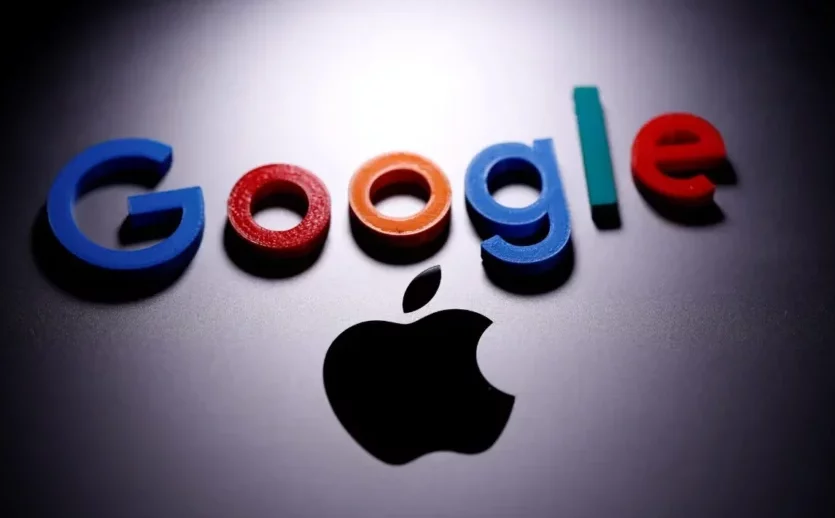
On 30 June, the UK Competition and Markets Authority (CMA) published landmark regulatory proposals and opened a public industry consultation, planning to enforce binding rules by the end of 2026. The new rules will force Apple and Google to scrap existing anti-steering bans, allowing UK-based app developers to direct users to third-party off-platform payment gateways. Paired with two core provisions — fair fee caps and mandatory iOS NFC access — the regulation aims to break the dual monopoly of the two tech giants’ mobile walled gardens, cut operating costs for developers, pass savings to consumers, and unlock innovation across the fintech sector. The reform will reshape the core commission revenue streams of the App Store and Google Play, and set a benchmark for digital antitrust oversight across Europe and North America.
I. Core Policy Objectives
- Break market monopoly and introduce genuine competitionCMA research confirms iOS and Android capture nearly all mobile devices in the UK. For years, Apple and Google have locked in mandatory in-store payments and banned off-platform redirection, creating closed walled gardens with insufficient market rivalry. Will Hayter, CMA Executive Director for Digital Markets, stated anti-steering restrictions strip both developers and consumers of autonomous transaction choices; the overhaul’s top priority is injecting competition into mobile payment markets.
- Cap excessive platform commissions to protect all stakeholdersApple and Google currently charge up to 30% cut on all in-app purchases, widely dubbed the “Apple Tax” and “Google Tax”. The regulator mandates any service fees levied for permitting off-platform steering must be substantially lower than existing commission rates. Cost savings shall either be passed to end users via lower prices or reinvested by developers into product innovation.
- Unleash fintech innovation potentialApple has long restricted third-party access to iOS Near Field Communication (NFC) chips, securing an exclusive advantage for Apple Pay. The CMA is soliciting industry feedback on technical standards and fair pricing for universal NFC access. If enforced, third-party digital wallets, cross-border payments, stablecoins and digital ID services will enable contactless transactions natively on iPhones, ending Apple’s payment exclusivity.
- Strengthen the UK digital antitrust frameworkDrafted under the Digital Markets, Competition and Consumers Act, the proposals mark a key intervention after the CMA designated Apple and Google as firms holding Strategic Market Status (SMS). The framework aligns with the EU Digital Markets Act and rulings from the US Epic Games lawsuit, forming coordinated global standards governing large technology platforms.
II. Key Policy Provisions & Timeline
- Full removal of anti-steering restrictionsApple currently imposes a complete ban on off-platform payment links, while Google only permits limited exceptions. The new rules will fully eliminate these barriers, letting developers display external payment URLs and exclusive discounts within apps.
- Regulated steering service feesAny charges platforms impose to facilitate off-platform redirection must be justified via evidence-based cost and value assessments, and sit far below the current maximum 30% commission.
- Consultation on iOS NFC openingThe CMA invites developer input on technical implementation and reasonable pricing for unrestricted NFC access; responses close on 21 July 2026.
- Full public consultation windowFeedback on steering provisions must be submitted by 28 July 2026. The CMA will finalise legally binding requirements by the end of 2026 following review of submissions.
- Existing corporate responses: Google updated its global Play Store terms on the same launch date, rolling out partial steering allowances across the US, UK and EU. Apple has yet to announce matching policy adjustments.
III. Direct Business Impacts on Apple and Google
A. Apple
- Downward pressure on core revenue streamsApp Store in-app commissions are a key growth driver for Apple’s Services division. Large game and subscription developers will divert users to cheaper external payment channels, creating medium-to-long-term risks for commission income.
- Eroded Apple Pay competitive moatMandatory NFC access will enable third-party wallets to deliver tap-to-pay functionality on iPhones, eliminating Apple’s exclusive hold over native contactless payments and triggering user and transaction churn.
- Rising cross-border regulatory riskThe UK reform will encourage stricter oversight in jurisdictions including Japan, South Korea and Brazil, all of which have already introduced alternative payment rules. Apple will be forced to harmonise global App Store policies, rendering its closed ecosystem strategy unsustainable.
B. Google
- Milder near-term revenue impact vs AppleGoogle pre-emptively rolled out steering reforms with tiered pricing and regional pilots to offset income losses. Android’s inherently open architecture lowers switching friction for developers.
- Diminished platform bargaining powerHeavy-spending verticals including mobile games and streaming subscriptions will reduce reliance on Google Play’s native payments, weakening Google’s leverage in advertising and revenue-share negotiations.
- Higher global compliance overheadsGoogle must continuously adapt Play policies to divergent antitrust rules across Europe and North America, raising operational costs for cross-region store management and rate maintenance.
IV. Broader Industry-Wide Impacts
- App Developers: Reduced overheads and wider profit marginsMobile game, novel, streaming and utility developers can bypass steep platform cuts by building private payment ecosystems, reallocating saved funds to content iteration and marketing. Small independent creators face lower barriers to innovation and improved profitability.
- Consumers: Lower prices and diversified payment optionsDiscounts from off-platform channels will be passed to end users, who will no longer be limited to platform-native payment tools. Web top-ups, direct membership billing and third-party wallets will become mainstream alternatives.
- New growth opportunities for fintechUK domestic digital wallets, cross-border payment providers and stablecoin platforms will gain native iOS NFC integration, intensifying competition in offline tap-and-pay and spurring innovation in adjacent verticals such as digital ID and smart car keys.
- Global regulatory ripple effectsRegulators in the EU, US, Japan and South Korea will reference the UK framework to ramp up antitrust scrutiny of app stores. The era of a universal 30% standard commission is drawing to a close, forcing platforms to shift toward low-fee, service-led operations.
V. Industry Conclusion
The CMA’s proposals represent a landmark turning point for closed mobile internet ecosystems worldwide. For Apple and Google, the traditional revenue model built on mandatory app store commissions will steadily decline. For developers and fintech firms, the regulation unlocks substantial new growth avenues. Moving forward, mobile platforms will compete not via locked system barriers, but through superior service, competitive pricing and open ecosystem access to win over developers and consumers.
熱門頭條新聞
- Hong Kong International AIGC Digital Creation Competition 2026
- Beyond Concept Verification: AIGC Film & Video Enters Commercial Realization Cycle in H2 2026
- It’s Time to Reap What You Sow (and Then Throw It!) – Planted! Launches 29th October 2026.
- Award-Winning Composer Cris Velasco and Milan Records Bring the Dark, Nordic Sound of Mistfall Hunter to Life
- ArcheAge S: Strait of Freedom Targets Q2 2027 Steam Launch
- “One City Embodies Three Kingdoms, Half-Step Into Jianghu” Launches in Shanghai — Kaiying Network’s Dual Chinese-Style Game IPs Cross Over With Urban Tourism Festival, Pioneering Game-Culture-Tourism Integration Model
- Registration Opens for NVIDIA China Developer Day 2026 — A Premier Off line Tech Gathering for AI Developers in Suzhou
- Giving Back To The Industry: Nova Games Foundation Officially Launches To Empower Next Generation Game Creators