Japan Unveils National Creative Industry Revitalization Plan: Central Agency & ¥34 Trillion Public-Private Fund to Boost Global Anime & Game Expansion
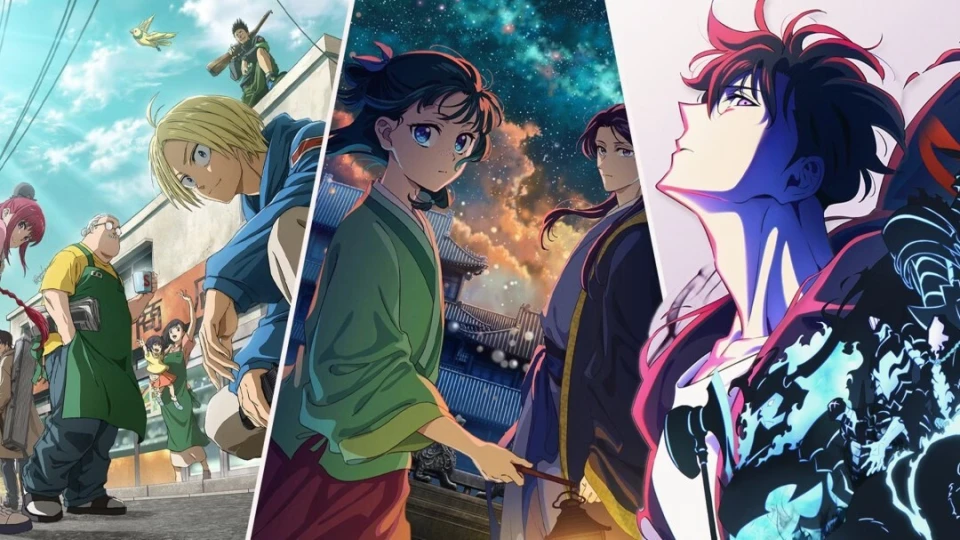
To address fierce global competition from Chinese and Korean cultural industries, reverse digital trade deficits and eliminate inefficiencies caused by fragmented cross-ministerial support, the Japanese government has rolled out a medium-to-long term strategic roadmap. Drawing on the proven model of South Korea’s KOCCA, Japan plans to establish a unified national central coordinating agency for creative content. By fiscal 2033, a combined public-private investment of ¥34 trillion will be deployed, elevating anime, manga and video games to 17 core national strategic industries. Ambitious targets for overseas revenue and global streaming subscribers have been set. Supported by multi-dimensional measures including AI localization, IP copyright protection, international exhibition participation and cross-media IP development, Japan will comprehensively accelerate the global rollout of its ACGN content.
I. Full Overview of Core Policy Framework
1. Central Coordination Agency: Break Administrative Silos
Previously, Japan’s overseas content promotion was split across the Ministry of Economy, Trade and Industry (METI) and the Agency for Cultural Affairs, leading to fragmented resources, duplicated policies and sluggish global expansion. The new plan mandates the launch of a dedicated central coordinating body by FY2027 with full-spectrum mandates:
- Formulate unified global market expansion strategies and localized rollout plans for all regions;
- Build worldwide distribution and marketing networks to align with overseas platforms and distributors;
- Fund large-scale flagship IP projects and cultivate international creative & operational talent;
- Coordinate global intellectual property enforcement and cross-border anti-piracy campaigns;
- Oversee the rollout of key subsidy programs including IP360 and JLOX+ (Japan Content Localization & Transformation Program). A core policy principle is firmly established: the government will only provide funding, channel resources and administrative support, with zero interference in creative freedom to preserve creators’ artistic autonomy.
2. Quantified 2033 Growth Targets
- Revenue Target: Japan’s overseas content sales hit ¥6.1 trillion in FY2024; the government aims to triple this figure to ¥20 trillion by 2033.
- User Target: Expand total paid overseas streaming subscribers from 100 million to 300 million.
- Industrial Spillover: The full investment package is projected to generate ¥326 trillion in cumulative economic ripple effects across manufacturing, cultural tourism, retail and service sectors.
3. Segmented Allocation of ¥34 Trillion Public-Private Total Investment
Differentiated funding priorities are assigned to five vertical sectors, with video games receiving the largest share:
- Video Games: ¥24.5 trillion
- Anime Industry: ¥3.3 trillion
- Music Industry: ¥3 trillion
- Manga Industry: ¥1.6 trillion
- Live-Action Film & TV: ¥1.3 trillion
4. Diversified Industry Support Mechanisms
- Special Subsidies for AI Localization METI plans to allocate ¥115 billion in targeted subsidies to 15 leading enterprises including Shueisha, Kodansha, Bandai Namco, Square Enix and Crunchyroll, covering 50% of their overseas marketing expenses. Grants support multilingual translation, overseas advertising and international convention attendance. Generative AI is strongly encouraged for subtitle, script and manga localization to drastically cut overseas launch timelines and labor costs, while mitigating rampant overseas piracy (which inflicted ¥5.7 trillion in losses to Japanese content in 2025). The industry also acknowledges potential risks to professional translators and narrative authenticity from machine translation, mandating human review and quality control workflows alongside AI tools.
- Permanent Rollout of IP360 Industrial Investment Program Major game developers including Koei Tecmo, Konami, Sega and Square Enix have already secured subsidies to incubate globally-oriented original IP and develop cross-media derivatives (figures, live-action adaptations, offline expos, themed cultural tourism). The program lowers overseas trial-and-error costs for enterprises and expands global market footprint.
- End-to-End Copyright Protection System Centralized cross-border legal coordination against overseas pirate websites, paired with AI traceability and digital watermarking technology to curb infringement at source and secure long-term overseas monetization of IP assets.
II. Profound Impacts on Japan’s Domestic Creative Industry
- Unify Fragmented Resources & Standardize Global Expansion Pipelines The single central agency streamlines the full value chain from project planning, production, translation and distribution to legal enforcement, lowering overseas entry barriers for small anime studios and independent game developers. Both major conglomerates and indie creators gain equal access to funding, global channels and talent training resources.
- Drive Productivity Growth via Technological Transformation Official endorsement of generative AI localization resolves long-standing bottlenecks of slow, costly foreign language adaptation for Japanese titles. Compulsory human oversight balances operational efficiency with cultural nuance, honorific consistency and narrative fidelity, reconciling technological advancement with creative quality.
- Close Global Competitive Gap Against Chinese & Korean Content Exports Adopting KOCCA’s mature international promotion model addresses Japan’s historic lack of a unified overseas outreach authority. Massive long-term investment narrows funding disparities: South Korea injected ¥762 billion into its content sector in 2023, China invested ¥1.283 trillion in 2024, while Japan’s annual content subsidy previously stood at only ¥58.9 billion. The policy restores Japan’s competitive edge in global ACGN and streaming markets.
- Build End-to-End Commercialization Lifecycles for IP Funding covers original production, overseas marketing, merchandise development, offline events and anime pilgrimage tourism, transforming standalone anime/game titles into long-cycle cross-media assets and establishing sustainable recurring revenue streams for IP owners.
III. Macroeconomic & National Strategic Significance for Japan
- Offset Slowdown in Traditional Manufacturing & Forge a New Growth Engine Export growth for legacy industries such as automobiles and semiconductors has stagnated, positioning creative content as a new core growth pillar. Japanese overseas content revenue already matches steel and semiconductor exports; successful policy implementation is projected to surpass automotive export volumes, restructuring Japan’s overall export portfolio.
- Reverse Persistent Digital Trade Deficits Japan suffers chronic large deficits in cloud services and online advertising, reaching ¥5.5 trillion in 2023. Anime and games boast strong global paid consumption demand, serving as a pivotal solution to balance digital cross-border payments and achieve digital trade surpluses.
- Integrate Cultural Tourism to Revitalize Regional Local Economies The government plans to develop 200 nationwide anime/game “sacred sites” tied to local catering, accommodation and handicraft retail, attracting global anime tourists to boost regional employment and consumption, enabling cultural industries to fuel grassroots real economic growth.
- Elevate National Soft Power & Secure Global IP Rulemaking Power The initiative upgrades the “Cool Japan” strategy from sporadic cultural promotion to systematic industrial global expansion. Leveraging its vast library of original IP, Japan will participate in drafting international rules governing AI copyright and digital content, establishing industry standards and cementing its long-standing first-mover advantage in the global ACGN sector.
IV. Industry Implementation Outlook
Subsidy programs IP360 and JLOX+ are already live, with anime and game publishers accelerating multilingual localization and global streaming partnerships. After the launch of the central coordinating agency in FY2027, organized international exhibition delegations, global talent exchange and cross-border copyright litigation will operate on a permanent basis. By 2033, Japan will establish a four-dimensional global content ecosystem integrating government coordination, public-private capital, AI technology and worldwide distribution channels, unlocking combined cultural and economic value of anime and games.
Japan’s ¥34 trillion medium-long term creative content support strategy marks national-level recognition of the economic and cultural value of ACGN industries. By establishing a unified coordinating platform, injecting trillion-scale capital, adopting AI localization and building comprehensive global copyright safeguards, Japan systematically addresses long-standing barriers to overseas expansion. Cultural soft power will be translated into tangible real economic growth, cementing anime and video games as Japan’s flagship cultural and economic calling card to the world.
熱門頭條新聞
- Disney × TikTok Strike Global Short-Form Content-Sharing Deal: Hollywood IP Descends Into the Creator Economy as Streaming Enters the Vertical-Video Era
- Hand-Painted Cozy Adventure Seina: a Tale of Spirits Launches Free Steam Demo
- SPRAWL zero brings early 2000s nostalgia to PC and consoles this September
- Oops! You’re the Hero! steals its way onto PC September 15, 2026
- Bullet Heaven Cloudbreaker to Take Flight on September 15th — Will You Survive the Skies?
- Wuthering Waves Version 3.6 Lamplight in Mirage, Swords Resolve in Heart Out Now
- Rovio Revenue Stabilises Following USD 200M Impairment and Internal Restructuring;
- Annual Report of the German Games Industry 2026 published