Hollywood AI Summit Highlights Dual Reality: Efficiency Boosts vs Existential Threat to Creative Workforce
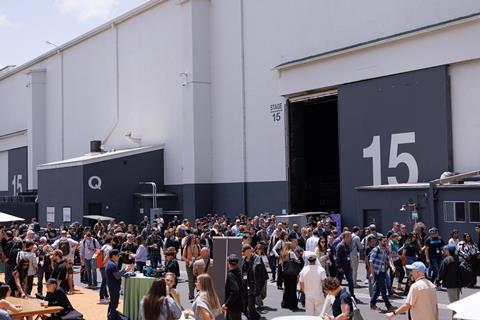
The AI on the Lot industry summit wrapped up recently in Culver City, California, gathering global studio executives, creators, union representatives and tech specialists to debate the two-sided impact of generative AI on film and television. The event laid bare a stark industry divide: while artificial intelligence revolutionizes production workflows and unlocks massive growth potential, widespread concerns over job displacement, copyright infringement and likeness rights destabilize the traditional creative ecosystem. Experts broadly warn Hollywood risks falling behind global content competitors if it hesitates to adopt AI technologies at scale.
I. Studios Embrace AI for Cost Reduction & Industrial Upgrading
Producers and top studio leaders voiced overwhelming optimism over AI’s commercial value, framing generative tools as a transformative engine for audiovisual industrialization, with three core advantages highlighted:
- Shorter timelines and drastically slashed budgets: AI automates repetitive work spanning pre-production concept art, virtual set design and post-production VFX rendering. It cuts costs for location shoots and large CG sequences, making low-budget independent projects commercially viable.
- Scalable visual effects output: Multimodal large models, digital human tech and real-time rendering break the manpower limits of traditional VFX teams, enabling studios to deliver mass volumes of content to meet streaming platforms’ insatiable demand.
- Brand-new creative career paths: Veteran AI practitioners argued AI will not eliminate jobs wholesale, but restructure the talent landscape entirely. Emerging roles including AI art supervisors, digital likeness compliance officers, AI script editors and AIGC content auditors will emerge first in LA and other global media hubs, forming a brand-new employment ecosystem.
Major streamers and studios have accelerated AI deployment: Netflix acquired Ben Affleck’s AI studio InterPositive to roll out end-to-end intelligent production pipelines, while Lionsgate entered a strategic partnership with Runway to implement AI previsualization and short-form generation tools across its slate.
II. Unions & Creatives Sound the Alarm: Job Loss, Copyright and Likeness Risks
A countervailing narrative dominated panel discussions, led by screenwriters, animators and creative guilds, who outlined existential risks brought by AI adoption:
- Frontline creative roles face displacement: Entry-level animation, storyboard drafting, basic scriptwriting, voice acting and post compositing are most vulnerable to automation, as repetitive standardized work can be mass-produced by AI models, threatening livelihoods for junior creators.
- Unprotected creative labor and copyright loopholes: Current union contracts lack clear rules governing training data usage and ownership of AI-generated content. Scripts, original artwork and recorded performances are frequently scraped to train large models without compensation or consent for original creators.
- Unregulated digital replication of actors’ likeness and voices: AI can replicate performers’ appearances, vocal tones and acting mannerisms indefinitely. Without formal written consent, studios may scan and store actors’ digital avatars for reuse across unlimited productions, drawing fierce pushback from SAG-AFTRA.
Industry cross-market analysis noted regions including Singapore adopt more permissive copyright frameworks for commercial AI training, with fewer regulatory restraints on tech firms. Bound by strict guild agreements, Hollywood moves slower on AI rollout and risks ceding market share to overseas content creators long-term.
III. Industry Consensus: Creatives Must Master AI Tools to Stay Competitive
Panelists including prominent industry figure Albie Hecht issued a unified caution to the sector: if writers, artists and directors resist learning AI workflows, the U.S. entertainment industry will lose its competitive edge against global markets. He urged all creative talent to embrace AIGC as a collaborative creative aid rather than a rival, seize control of technological workflows and avoid obsolescence amid industry transformation. Attendees also agreed on actionable industrial solutions, including overhauling film school curricula to introduce specialized courses on AI filmmaking, digital copyright compliance and virtual production, building an integrated industry-academia pipeline to cultivate hybrid creative talents balancing artistic vision and technical know-how.
IV. Deeper Structural Crisis: Shifting Audience Attention Overshadows Production Cost Shifts
Supplementary industry analysis pointed out a more fundamental challenge far outweighing production cost fluctuations: a seismic shift in global user attention habits. Over 1.2 billion new internet users came online between 2022 and 2026, growing up consuming short vertical video, interactive UGC and AI-generated short-form series rather than traditional feature-length films and serialized long-form TV.
Streaming platforms face tangible audience erosion: Netflix reported a mere 2% rise in total global viewing hours in H2 2025 despite a 10% year-on-year subscriber increase, translating to an 8% drop in average daily watch time per user and stunted ad revenue growth. Simply cutting long-form production costs via AI cannot reverse declining audience engagement; Hollywood must simultaneously innovate new content formats to capture younger generations’ attention.
熱門頭條新聞
- Wuthering Waves Version 3.6 Lamplight in Mirage, Swords Resolve in Heart Out Now
- Rovio Revenue Stabilises Following USD 200M Impairment and Internal Restructuring;
- Annual Report of the German Games Industry 2026 published
- Woodland fantasy RPG Songs of Glimmerwick comes to Steam on September 30th!
- gamescom dev awards 2026 recognize outstanding indie games and industry contribution
- BOMBANANA! Set to Launch on 2 September 2026 on PC via Steam!
- Netflix Shuts Down Night School Studio and Moonloot Games, Restructures Gaming Division and Reshapes Its Entertainment Business Mix
- DCU Wonder Woman Reboot Gets First Official Update From Screenwriter