Despicable Me IP: A Benchmark for Long-term Operation, Streaming-Cinema Synergy and Industry Inspiration
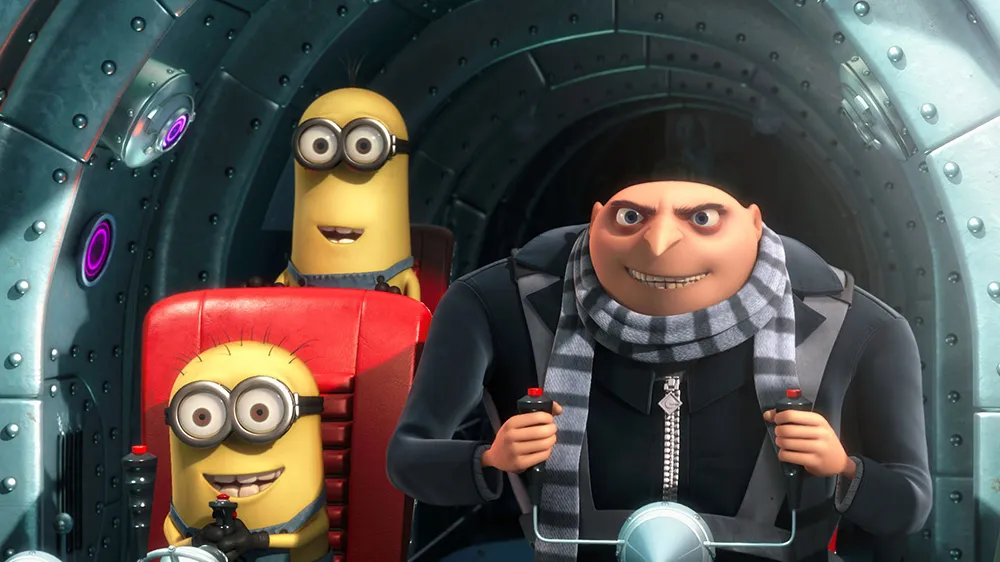
As a world-famous classic animation IP, Despicable Me has built a comprehensive commercial ecosystem covering films, streaming media and offline consumption with iconic characters such as Gru and the Minions. Adopting a mature operation model featuring two-way linkage between streaming platforms and cinemas, the franchise achieves long-term audience retention and sustained box-office success. Its all-age-oriented content positioning, phased content layout and omnichannel marketing strategies have not only built huge natural popularity for the upcoming new work Minions & Monsters, but also delivered valuable practical experience for the long-term incubation and cross-border operation of film and television IPs worldwide.
I. Core Success Strategies of the Despicable Me IP
Since the release of the first installment in 2010, the total global box office of the Despicable Me series has exceeded 4.6 billion US dollars, with multiple sequels and spin-offs ranking among the highest-grossing animations in film history. Currently, the IP consistently tops the charts on mainstream streaming platforms including Netflix, Prime Video and HBO Max. Classic titles maintain high replay rates among audiences, forming a virtuous cycle of long-term popularity nurtured by streaming platforms and explosive box-office performance in cinemas. Its core strengths lie in three major aspects.
1. Long-term Audience Cultivation via Streaming Platforms
The Despicable Me franchise has established a unique pre-promotion system led by streaming media. Previous chapters have long been available on major global streaming services. The original Despicable Me remains a top title on HBO Max, while Despicable Me 4 ranks high on Amazon Prime Video, retaining steady viewership and replay volume all year round.
Streaming platforms act as permanent exposure channels for the IP. New viewers are drawn to the franchise through classic works, while long-time fans keep revisiting the stories of Gru and the Minions. This steadily accumulates a large pool of potential audiences for upcoming theatrical releases. When new spin-offs like Minions & Monsters hit cinemas, loyal fans cultivated on streaming platforms naturally become the main box-office contributors, ensuring new releases easily hit box-office milestones and creating a cycle of sustained popularity and robust revenue.
2. Cross-generational Appeal with All-age Content
Cross-generational charm is the cornerstone of the IP’s enduring success. Its content is meticulously tailored to cater to audiences of all age groups without boundaries. The hilarious slapstick humor and cute images of the Minions bring joy to children and teenagers. Meanwhile, the main storyline focusing on Gru’s growth, paternal love and friendship features profound emotions and complete narratives, striking a chord with adult audiences who grew up with the 2010 original film and evoking strong nostalgia.
The family-friendly positioning makes Despicable Me a top choice for family movie outings. Overlapping audiences across different age groups form a stable traffic base and continuously expand the IP’s fan base. Even after more than a decade of development, the franchise still attracts new generations of viewers.
3. Tiered Content Matrix to Sustain IP Vitality
Universal Pictures and Illumination Entertainment adopt a dual content strategy combining mainline sequels and independent spin-offs, gradually expanding the IP’s worldview and avoiding audience fatigue caused by monotonous content. Mainline chapters focus on Gru’s life journey and family bonds, consolidating the emotional core of the IP. Spin-offs such as Minions dig into independent storylines of popular supporting characters and enrich the content diversity.
With a stable release rhythm and continuous promotion on streaming platforms, the IP always stays fresh. Every new theatrical release drives renewed viewership of classic titles on streaming services. New and old content empower each other, forming a positive loop of content iteration, popularity rebound and new breakthroughs, which constantly extends the IP’s lifecycle.
II. Lessons Learned from Despicable Me for the Industry
Many film and television IPs suffer from rapid rise and decline as well as underperforming sequels. Against this backdrop, Despicable Me has blazed a path for sustainable development through the integrated streaming-cinema model, all-age content philosophy and refined operation. Its experience provides four key references for animation, live-action and other types of IPs.
1. Build a Linked Streaming-Cinema System to Restructure Promotion and Monetization
As streaming media becomes a core communication channel for the film industry, the traditional cinema-exclusive model is gradually outdated. The success of Despicable Me proves that streaming platforms are competitors no longer, but long-term traffic generators for cinemas. Other IPs can learn from this model: release classic mainline films and short spin-offs on streaming platforms in batches to maintain constant IP exposure and cultivate audiences over time. Ahead of new theatrical releases, leverage the high popularity on streaming services to create buzz and arouse fan anticipation, cutting down theatrical promotion costs effectively.
In addition, distributors can classify content by platform based on IP positioning: reserve classic films and short episodes for streaming platforms to retain fans, and launch major feature films in cinemas to realize box-office revenue. A clear division of labor and mutual traffic diversion between the two channels maximize the commercial value of IPs. This strategy is especially suitable for long-running serial IPs.
2. Create All-age Content to Expand Audience Reach and Market Potential
IPs targeting a single audience group often face stagnant growth and solidified fan circles. The case of Despicable Me demonstrates that family-friendly and cross-generational content boasts the strongest risk resistance and market potential. Content creators should balance entertainment, storytelling and emotional depth. Use interesting plots and vivid visuals to attract young audiences, and deliver complete narratives and sincere emotions to resonate with adult viewers, developing works appealing to people of all ages.
For animation IPs in particular, it is vital to abandon the stereotype of “content only for kids”. Works integrating fun and depth can not only expand box office and on-demand markets, but also enhance IP reputation and brand value, laying a solid foundation for subsequent derivative development.
3. Develop a Multi-layered Content Matrix to Extend the IP Lifecycle
Blockbusters drive short-term success, while a complete content matrix guarantees long-term prosperity. A single work cannot sustain the long-term development of an IP. Enterprises should formulate long-term content plans at the early stage of IP incubation: take core mainline works as the foundation to build the worldview and core characters; develop independent spin-off films, animated shorts and side stories around popular roles and classic scenes to enrich the content ecosystem.
Meanwhile, control the release rhythm to prevent overexploitation of the IP. Launch lightweight derivative content on streaming platforms for regular updates, and release major theatrical works periodically. The combination of steady content output and landmark premieres maintains IP popularity continuously, avoids audience fatigue, and realizes steady growth of IP value.
4. Shape Memorable Characters to Build Differentiated IP Labels
The highly recognizable Minions, Gru and other iconic roles are key to the IP’s enduring global popularity. All IP creators need to focus on developing distinct core characters and exclusive styles to form unique brand labels. Impressive roles, unique visual designs and classic lines can break down barriers of language and regions and help IPs gain global fame rapidly.
Once characters are deeply rooted in the hearts of the public, fans will keep following new stories. On this basis, expand to derivative products, theme parks and cross-industry cooperation to realize full-scale development of “content, image and commerce”, and build a comprehensive IP commercial empire.
III. Conclusion
From a single animated film to a world-class comprehensive IP over the past decade, the success of Despicable Me is far from accidental. Centered on the linkage mechanism of long-term audience cultivation via streaming platforms and concentrated monetization in cinemas, supported by cross-generational all-age content and a tiered content matrix, its sophisticated operation system sustains enduring popularity and growing commercial value.
For the global film and television industry, this IP sets a clear example. In an era where streaming media is deeply integrated into the industry, film and television IPs must abandon confrontational thinking between different channels and promote coordinated development of cinemas and streaming platforms. It is essential to step out of niche circles, embrace audiences of all ages with high-quality content, and make long-term content plans to extend IP vitality via matrix layout.
In the future, IP competition will become increasingly fierce as media forms continue to evolve. Only by balancing content quality, channel operation and long-term planning can IPs avoid being flash in the pan, gain a firm foothold in the market and achieve sustainable development for decades to come.
熱門頭條新聞
- SIGGRAPH Asia 2026 Takes Shape: Distinguished Keynote Speaker Line-up Unveiled
- Apple Completes App Store Leadership Transition; New Management Pursues Higher Margins, Phil Schiller Steps Back From Day-to-Day Operations
- Apple’s new EU App Store Business Terms Still Violate the Digital Markets Act (DMA).
- Lost and Found Co. Developer Bit Egg Becomes First Game Studio to Win Thailand’s Prestigious Prime Minister’s Export Award
- DRAGONHEIR: SILENT GODS MARKS THIRD ANNIVERSARY WITH COMMUNITY-CREATED HERO AND ORDER VS. CHAOS SHOWDOWN
- China Domestic Animation Summer Season 2026 Review: Box-office Boom for Theatrical Animation, Established Web Series Face Headwinds, AI Man-Dramas Explode for New Growth
- Tianji: Shadow of the Ancients, Coming 2027 to Multiple Global Platforms
- China’s Anime-Goods (“Guzi”) Economy 2026 Market Review