Advancing Together with the Nation: How Chinese Animators Turn the Dream of “Rising Domestic Animation” into Reality
CCTV.com News: 2025 marks the 120th anniversary of Chinese cinema. The total box office revenue for Chinese films surpassed an impressive 51.832 billion yuan, with a series of beloved masterpieces leaving a lasting impression on audiences. Among them, animated films achieved a box office revenue of over 25 billion yuan, making it the highest-grossing year for animated films in Chinese cinematic history. Nezha: The Devil’s Child Making Waves set a new global record for animated film box office revenue, while Little Monster of Langlang Mountain broke the domestic box office record for a single two-dimensional animated film. In the series report Advancing Together with the Nation, let’s explore how Chinese animators have turned the dream of “rising domestic animation” into reality.
Little Monster of Langlang Mountain ignited the summer of 2025 with its two-dimensional animation style and rich Chinese artistic flair, leading many viewers to exclaim that the familiar charm had returned.
New Technologies Empower Chinese-Style Animation
Behind the film’s success lies decades of inheritance and innovation across generations at the Shanghai Animation Film Studio. The application of modern technologies and the brushstrokes of hand-drawn software have empowered Chinese-style animation, adding a unique charm.
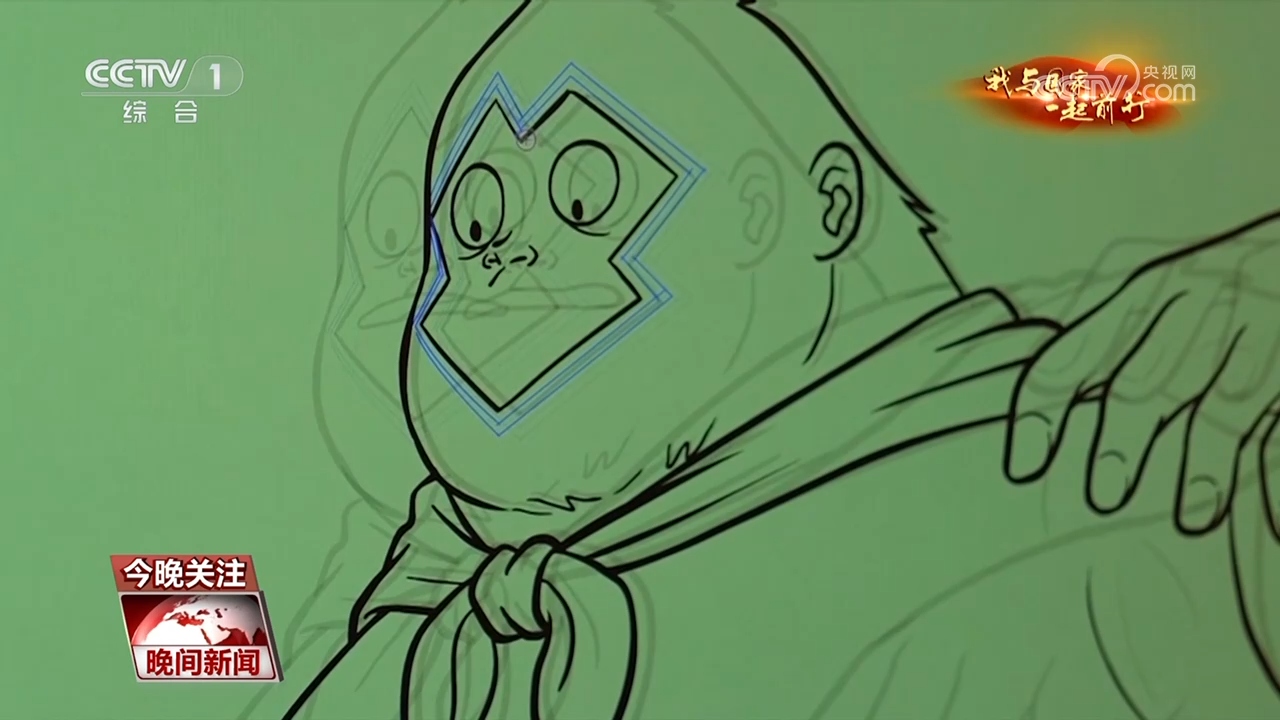 Feng Jie, Animation Supervisor at Shanghai Animation Film Studio: “Using ink wash brushes to outline creates the authentic liveliness of ink wash art.”
Guan Minbo, Production Director at Shanghai Animation Film Studio: “A single shot might require 30 drawings. In the past, this could take one to two months to complete, but now we can finish it in about a day or a day and a half.”
Guan Minbo, Production Director at Shanghai Animation Film Studio: “A single shot might require 30 drawings. In the past, this could take one to two months to complete, but now we can finish it in about a day or a day and a half.”
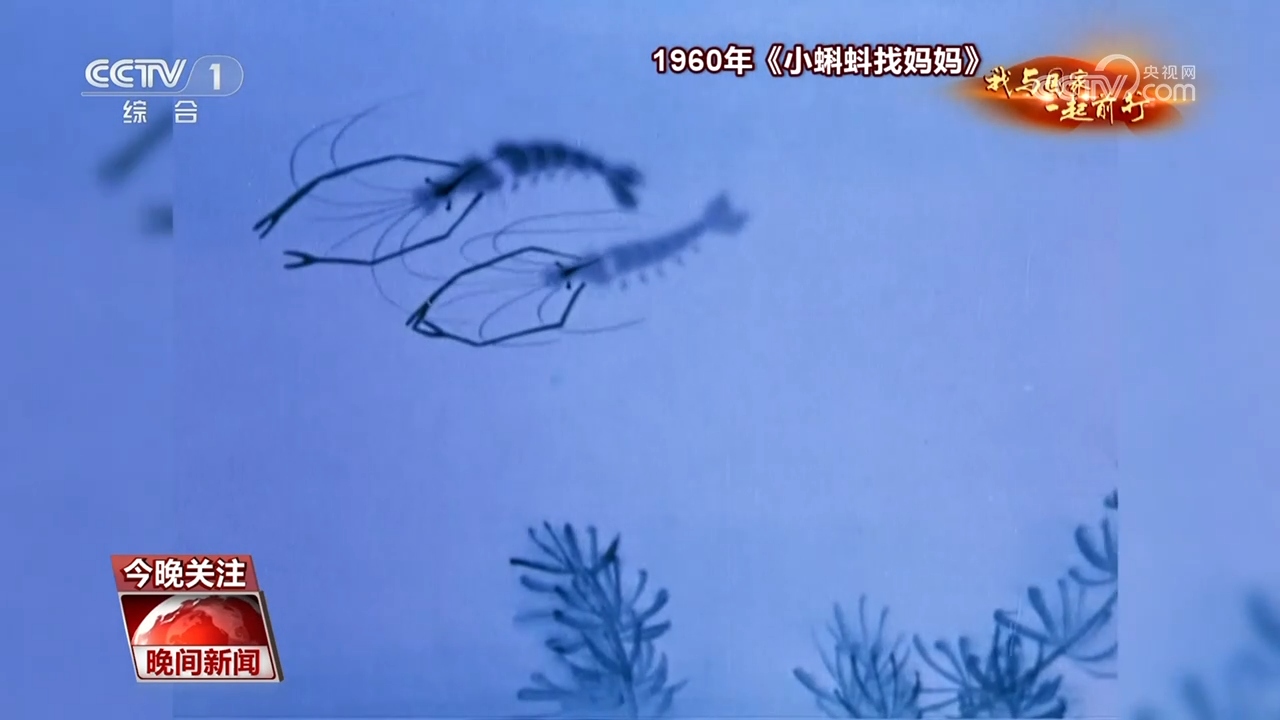
Little Tadpoles Looking for Their Mother, the world’s first ink wash animated film, was once a shared memory for generations. However, the high time and cost of production once caused this art form to fade from view.
Guan Minbo: “The moving shrimp you see was actually created using over twenty layers. This meant the artist had to draw more than twenty sheets. In those days, why were ink wash animations mostly short films? Because even a short film took about four to five years to complete. Imagine how long a feature film would have taken.”
China’s First Color Ink Wash Animated Feature Film Set to Premiere
Technological innovation brings renewed hope. China’s first color ink wash animated feature film, The Leaping Ibex, will be released in the near future. Creating this film using traditional ink wash animation techniques would have taken at least 20 years.
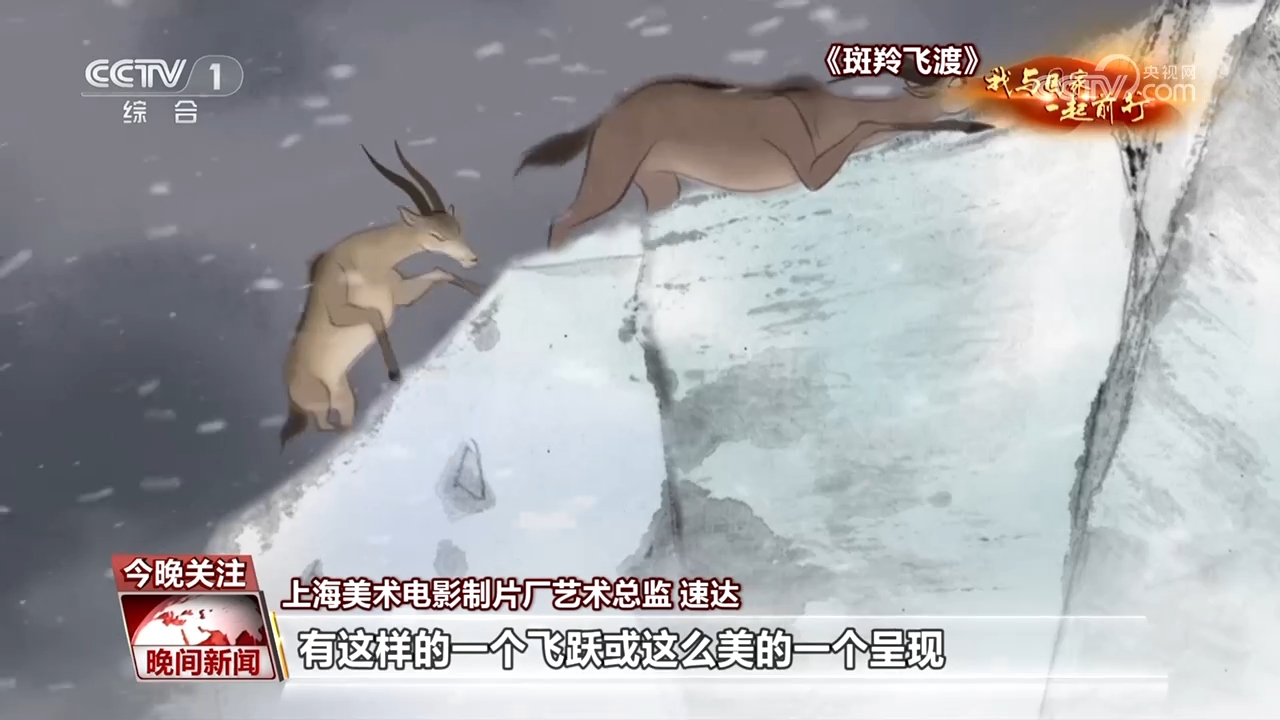
Su Da, Artistic Director at Shanghai Animation Film Studio: “I believe audiences will marvel at the leap forward and the stunning presentation of Chinese ink wash animation once it premieres.”
Not only did ink wash animation fade from view for a time, but China’s animation industry also endured a prolonged winter.
Su Da: “I remember a period when the studio had to borrow money to pay salaries. It was an incredibly challenging time. In 2004, the state introduced policies to support domestic animation.”
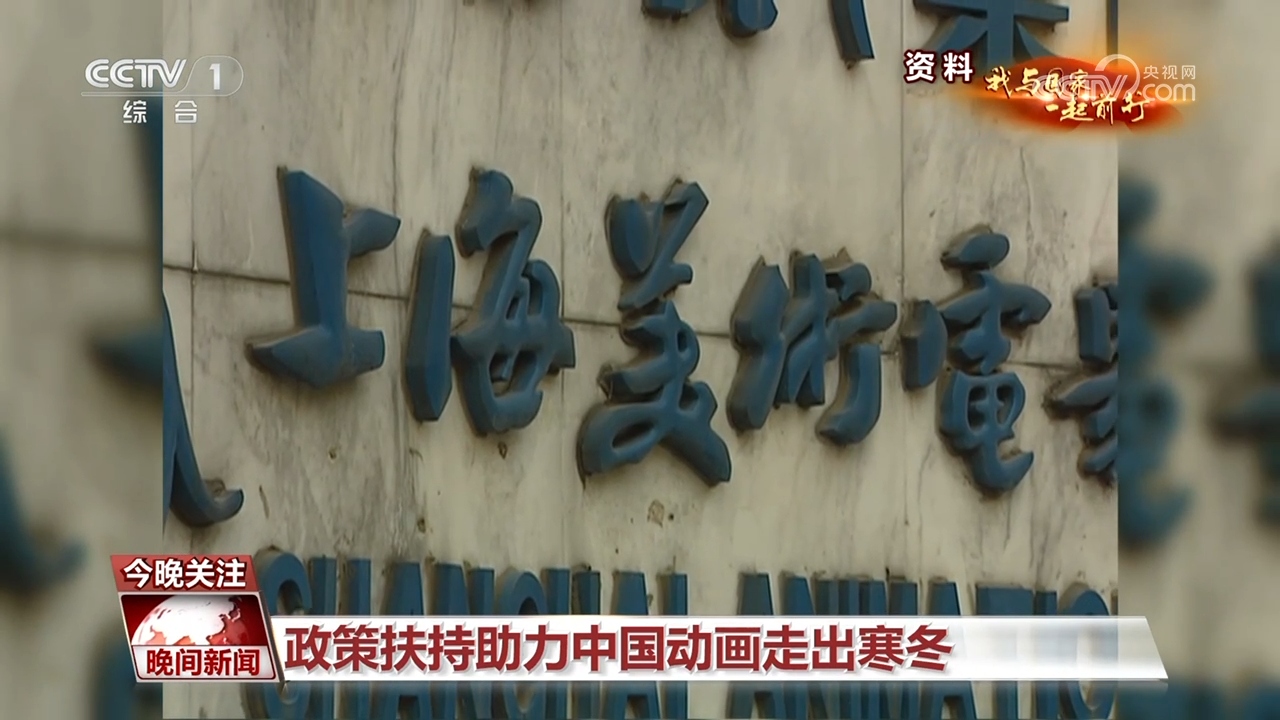
Policy Support Helps Chinese Animation Emerge from the Winter
Since then, the state has consistently provided policy support for domestic animation through tax reductions, talent cultivation, and financial assistance. Multiple Five-Year Plans from relevant government departments have continuously outlined top-level designs for the animation industry’s development, promoting its quality enhancement and upgrading. Various cultural funds have directly supported outstanding animated works, and the Shanghai Animation Film Studio actively transformed during this period.
Guan Minbo: “There was indeed a gap—those skilled in drawing lacked computer proficiency, while those proficient in computing lacked artistic understanding. That’s why we collaborate with universities—to build a platform where young talents can master both computational skills and artistic value.”
Besides addressing funding and talent issues, defining a development path is equally crucial.
Ling Shu, Senior Scriptwriter at Shanghai Animation Film Studio and Expert at the Little Monster of Langlang Mountain and Chinese Fantasy Art Committee: “The studio has faced impacts from foreign art, especially after the reform and opening-up, when we were exposed to many new international influences. Nevertheless, we remained clear in our hearts that we are Chinese, and we must pursue Chinese experimental animation and modern contemporary art.”
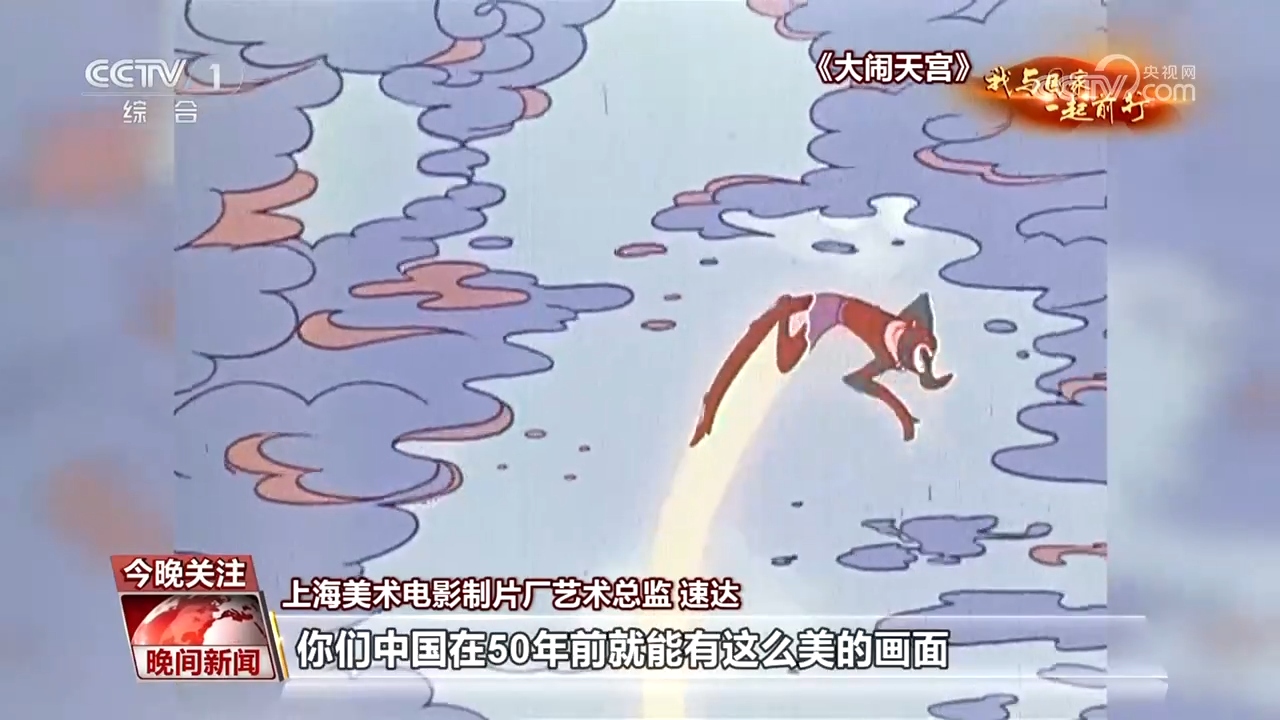
Su Da: “I believe Chinese aesthetics are of utmost importance. When we were working on the 3D version of Havoc in Heaven and went to the United States for color grading, the colorist was amazed that China could produce such beautiful visuals 50 years ago.”
Determined to Follow Their Own Path: What Defines Chinese Animation?
Is it the unique techniques of ink wash and paper-cutting, or the rich storytelling resources from mythology, history, and ethnic traditions? During the transformation, generations of Chinese animators have continuously experimented and reflected.
Chang Guangxi, Former Director of Shanghai Animation Film Studio and Expert at the Little Monster of Langlang Mountain and Chinese Fantasy Art Committee: “In pursuing a nationalized path, we must advocate innovation—neither imitating others nor repeating ourselves—and preserve the cultural lineage of the Chinese animation school. In this new era, young directors must find a contemporary context within the long history of Chinese animation, creating works that resonate with today’s audiences and reflect real life.”
“Old Guiding the Young” Ensures the Continuity and Inheritance of the Chinese Animation School
The ideas of the older generation have gained recognition among young animators at the Shanghai Animation Film Studio. The model of experienced artists guiding the young has ensured the continuity and inheritance of the essence of Chinese animation.
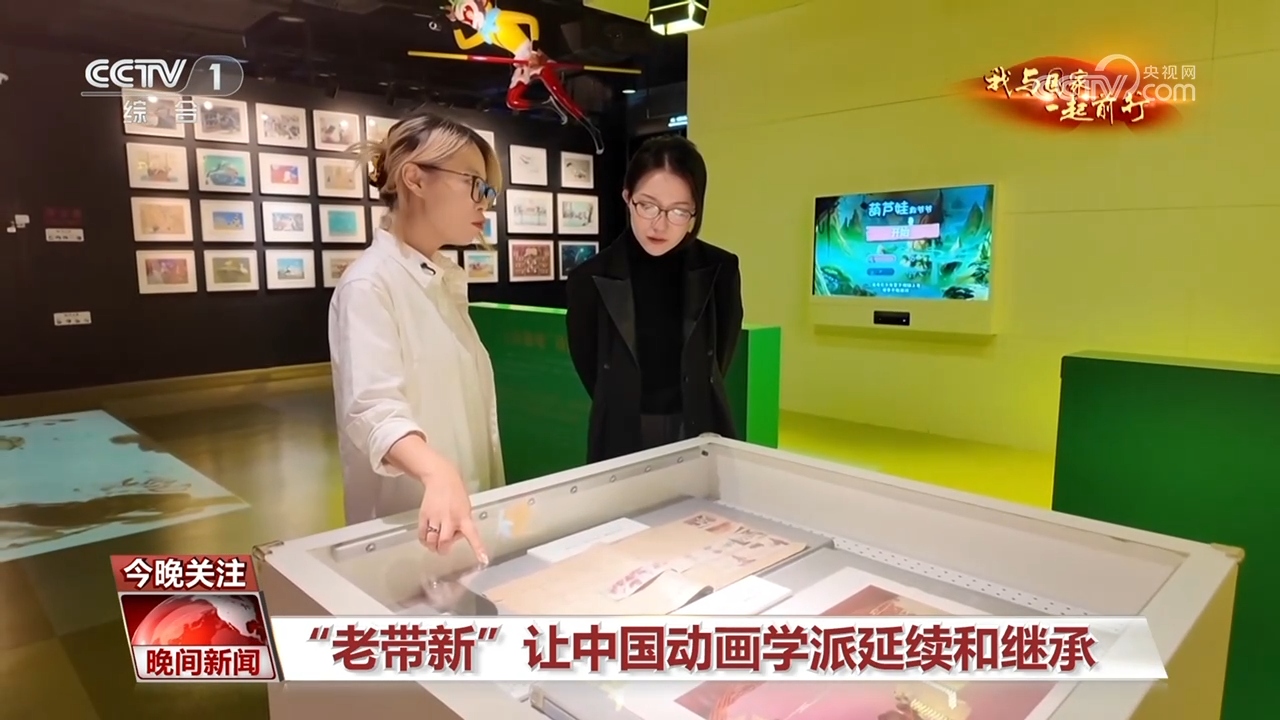
Senior artists such as Chang Guangxi, Zhou Keqin, and Ling Shu have created iconic animated works like Havoc in Heaven, Monkey Fishing the Moon, Calabash Brothers, and Lotus Lantern. The art committee they formed has guided and supported young and middle-aged animators in their exploration and innovation.
Zou Yuchen, Young Animator Born in the 1990s: “During my interview, they emphasized that the core artistic philosophy of the Shanghai Animation Film Studio is truth, kindness, beauty, wonder, fun, and charm. This deeply moved me. Our studio has an art committee mechanism, mainly composed of retired veteran artists, who provide professional artistic guidance at various stages of each project, from early creation to completion.”
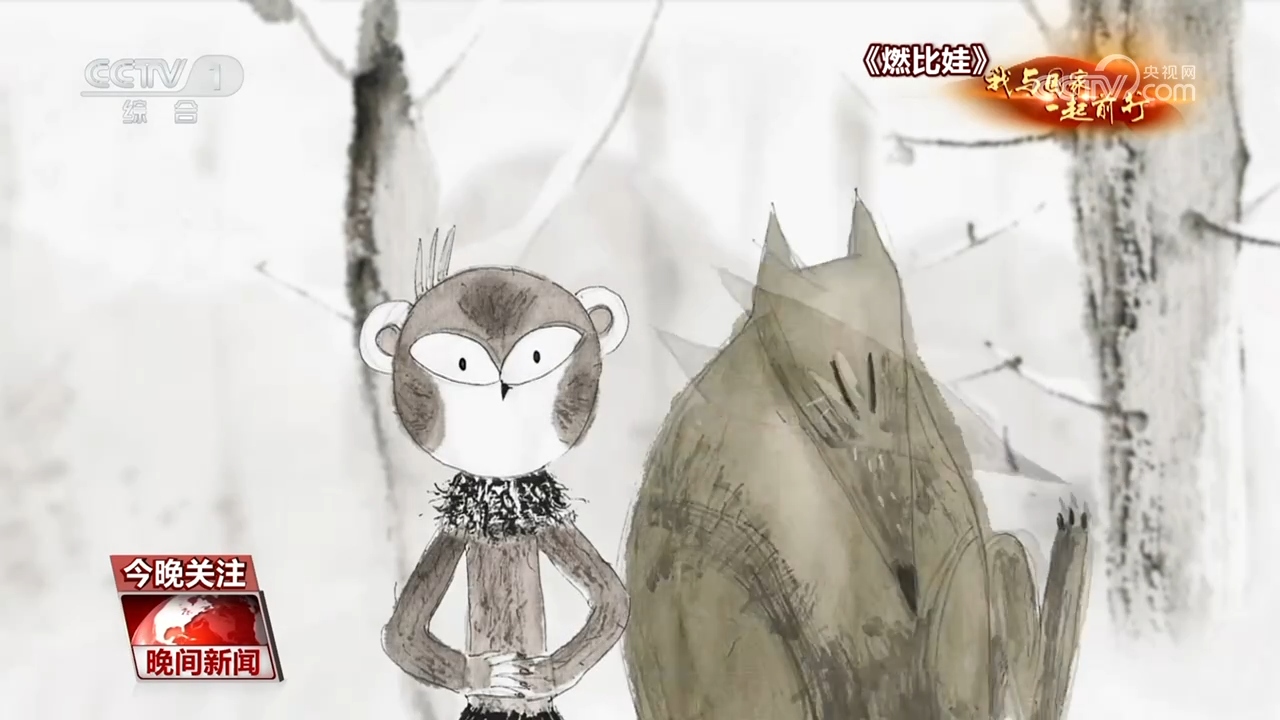
In February 2025, Ran Biwa was shortlisted for the Generation section of the Berlin International Film Festival. This marked the Shanghai Animation Film Studio’s return to Berlin after over 40 years, following Three Monks and The Sandpiper and the Clam, which both won Silver Bear awards.
Wang Anyi, Producer of Ran Biwa at Shanghai Animation Film Studio: “This is of extraordinary significance for the studio and for feature films produced in Shanghai, as it’s the first time a feature-length animation has entered one of the three major international A-list film festivals.”
Zou Yuchen: “Ran Biwa is an innovative work that incorporates multiple animation forms—paper-cut stop-motion, oil painting, and Qiang embroidery. While it sparked some debate, the veteran artists unexpectedly encouraged us, appreciating the experimental fusion of animation styles.”
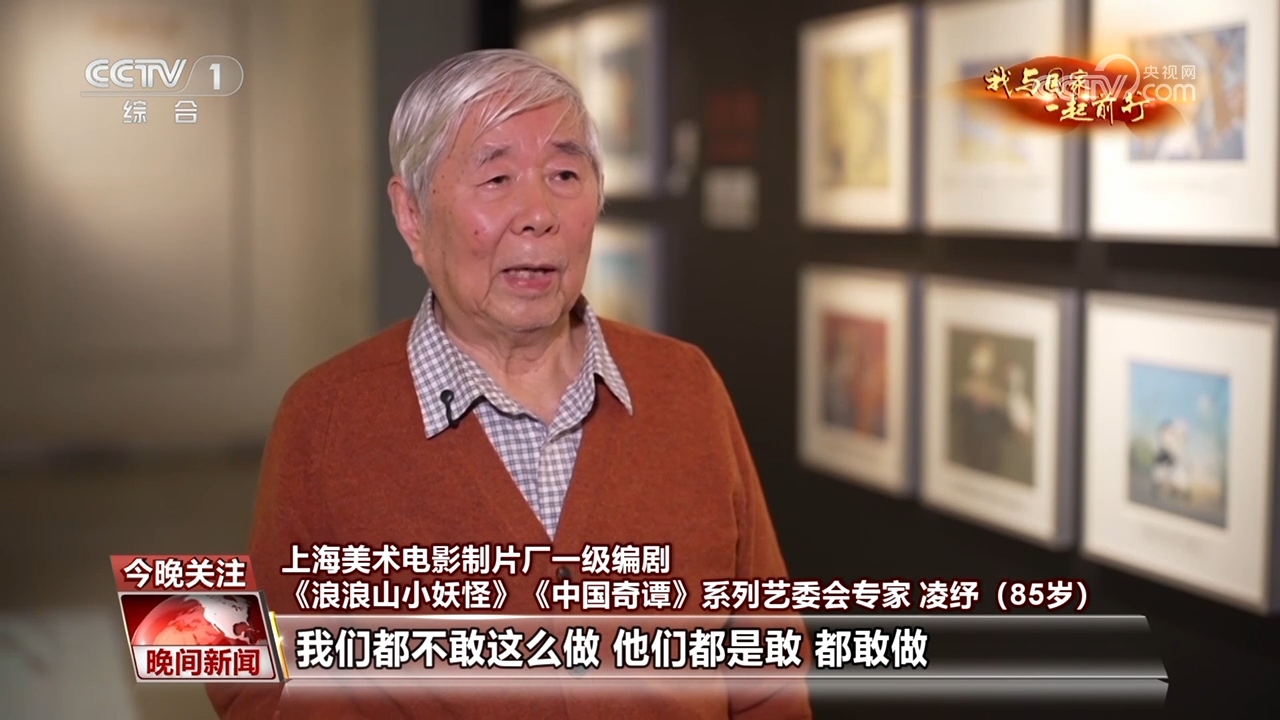
Ling Shu: “They consistently shared their scripts, storyboards, and character designs with us. Many of their ideas were bold and unprecedented, making us feel that they dared to explore new paths. This is progress, and this is hope.”
Moving Beyond Sole “Box Office Recovery” to Diversified Revenue Streams
In 2025, Chinese animated films achieved success in box office, reputation, and accolades. The industry shifted from relying solely on box office revenue to adopting a new paradigm of “IP ecosystem recovery,” centered on derivative sales and covering crowdfunding, licensing, cultural tourism, and other channels. Little Monster of Langlang Mountain launched over 800 derivative products, with character dolls selling out.
Li Zao, Deputy General Manager of Shanghai Film Co., Ltd. and General Manager of Shanghai Film Yuan (Shanghai) Culture Technology Development Co., Ltd.: “The total sales of our products have exceeded 250 million yuan, driving peripheral consumption of approximately 2.5 billion yuan.”
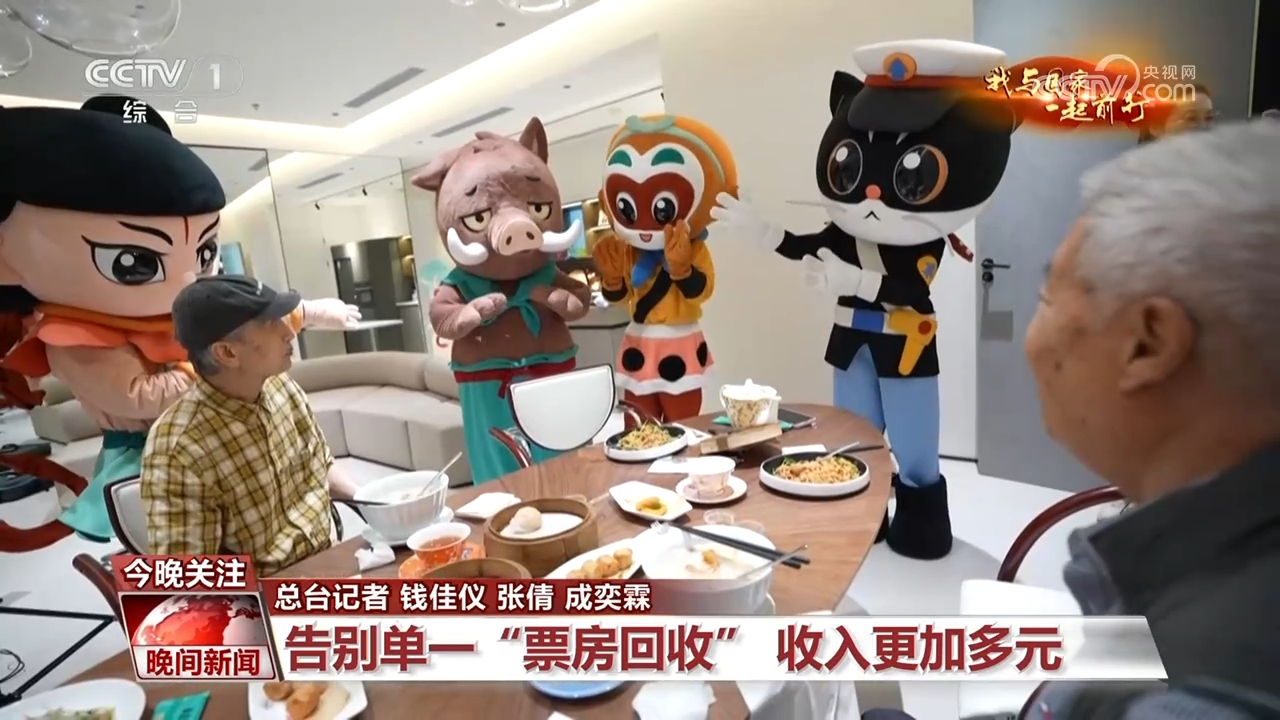
Li Zao, Deputy General Manager of Shanghai Film Co., Ltd. and General Manager of Shanghai Film Yuan (Shanghai) Culture Technology Development Co., Ltd.: “The total sales of our products have exceeded 250 million yuan, driving peripheral consumption of approximately 2.5 billion yuan.”
In 2025, filming locations from Little Monster of Langlang Mountain, such as Shanhua Temple and Yong’an Temple, became popular tourist destinations. An indoor parent-child amusement park themed around Shanghai Animation Film Studio’s animated characters opened in Shanghai.
Li Zao: “IP development is indeed a highly cross-disciplinary field, generating a wide variety of products and experiences. The development of IP in China is still relatively nascent, so I believe there is immense potential for the future.”
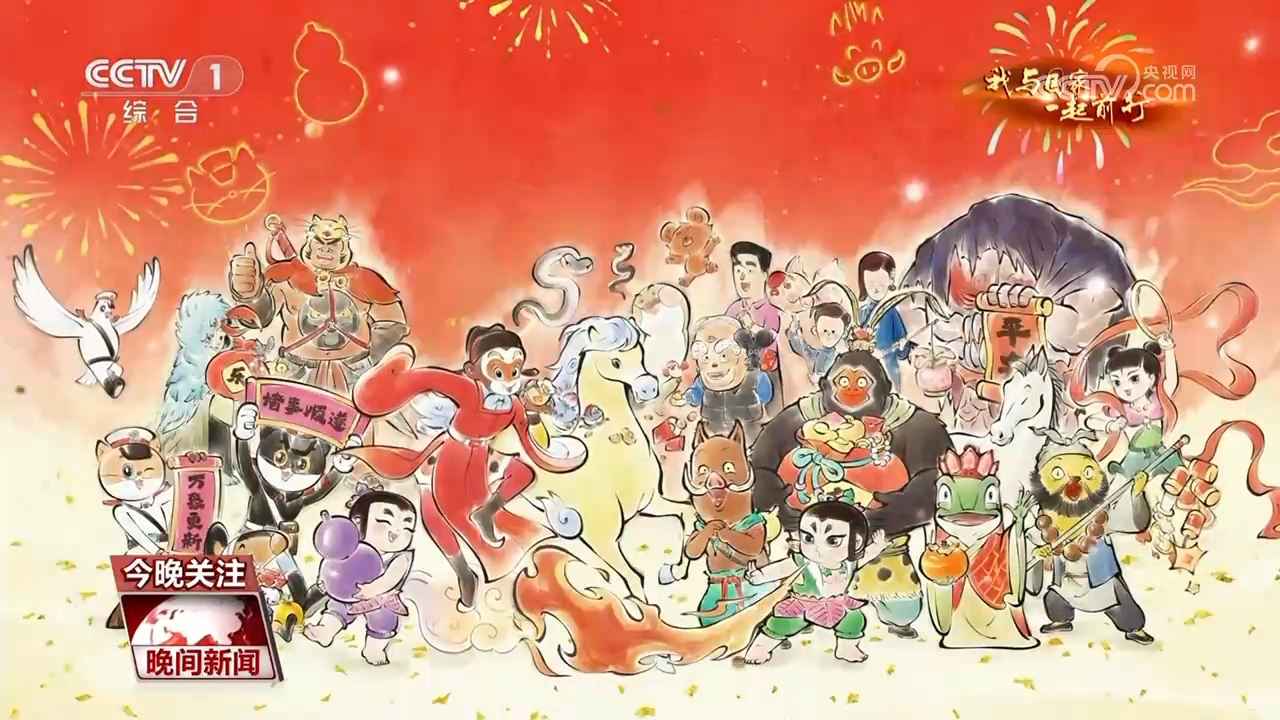
Chinese animated films achieved remarkable success in 2025. How will classic animated characters reappear in 2026? Can new animated characters become classics? Chinese animation will always advance together with the nation, forever worthy of anticipation.
[CCTV Commentary] Ink Wash as Both Art and “Strength”
The Chinese film industry delivered an impressive performance in 2025, demonstrating the powerful momentum of its growth. Ink wash paintings and light brushstrokes carry profound and deeply resonant emotional weight. Animation is not just for children—the 25 billion yuan box office revenue reflects people’s rediscovery and recognition of the “truth, kindness, and beauty” in Chinese culture. Ink wash art has come to life, and paper-cutting has gained motion. When Berlin audiences applauded Ran Biwa, they were also celebrating the vitality and charm of a civilization. True cultural confidence stems not only from our wealth of ancient IPs but also from our contemporary talent and courage to awaken and engage with them. We look forward to Chinese cinema delving deeper into the fertile soil of its 5,000-year civilization, bravely exploring the global stage, and continuously translating cultural “soft power” into the “hard logic” of cinematic industry development.
Source: CCTV.com
熱門頭條新聞
- Wuthering Waves Version 3.6 Lamplight in Mirage, Swords Resolve in Heart Out Now
- Rovio Revenue Stabilises Following USD 200M Impairment and Internal Restructuring;
- Annual Report of the German Games Industry 2026 published
- Woodland fantasy RPG Songs of Glimmerwick comes to Steam on September 30th!
- gamescom dev awards 2026 recognize outstanding indie games and industry contribution
- BOMBANANA! Set to Launch on 2 September 2026 on PC via Steam!
- Netflix Shuts Down Night School Studio and Moonloot Games, Restructures Gaming Division and Reshapes Its Entertainment Business Mix
- DCU Wonder Woman Reboot Gets First Official Update From Screenwriter