Vietnamese Publisher Provides In-Depth Analysis: High-Growth Billion-User Game Market, Licensing Compliance and Localization Are Key to Entry

At the recent Xsolla industry conference held in Guangzhou, Sally Nguyen, Chief Operating Officer of the well-known Vietnamese local publisher OEG, provided a detailed analysis of the current state, opportunities, and challenges of Vietnam’s game market. As one of the fastest-growing economies in Southeast Asia, Vietnam is becoming a hotly watched emerging destination for global game publishers looking to expand overseas, thanks to its nearly 100 million young population, high internet penetration rate, and cultural and regulatory environment similar to China’s.
Market Overview: Young Population Drives Rapid Growth, Chinese Products Dominate
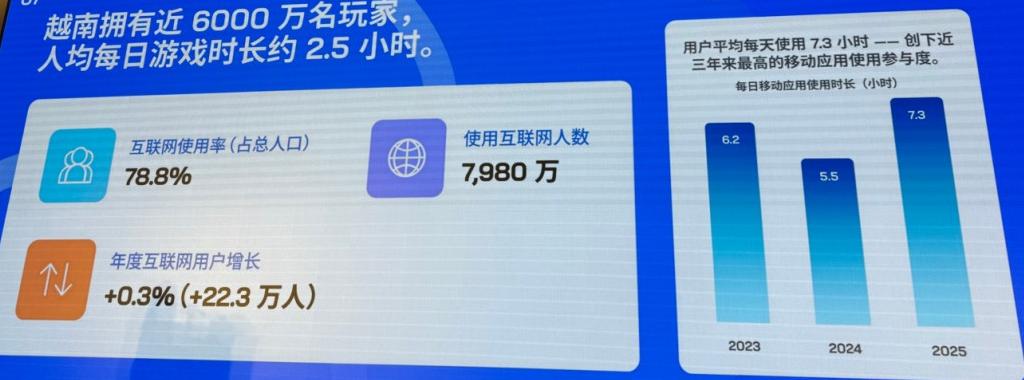
Vietnam is a standout in economic growth among ASEAN countries, with its GDP growth rate leading the region. Its actual GDP in 2023 was approximately $476 billion. The potential in the gaming sector is particularly notable: the national population is close to 100 million, with about half aged between 20 and 30, forming a vast and active player base. The number of internet users has reached 79.8 million, with significant depth in mobile usage—users average over 7 hours on their phones daily and more than 2 hours playing games.
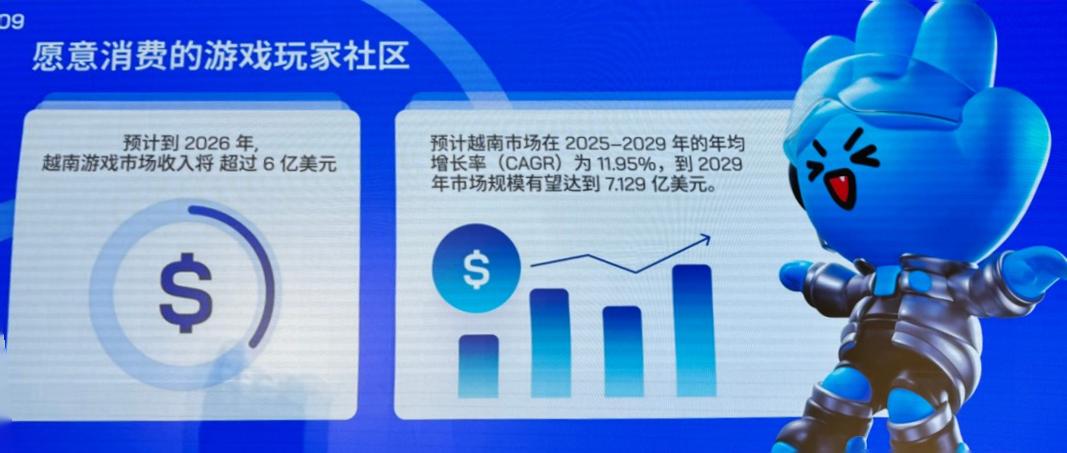
In terms of market revenue, Vietnam’s game market size is projected to reach $400 million in 2025 and is expected to exceed $600 million in 2026, with an estimated average annual growth rate of 11% from 2025 to 2029. Notably, Vietnam consistently ranks among the top five globally in game downloads, with total downloads reaching 9.6 billion in 2024, of which a striking 76% of products originated from China, highlighting the profound influence of Chinese games in the local market. From PC-era titles like JX Online 3 and Zhu Xian to various mobile games in recent years, Chinese products have established a solid user foundation.
Market Structure: Mid-Core and Hardcore Segments Rely on Imports, Local Strength Rises in Casual Sector
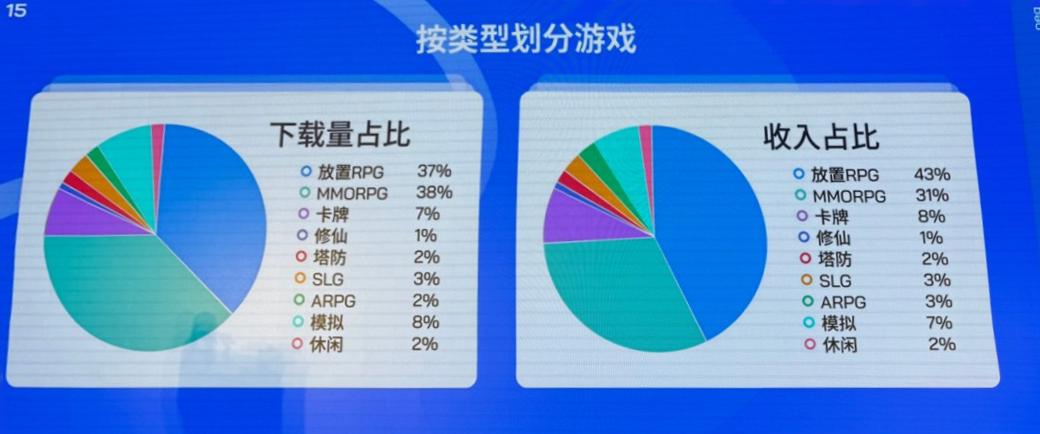
Currently, the mid-core and hardcore game market in Vietnam is still dominated by Chinese products, especially in mainstream genres like idle RPGs, ARPGs, and card games, as well as themes such as wuxia, xianxia, and Three Kingdoms, where Chinese games hold a clear advantage. Meanwhile, Vietnamese local developers have excelled in the hyper-casual game sector, with some companies achieving rapid global growth through self-developed products. The game industry is positioned as an important cultural industry in Vietnam, receiving increased government support. Professional exhibitions and esports events (such as NSOC) are becoming more frequent, and the ecosystem is gradually maturing.
Core Challenges: Tightening Licensing System, Payment and Cultural Adaptation Are Key
Foreign companies intending to enter the Vietnamese market must squarely address its unique regulatory and market environment:
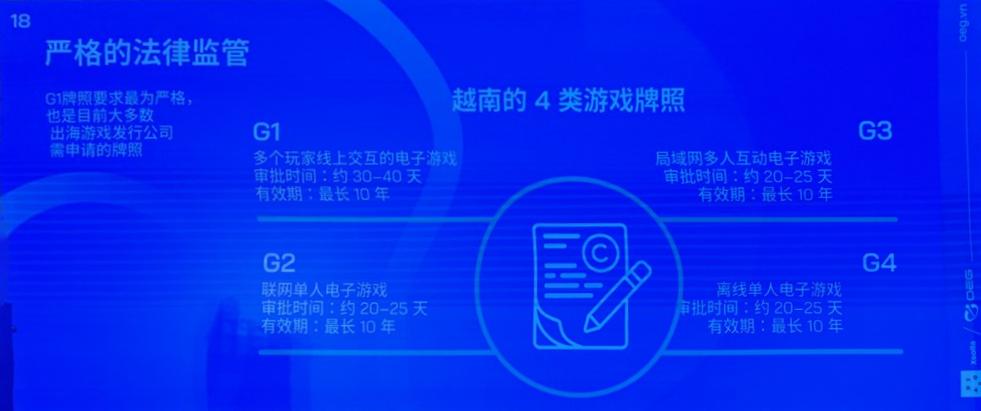
Game License Approval System: Vietnam is one of the few countries globally that implements a game license system. Its framework is similar to China’s but operates in the opposite direction. Licenses are categorized from G1 to G4, with G1 being the strictest, applicable to multiplayer online interactive games, taking approximately 30 to 40 days for approval. G2 to G4 are for casual, single-player, and similar products, with a relatively simpler process taking 20 to 25 days. Licenses are valid for ten years. Since 2024, regulation has noticeably tightened, and games without licenses have been forcibly removed from major app stores.
Updates to Supporting Regulations: Decree No. 147/2024, effective at the end of 2024, imposes stricter localization requirements on operating entities and fund flow paths. The Personal Data Protection Law, effective in the first half of 2025, presents new compliance challenges for data processing in all games.
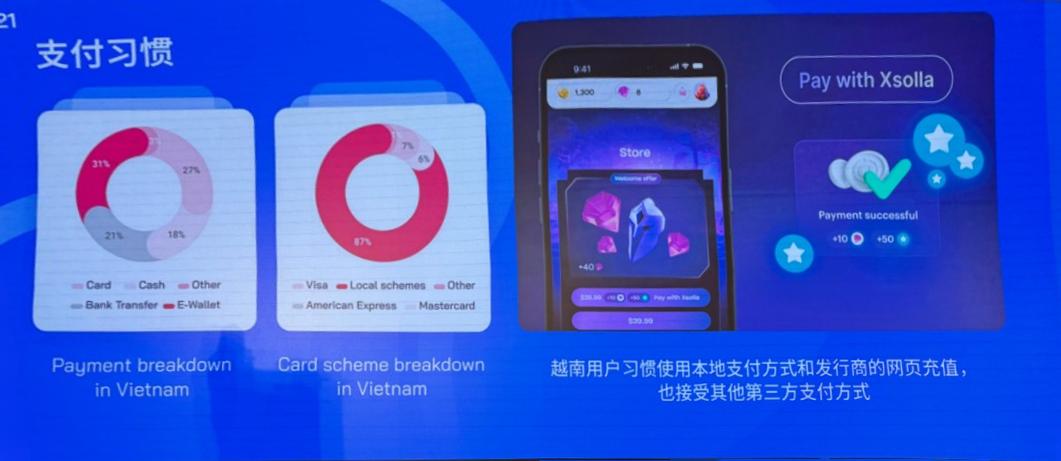
Unique Payment Habits: Vietnamese players heavily rely on third-party top-up channels (game cards, e-wallets, etc.). In successful products, third-party payments can account for as much as 70-80%. This places specific demands on manufacturers regarding payment channel integration and fund settlement efficiency.
Need for Deep Localization: Beyond language translation, integrating local cultural elements into game content, voice-overs, customer service, and operational activities (such as incorporating local festivals) is key to improving user acceptance and long-term retention.
Publishing Advice: Choosing a Qualified Partner for End-to-End Localization
Addressing these challenges, Sally Nguyen offered professional advice and partnership pathways for companies looking to enter the Vietnamese market:
Choosing a Cooperation Model: Developers can opt for a full publishing partnership with a local publisher, where the publisher handles marketing, operations, and compliance. For companies that self-develop and self-publish, a joint publishing model can be chosen, with a local partner assisting in resolving localization challenges such as license applications, legal compliance, and customer support.
Value of End-to-End Services: A qualified local publisher should provide comprehensive services including license application, content localization, organization of offline events and esports tournaments, community building and management, integration of payment solutions, and market consultation. For example, OEG utilizes its chain of internet cafes and management software in Vietnam (covering about 7,000 cafes) for offline promotion and possesses mature community and esports resources.
Conclusion
The Vietnamese game market offers broad prospects, but opportunities coexist with challenges. For Chinese companies, while cultural proximity and an existing market base are advantageous, the key to success lies in taking core aspects such as license compliance, payment localization, and deep cultural adaptation seriously and addressing them appropriately. Choosing a partner with complete localization capabilities and resources will be a strategic choice for efficiently and steadily developing this billion-user emerging market.
熱門頭條新聞
- Evolution of Game Monetization Maps Global Investment Trends;
- Human Fall Flat Celebrates 10 Year Anniversary Alongside 60 Million Players
- Amazon MGM Studios Unveils Full ‘Warhammer 40,000’ Animated Series Project, Led by Henry Cavill & Blur Studios
- AEVI Releases 2025 Spanish Video Game Report
- The Stone Age Survival Game That Actually Has Color Is Leaving Early Access August 25
- Tiny Teams Festival Returns This August to Celebrate Micro Studios with Massive Ideas
- Two Flagship Industry Reports Unveil Critical Mobile Game Growth Barriers & Winning Strategies for 2026
- London Emerges as Europe’s Undisputed Mobile Gaming Powerhouse