PlayStation Ends Partnership With Kojima Productions on PHYSINT, Multi-Faceted Business Impacts for Sony
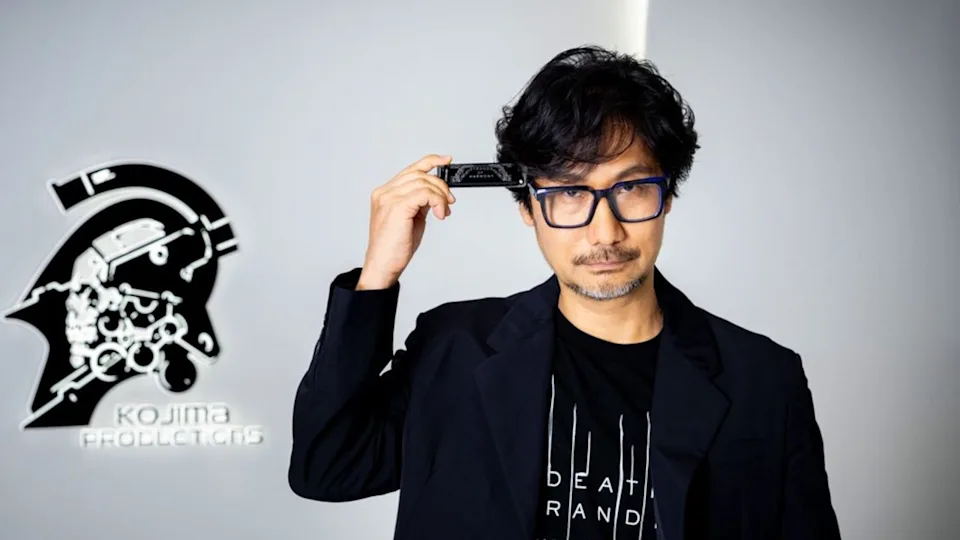
On September 10, 2026, Sony Interactive Entertainment’s PlayStation division issued an official statement confirming it had made a considered strategic decision to step away from co-development and publishing cooperation with Kojima Productions for the espionage-action blockbuster project PHYSINT. Both parties noted they retain mutual professional respect within the industry. Shortly afterwards, Kojima Productions confirmed development of PHYSINT will continue, with Microsoft Xbox stepping in as the new publishing partner. The deal also covers film and television adaptation rights for both PHYSINT and the horror title OD. Xbox intends to release these works across both console and PC platforms.
According to Bloomberg reports citing anonymous sources close to the project, Sony’s withdrawal resulted from a confluence of commercial risks. The project repeatedly missed internal development milestones. Though still years away from prospective launch, it already faced meaningful risk of budget over-runs. Kojima Productions’ two prior PlayStation-published titles, Death Stranding and Death Stranding 2: On the Beach, earned strong critical acclaim yet failed to hit PlayStation’s internal revenue targets. In addition, full intellectual-property ownership of PHYSINT remains with Kojima Productions; the title would only deliver timed console exclusivity and was highly likely to launch on PC and other platforms in the future. Internally, Sony had adopted a new policy against porting first-party single-player games to PC, meaning Sony would not capture downstream cross-platform revenue from PHYSINT. The projected hundreds-of-millions-dollar investment therefore carried major uncertainty around return-on-investment.
Important disclaimer: Details regarding exact budget figures, revenue shortfalls and exclusivity constraints are derived from anonymous industry sources. Neither Sony nor Kojima Productions has officially confirmed these claims. Their public statements only acknowledge a mutually-respectful separation without disclosing granular underlying causes.
Background
Hideo Kojima positioned PHYSINT as a spiritual successor to the Metal Gear Solid franchise: a large-budget single-player espionage-stealth title relying heavily on real-actor motion capture. Originally unveiled as a major second-party PlayStation collaboration, the project was widely viewed as a marquee exclusive candidate for the PS6 hardware generation, expected to help drive console hardware adoption.
Kojima Productions retains full ownership of its IP portfolio. Prior Death Stranding releases operated under a timed-PlayStation-console-exclusivity model before later launching on PC. During 2026, PlayStation underwent a notable strategic shift: it decided to stop porting its internal first-party single-player games to PC, placing heavier strategic weight on permanent console exclusives to stimulate hardware sales. Compounding this shift, high-profile missteps such as the costly shutdown of live-service shooter Concord pushed PlayStation leadership to tighten gate-keeping for long-cycle, high-budget projects, enforcing stricter reviews for development milestones and projected financial returns.
Multi–Layered Business Impacts for Sony PlayStation
1. Content & Product Portfolio: Loss of Key Next–Generation Pipeline, PS6 Exclusive Lineup Comes Under Pressure
- Loss of a high–profile potential flagship IP for the PS6 cycle: PHYSINT was regarded across the industry as one of the most anticipated second-party AAA projects targeting Sony’s next console generation, carrying substantial brand weight thanks to creator Hideo Kojima. Following the split, Xbox takes over primary publishing control. Sony directly loses priority console access to the title, materially weakening PlayStation’s pool of planned exclusive content for the PS6 launch and early lifecycle.
- Second–party cooperation model faces structural revision: This rift exposes tensions inside Sony’s second-party framework: Sony supplies most development capital, while external studios retain full IP ownership and only grant timed exclusivity. Under Sony’s new strategic preference for permanent exclusivity, negotiating large-scale partnerships with celebrated independent creator studios will become materially harder, raising barriers to securing premium external creative talent.
- Broader portfolio contraction: PHYSINT becomes another high-profile cancelled project, following the axing of The Last of Us Onlineand the collapse of Concord. The decision signals declining internal tolerance for open-ended, high-risk single-player AAA ventures. Going forward, resource allocation will likely tilt toward proven sequels, live-service titles with more predictable returns, while brand-new original IP will face steeper investment hurdles.
2. Financial & Investment Consequences: Avoiding Downside Risk While Accepting Material Opportunity Cost
- Near–term mitigation of potential large–scale losses: Pulling away at an early-development stage insulates Sony from multi-year future capital outlays on a project with runaway-budget risk. This aligns with broader group-level priorities to lift profit margins. Sony simultaneously confronts hardware cost inflation driven by AI-related component shortages plus public backlash over its planned end-of-physical-discs strategy for 2028, creating pressure to contain high-risk discretionary spending.
- Substantial opportunity cost: While downside losses are avoided, Sony also forfeits all upside revenue potential should PHYSINT become a commercial hit. Worse, that upside now accrues to direct competitor Xbox, creating counter-competitive pressure for PlayStation.
- Ripple effects on second–party project risk–pricing: Investors and industry analysts will reassess risk profiles for PlayStation second-party deals. Independent studios seeking major Sony funding for large projects will face stricter conditions around budgets, delivery milestones and exclusivity durations.
3. Brand Reputation & Developer–Ecosystem Impacts: Dual Positive–and–Negative Market Signals
- Reputational risk with creative communities: Hideo Kojima represents an iconic creative figure with PlayStation heritage stretching back to the original PlayStation era and the Metal Gear Solid Together with prior project cancellations, this split risks feeding a narrative among fans and creators that PlayStation is becoming less tolerant toward risky, original creative visions, softening its appeal for independent A-list creator-led studios.
- Positive governance signal for capital markets: Coming immediately after the Concordfinancial fiasco, the early termination also demonstrates investor-friendly financial discipline, proving PlayStation leadership is willing to stop-loss on troubled ventures, helping soothe market anxieties around unprofitable game-division spending.
- Clear signal sent to the broader developer ecosystem: The industry now understands PlayStation’s current bias toward projects capable of permanent console exclusivity. Large-budget long-cycle proposals offering only timed exclusivity while keeping IP in outside hands will face far more conservative funding evaluations.
4. Competitive Console–Market Dynamics: Direct Competitive Windfall for Xbox, Intensifying Competition in Japan
- Transfer of marquee creative talent to a rival platform: Microsoft Xbox secures both PHYSINT and OD, plus associated film-and-television rights. Hideo Kojima carries exceptional cultural cachet inside Japan, a market historically difficult for Xbox to penetrate. This partnership represents a major strategic play for Xbox to bolster its Japanese AAA content lineup and win over local audiences, eroding PlayStation’s long-standing advantage with top-tier Japanese creators.
- Widening divergence between platform strategies: Sony’s current playbook prioritises single-player games locked primarily to consoles, reducing PC porting to maximise hardware sales. By contrast, Xbox maintains its policy of simultaneous console-and-PC releases for first-party content while aggressively expanding game-to-film-television derivative IP. The transfer of PHYSINT stands as a high-profile case-study of these clashing strategic models. Competition to sign star independent creators will continue to escalate across the console space.
5. Longer–Term Strategic Takeaway: Unresolved Internal Contradiction Inside PlayStation’s Exclusivity Strategy
This episode lays bare a core strategic tension for Sony: PlayStation must deliver buzz-worthy exclusive AAA experiences to sell consoles, yet at the same time finance departments are increasingly unwilling to accept the inherent risks of long-cycle original AAA production — including budget creep, delays, and the inability to secure permanent exclusivity. Moving forward, PlayStation will need to strike a new balance between its hardware-growth ambitions and its financial risk-appetite; failure to resolve this tension risks sustained leakage of high-value external creative opportunities.
Key Industry Caveats & Uncertainties
- PHYSINT remains in early-stage development. Its eventual quality and commercial performance are unproven. Sony’s exit does not guarantee commercial success for Xbox, which now assumes all over-run and scheduling risks for the project.
- Public official disclosures remain limited. Alleged budget sizes and exact Death Strandingfinancial metrics originate from anonymous sources and have not been corroborated by either company.
- Public communications from both firms remain cordial. Smaller-scale future collaborations between Kojima Productions and PlayStation are not formally ruled out.
Industry analysts observe that this high-profile separation is not merely a budget dispute, but a landmark collision of multiple industry forces: runaway AAA production costs, divergent platform-level corporate strategies, and negotiations over IP ownership rights. For Sony, the decision delivers near-term financial risk reduction, yet carries meaningful opportunity-cost penalties across content pipeline strength, brand perception and competitive positioning. The market will closely monitor how PlayStation builds its PS6-era exclusive game roster in the aftermath.
熱門頭條新聞
- BlizzCon 2026 Unveils Diablo V and New StarCraft Open-World Shooter; Early Announcement Sparks Industry-Wide Discussion
- Ubisoft Conducts Major Steam-Launch Experience Test, Exploring Removal of Mandatory Full Ubisoft Connect Desktop Client
- PlayStation Ends Partnership With Kojima Productions on PHYSINT, Multi-Faceted Business Impacts for Sony
- Legendary Illustrator Akemi Takada’s Solo Exhibition -Angel Touch- Lands in Taipei, October 3 – November 1; Artist Profile, Exhibition Info & On-Site Activities
- New AI, New Computing — The 7th AI Computing Conference (AICC2026) Grandly Opens in Beijing
- Germany’s Federal Game Development Funding Programme Allocates €267 Million Over Seven Years, Reshaping Domestic Gaming Industry Competitiveness
- PIF-Backed Merger Proposal Between EA and Savvy Games Could Reshape Global Gaming, With Far-Reaching Impacts on Both Parties’ Businesses
- Farming Camp Demo Expands to PS5, Xbox, Switch & Microsoft Store