Unity Unveils Cross-Engine PolySpatial Integration for Fortnite & Next-Gen Unity 7 at Unite Seoul 2026
Historic Unity-Epic collaboration lets Unity-native experiences run natively inside Unreal Engine and Fortnite ecosystem; Unity 7 brings CoreCLR, faster builds and AI developer tooling
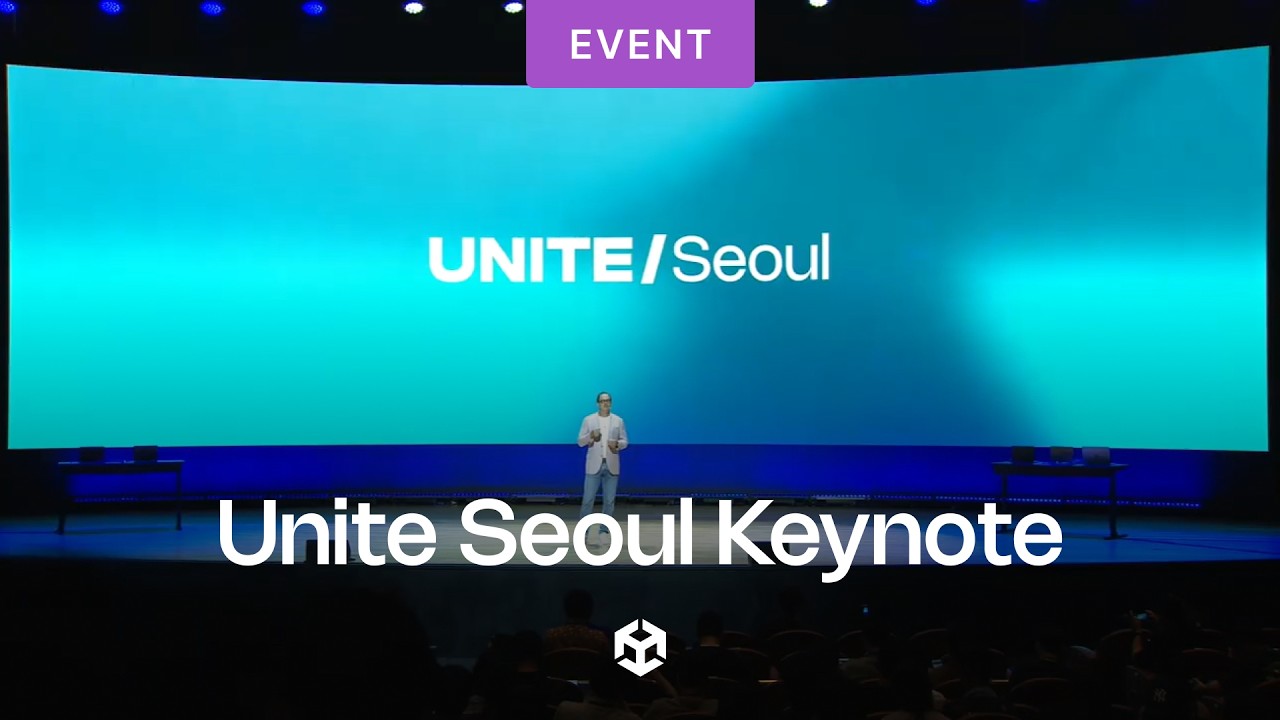
Unity Technologies delivered two landmark industry announcements during the keynote of Unite Seoul 2026, unveiling real-time cross-engine interoperability with Epic Games’ Unreal Engine and Fortnite, alongside the full roadmap for Unity 7, its next-generation all-in-one real-time development platform.
Building on the 2025 strategic partnership between Unity and Epic Games, Unity demonstrated the breakthrough PolySpatial protocol, a client-server synchronization framework that enables full separation of simulation and rendering workloads. In a live technical demo using the official Fantasy Kingdom sample project, all game logic, physics simulation and scene state ran within Unity, while Unreal Engine handled native real-time rendering, lighting and Fortnite-native avatar assets. Core game systems including physical collision, global illumination, player input and multiplayer logic are fully synchronized across the two engines via PolySpatial, eliminating video streaming limitations and delivering seamless cross-engine interactive gameplay.
Epic Games CEO Tim Sweeney voiced strong endorsement of the technical milestone, stating his core vision to “Connect ALL the engines” and unlock an interconnected open gaming ecosystem. The integration will grant Unity developers direct access to Fortnite’s global creator economy, which boasts over 500 million registered players worldwide. Early access to the Unity-for-Fortnite publishing pipeline is scheduled to launch in 2027; independent and studio teams may submit interest forms now to join the priority testing waitlist.
Parallel to the cross-engine news, Unity laid out the complete development timeline for Unity 7, built atop a modernized CoreCLR runtime foundation with native support for .NET 10 and C# 14. Key performance upgrades include shader build acceleration up to 90%, near-instant Play Mode iteration, dynamic partial code reloading and on-device live code editing to slash developer wait times. The engine upgrade maintains full backward compatibility with Unity 6 workflows, requiring no major project rewrites or language overhauls. Unity 7 Beta will roll out in December 2026, with the official full release targeted for Q1 2027.
Additional platform and monetization expansions were detailed during the keynote: Unity’s IAP SDK 5.4 now ships built-in direct-to-consumer (D2C) commerce tools, including a no-code brand store builder and unified payment routing compatible with third-party payment providers. Unity also expanded cross-ecosystem support for its commercialization stack, extending IAP and analytics compatibility to third-party engine environments including Unreal Engine and UEFN (Unreal Editor for Fortnite) creators.
Matt Bromberg, President and CEO of Unity Technologies, shared his outlook on the announcements onstage in Seoul: “Today we are rewriting the rules for real-time creation. Unity 7 reimagines our engine to empower every creator, from solo indie teams to large studios, to iterate faster and leverage AI as a collaborative tool. Our collaboration with Epic and the PolySpatial protocol breaks down historic silos between game engines, opening the world’s largest creator audience to Unity developers without forcing teams to rebuild their projects from scratch. The future belongs to creators who can freely adapt technology to realize their vision.”
The Unite Seoul 2026 keynote also showcased complementary upgrades spanning 2D tooling, real-time global illumination, XR hardware support for Meta Quest and XREAL AURA, browser-based multi-user collaborative Studio workflows, and free public access to Unity CLI and MCP servers for automated pipeline management.
About Unity Technologies
Unity is the world’s leading real-time 3D development platform, delivering tools and services for game creators, digital artists, industrial designers and immersive content developers across mobile, PC, console, XR and web platforms. Powering over 70% of the top 1,000 highest-grossing mobile games globally, Unity provides end-to-end solutions covering creation, rendering, monetization, cross-platform publishing and AI-assisted development workflows.
Media Contact
Corporate Communications, Unity Technologies Email: pr@unity.com Website: unity.com/cn/blog/unite-seoul-keynote-2026-recap
熱門頭條新聞
- Registration Opens for NVIDIA China Developer Day 2026 — A Premier Off line Tech Gathering for AI Developers in Suzhou
- Giving Back To The Industry: Nova Games Foundation Officially Launches To Empower Next Generation Game Creators
- Cozy Narrative-Driven Adventure Cat Secretary Launches on November 4th!
- Overwatch Rush Begins Soft-Launch in Southeast Asia, Blizzard Explores New Global Path for IP based Mobile Games
- GungHo to Shut Down Disney Pixel RPG on September 30, 2026
- Decorado: Alberto Vázquez on the Journey from Animated Short-film to Feature-length Animation
- CICF×AGF Guangzhou Anime-Game Festival: Greater Bay Area ACG Grand Event Lights Up National-Day Holiday
- Merge Mobile Game Sector Outlook 2026: Merge-2 Drives Robust Growth Amid Opportunities & Challenges