Nintendo Moves to Dismiss Tariff-Driven Switch Price Class Action
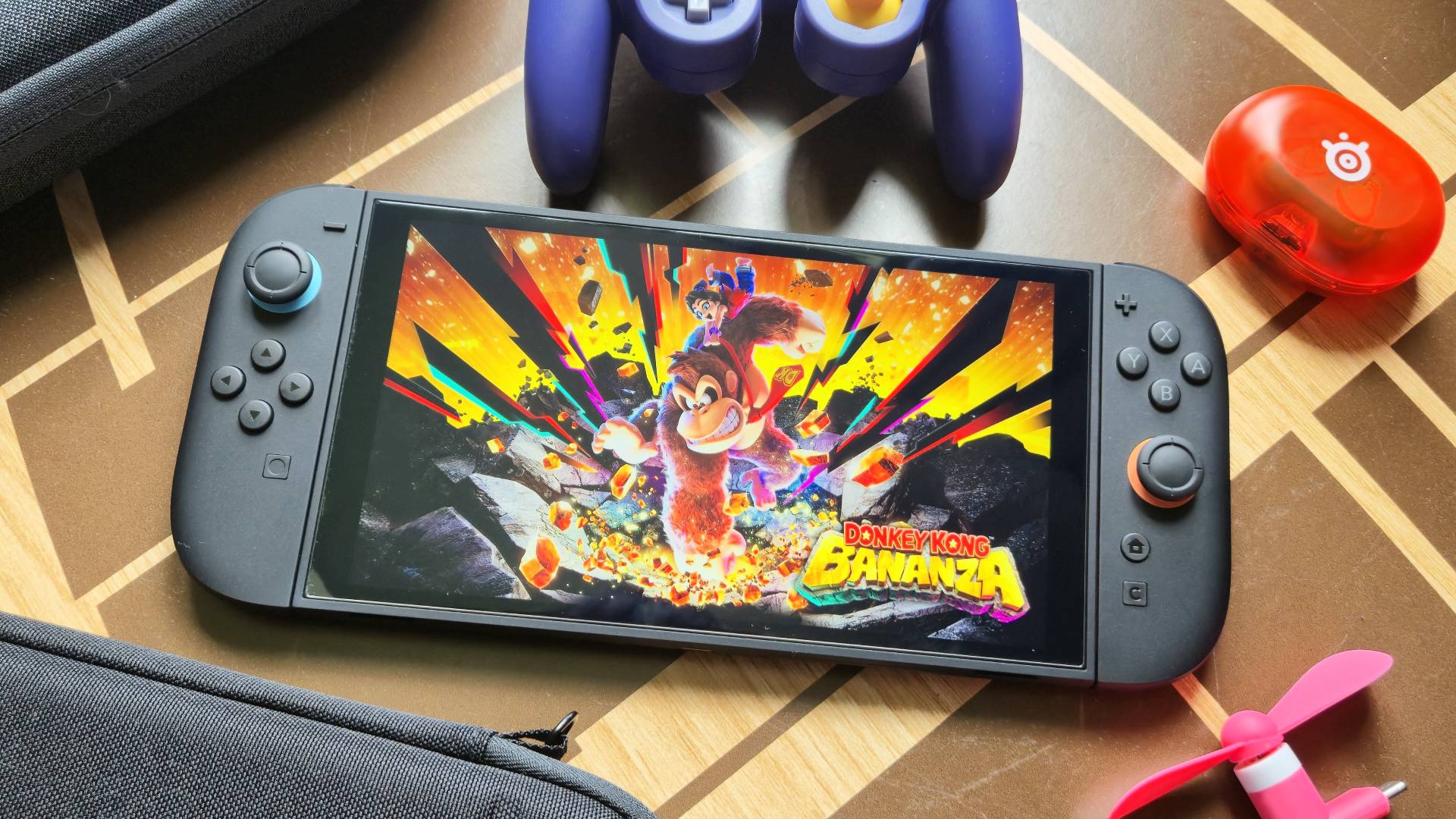
On July 21, 2026, Nintendo filed a legal motion with U.S. federal court seeking full dismissal of a consumer class action lawsuit. The dispute stems from Nintendo’s widespread price hikes across its Switch hardware and accessories, triggered by U.S. import tariffs on Chinese-manufactured gaming components. Plaintiffs allege Nintendo stands to double-recover tariff costs — passing surcharges to buyers while pursuing full tariff reimbursements from the federal government — and demand full restitution for overcharged customers, a claim Nintendo firmly rejects in its court filing.
Full Timeline of Tariff, Pricing & Legal Disputes
- S. Tariff Rules Raise Hardware Production Costs The U.S. administration imposed steep import tariffs on electronics under the International Emergency Economic Powers Act (IEEPA). The majority of internal console components are manufactured in China, sending Nintendo’s supply expenses sharply higher. In 2025, the brand first raised prices for all Switch 2 peripherals, followed by broad price increases for original Switch hardware ranging from $30 to $50 per unit.
- Nintendo Sues U.S. Federal Government for Tariff Refunds In March 2026, Nintendo joined over 1,000 affected enterprises to file litigation against the U.S. government, arguing the tariffs were unlawfully enacted. The company demanded full repayment of all tariff payments plus statutory interest.
- Consumers Launch Class Action Alleging Double Financial Recovery Two individual plaintiffs filed a class action suit in April 2026 on behalf of millions of customers who purchased Nintendo products during the tariff price hike window. The core complaint states Nintendo would recoup the same tariff expenses twice: once via higher retail prices charged to gamers, and again through government refunds with interest. The suit seeks monetary restitution, declaratory relief and injunctions for all impacted consumers.
Four Core Legal Arguments From Nintendo’s Court Filing
Nintendo laid out comprehensive reasoning to dismiss the lawsuit and deny all customer rebate demands:
- Consumers Received Full Agreed Value for Voluntary Purchases All price-increased hardware was sold at clearly listed retail rates. Nintendo emphasized customers “received exactly what they bargained and paid for” upon checkout. Commercial transactions are final once completed; subsequent changes to tariff legislation do not create a legal obligation for retroactive price adjustments or refunds, which is inconsistent with standard commercial practice.
- Consumers Had Full Choice To Avoid Higher-Priced Hardware The filing states gamers bore no obligation to purchase Nintendo devices at elevated prices. Shoppers could opt out entirely or select competing consoles from Xbox, PlayStation and other manufacturers. Voluntarily completing a purchase constitutes acceptance of the listed price, eliminating any post-hoc claim for rebates.
- Price Hikes Were Not Solely Tariff-Driven; Nintendo Absorbed Partial Tariff Costs Nintendo denied every price increase directly matched its tariff outlay, stating it only implemented modest, selective retail adjustments rather than blanket tariff surcharges. The brand confirmed it personally covered tariff expenses for its flagship Switch 2 console in 2025 without full price pass-through to buyers. Furthermore, rising memory chip costs, global labor inflation and international shipping fees collectively pushed hardware prices upward. There is no feasible method to isolate the exact dollar amount attributable solely to tariffs, making targeted customer refunds unworkable.
- All Disputes Must Be Resolved Via Private Arbitration, Not Class Action Court The company raised a procedural defense pointing to mandatory arbitration clauses embedded within its end-user purchase agreements. Nintendo requested the case be transferred to private arbitration if the court declines to fully dismiss the class action filing.
Broader Industry-Wide Hardware Pricing Pressures
Nintendo is far from the only gaming hardware manufacturer forced to raise retail prices amid global supply chain and tariff headwinds:
- Microsoft has rolled out three separate Xbox console price hikes since 2025;
- Sony lifted global PS5 pricing in March 2026, citing widespread macroeconomic industry strain;
- Valve engineers publicly warned the global RAM shortage crisis continues to worsen, driving up costs for premium handheld gaming hardware. Escalating memory chip, logistics and labor expenses are universal cost drivers across the entire video game hardware sector.
Industry Community Reaction & Legal Outlook
The legal conflict sparked heated debate across Reddit gaming forums and mainstream gaming media outlets. A large portion of players accuse Nintendo of profiting twice from tariff policy shifts, arguing government reimbursements should be passed back to consumers. Counterarguments maintain tariffs represent broad public policy changes, and market-based retail pricing creates no legal requirement for post-sale customer compensation.
No court ruling has yet been issued on Nintendo’s motion to dismiss. This case will set a landmark legal precedent governing who bears financial responsibility for U.S. import tariffs within the video game hardware industry, reshaping both manufacturer pricing strategies and consumer legal recourse moving forward.
Hot News
- Registration Opens for NVIDIA China Developer Day 2026 — A Premier Off line Tech Gathering for AI Developers in Suzhou
- Giving Back To The Industry: Nova Games Foundation Officially Launches To Empower Next Generation Game Creators
- Cozy Narrative-Driven Adventure Cat Secretary Launches on November 4th!
- Overwatch Rush Begins Soft-Launch in Southeast Asia, Blizzard Explores New Global Path for IP based Mobile Games
- GungHo to Shut Down Disney Pixel RPG on September 30, 2026
- Decorado: Alberto Vázquez on the Journey from Animated Short-film to Feature-length Animation
- CICF×AGF Guangzhou Anime-Game Festival: Greater Bay Area ACG Grand Event Lights Up National-Day Holiday
- Merge Mobile Game Sector Outlook 2026: Merge-2 Drives Robust Growth Amid Opportunities & Challenges